

In Summary
- Apple recently released a short video, I’m not Remarkable, that revolves around how students use accessibility features on Apple’s devices.
- The video has been directed by Kim Gehrig, the person behind the highly acclaimed and award-winning “The Greatest” short film, which also revolved around accessibility features on Apple devices.
- The 170-second video reminds us not only of the importance of accessibility in the lives of students, but in all our lives, and why it should be an integral part of all tech, not just Apple’s.
At Apple, accessibility is a core value.
Those seven words would have sounded like something from the CSR cliche kingdom of any other brand, right alongside the likes of “people are our biggest assets,” and so on. Apple has, however, walked its accessibility talk time and time again. The brand has not only done a fair bit to make its products more accessible to all, but unlike many others, has never been shy of talking about it. On World Disability Day (December 3), it did so one more time. And instead of making accessibility look like a special feature for a specific group of people, this time it presented accessibility as a part of everyday life.
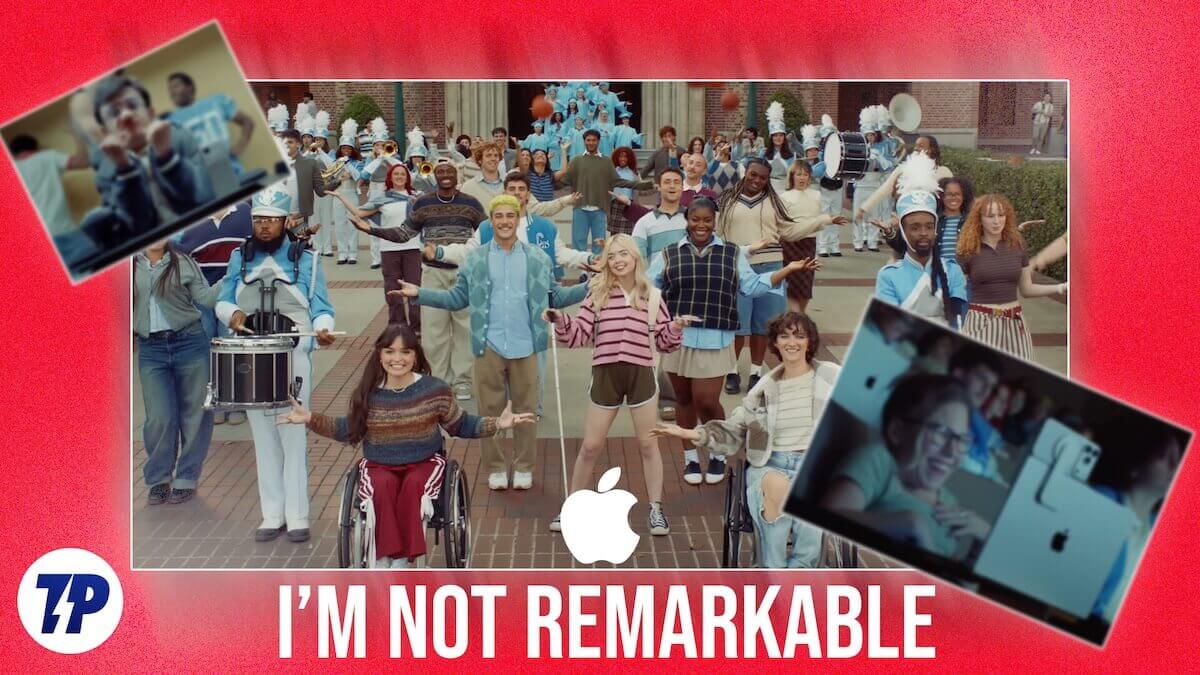
I’m not Remarkable, I’m just a student – Making accessibility a part of student life
As most of its competitors add telephoto attachments to phone cameras, parade AI tools, and place additional folds in foldables, the Cupertino giant once more reminded the world how its devices are not just geek wizardry but make a difference to the lives of the differently abled. Apple’s new 170-second film, I’m not Remarkable, shows how a number of differently abled students get through life on the campus, with a little help from their Apple devices.
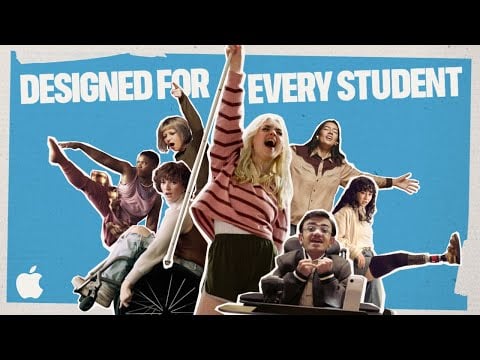
Directed by Kim Gehrig, the person who gave us the astounding “The Greatest” short film, I’m not Remarkable is remarkable (pun intended) for its markedly colorful and upbeat presentation. Films and ads on the subject of accessibility tend to have an element of the serious and the somber about them (remember The Lost Voice and The Relay, but not this film. Instead, I’m not Remarkable shows typical students going about college life in the way that most students do. Yes, some of them are differently abled, but they are still students, doing student-y things in a student-ish manner – noisy, colorful, moody and all.
The ad shows students singing the song I’m not Remarkable by Kittyy & The Class, and the lyrics drive home the message that the differently abled just need to be seen as normal, everyday people rather than people to be admired or looked up to. They are bright, bubbly, hard-working, and full of life, and just like other students out there, they study, dance, hang out, play sports, sing, play instruments, and do things that students do, as they traverse the studentverse of classes, parties, sports practice, projects, house parties, and all:
Don’t wanna be admired,
I am not your inspiration,
If you want to be inspired,
There’s a library down the hall
Helping them are a range of Apple accessibility tools, like VoiceOver on iPhone, Braille Screen Input on iPhone, Magnifier on Mac, Assistive Touch on the Apple Watch and iPad, Live Captions on iPad, and more, all of which are shown without being prominently showcased in the film. Accessibility features are not shown as something special that will make your jaw drop in surprise, but as routine tools that are part of the everyday lives of people, people who are differently abled.
I’m not Remarkable does not have the dramatic, full-of-wonder appeal that The Greatest or Pass the Baton had, but it presents disability in a colourful and very youthful avatar, something that is rarely seen. Unlike in earlier films, where accessibility features were shown in a very prominent, empowering role, in I’m not Remarkable, these just blend into the lives of students. In fact, one is more likely to end up admiring the efforts of the truly remarkable students shown in the film, much more than the apps they use, as they sing:
On our way
We will discover
We are not the same
We are not the other…
Jobs would have approved
In fact, I’m Not Remarkable echoes the thoughts of Steve Jobs about technology. He might have talked of changing the world, presented the personal computer as a way of fighting the Orwellian establishment, and of putting a ding in the universe, but the Apple co-founder also knew what exactly technology was supposed to do – to influence life. And he believed it could do so without being revolutionary or path-breaking. In an interview with Wired in 1996, a surprisingly somber Jobs famously said:
I’m 40 years old, and this stuff (technology) doesn’t change the world…We’re born, we live for a brief instant, and we die. It’s been happening for a long time. Technology is not changing it much — if at all.
These technologies can make life easier, and can let us touch people we might not otherwise. You may have a child with a birth defect and be able to get in touch with other parents and support groups, get medical information, and access the latest experimental drugs.
These things can profoundly influence life. I’m not downplaying that. But it’s a disservice to constantly put things in this radical new light — that it’s going to change everything. Things don’t have to change the world to be important.
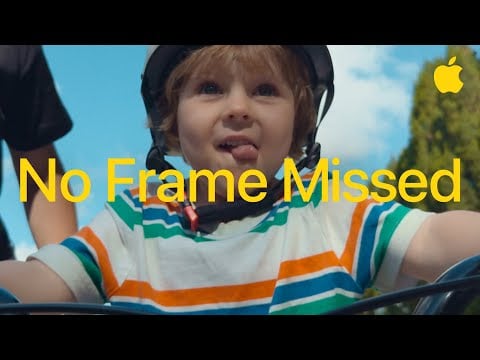
A dyslexic himself, Jobs is believed to have played a key role in making Apple products easier to use for the differently abled. As the brand likes to point out, it had an office of disability in 1985, five years before the Americans with Disabilities Act was passed. Four decades later, Apple remains one of the few tech brands to consistently talk about the impact its products have on the lives of the differently abled. Just a few months ago, it released the memorable “No Frame Missed” film, which showed how the iPhone could be used for photography even by those afflicted by Parkinson’s.
Accessibility: a core value of life, and not just tech
The importance of accessibility is highlighted in the final lines of I’m not Remarkable
There’s a life out there
That I refuse to miss.
I am only remarkable
Because everybody is,
The film reminds us of how accessibility options should not be seen as a special facility for a class of people. They are supposed to be part of everyday life. Every staircase needs to have a ramp alongside it, every phone needs to have voice-controlled access, every TV programme needs to have a sign language version for those who cannot hear, and much more. Accessibility should be as natural as the air we breathe, because all of us deserve to have equal access to most things in life.

That’s where the term “accessibility” comes from: it revolves around facilitating access. Yes, there is something wonderful about a gadget like an iPhone or an iPad helping the differently abled do things just like other people, but at the end of it all, it is just how things should be. Accessibility should not be a special feature, but a normal one. The differently abled need to lead lives just like everyone else, instead of being seen as special, inspirational figures – a point driven home by I’m not Remarkable.
Accessibility features do not revolutionise the tech world, bust benchmarks, or mark a new chapter in the human history of tech. They do something more important – they level out the gadget space, allowing even the differently abled to use devices just like “normal” people do. A lot of us tend to see technology being ‘democratised’ only when its prices come down, and it becomes affordable to a larger number of people. The fact, however, is that technology becomes just as much democratised when the differently abled are able to access it. It might not sound as dramatic as hyper-intelligent AI, crazy optical zooms, bendable displays, and insanely quick processors, but it is every bit as important, some might say even more so. Simply because, while they do not change the world, they make it more accessible to many.
As Jobs would have said, “Things don’t have to change the world to be important.”
Accessibility is remarkable. And for its work in that field, so is Apple. Perhaps its competitors could take some time off from imitating its products and also learn to highlight accessibility the way it does.
Accessibility needs to be a core value. Not just at Apple, but in all tech.

