

Quick Summary
The July 8 TechPP Daily Brief highlights Anthropic expanding Claude Fable 5 access and launching Claude Cowork on mobile, Google and Samsung confirming major launch events, Meta unveiling Muse AI models, Nothing launching Phone (4b), Netflix adding publisher content, and Google retiring Earth Pro in 2027.
Hi friends, welcome to TechPP Daily Brief, where we bring you the top tech news from the last 24 hours. Today, we have news about Anthropic extending Claude Fable 5 access to all paid plans till July 12 and launching Claude Cowork on mobile and web, currently only for Max subscribers. Both Google and Samsung have officially announced launch dates for their next generation of phones, Netflix is bringing another content library to its platform, Notion announced its new Notion Agents app, Nothing officially launched the Nothing Phone (4b) and Nothing Ear (3a), and much more.
As a reminder, we publish TechPP Daily Briefs every day. To stay updated with the latest tech trends, you can bookmark our TechPP Daily Brief page. With that in mind, let’s get started with today’s news.
Table of Contents
The Daily Brief: July 8, 2026
AI News
Anthropic Extends Claude Fable 5 Access for All Paid Plans Till July 12
We're extending access to Claude Fable 5 on all paid plans through July 12.
— Claude (@claudeai) July 7, 2026
Anthropic extends Claude Fable 5 access to all paid plans till July 12. Originally planned to end on July 7 for all paid plans, Anthropic now gives five more days to use it.
After that, users need to buy Claude Fable 5 usage limits to use the model. Like before, you can use up to 50% of your weekly limits on Claude Fable 5. If you already use Fable 5 extensively and are on a Claude paid plan, you have five more days to enjoy using it. Many people are also asking about the reset rate limits, which are likely to happen as a gift.
Claude Cowork Is Now Available on Mobile and Web
Claude Cowork is coming to mobile and web.
Hand Claude a task at your desk and pick up the finished work from your phone. Close the laptop and Claude keeps going.
Beta is rolling out over the next several weeks starting with the Max plan, with more plans to follow. pic.twitter.com/W4WrgN9TrG
— Claude (@claudeai) July 7, 2026
Anthropic is bringing Claude Cowork to mobile and web, starting July 7, 2026. It will initially roll out as beta access for Max subscribers, with other plans coming later.
Claude Cowork is a popular feature from Anthropic, where it lets you interact with your local files and act as your personal assistant to create tasks, apart from coding and other general answers. Claude Cowork is currently only available on the desktop apps of Mac and Windows, where it can also analyze and work with your local files with both read and write capabilities.
However, bringing Claude Cowork to Android, iOS, and the web doesn’t mean it can interact with your local files from those platforms. It can only act as a remote for your Claude Cowork tasks on the desktop, and also tasks that run solely on the cloud.
For instance, if you created any Claude Cowork task on your desktop, you can close your computer and use your mobile as a remote to continue the task.
Notion Announces Dedicated Notion Agents App
Meet the Notion Agents iOS app.
A voice note. A photo of a napkin sketch. A question at 11pm. All handled before you're back at your desk.
A team of agents, in your pocket. pic.twitter.com/yc4sra4tSE
— Notion (@NotionHQ) July 7, 2026
Yesterday in our Daily TechPP Brief, we reported that Notion is going to announce a new app, and Notion announced it today. This turns out to be a dedicated Notion Agents app, which is currently only available for iOS users. This isn’t different from the already existing Notion agents in the Notion app.
Notion has made a separate app to run AI agents and manage them through a chat interface, similar to other AI applications. Notion already supports Notion agents inside the main Notion app, where they can perform all Notion tasks, such as creating a new database, updating existing pages, and much more. It is one of the best AI implementations out there and a time saver for those who use Notion. However, if you are not on a Notion paid plan, the limits are pretty bad.
Moreover, Notion is limiting the current Notion Agents app to iOS itself. But having dedicated Notion agents can be useful if Notion adds exclusive features that aren’t found elsewhere.
Meta Announces Muse AI Image and Video Generation Models
Introducing Muse Image and Muse Video, the first media generation models developed by Meta Superintelligence Labs.
Muse Image is our most advanced image generation model yet. It follows instructions faithfully, edits with precision, composes from multiple references, and draws… pic.twitter.com/byNpQZO1RW
— AI at Meta (@AIatMeta) July 7, 2026
Meta has announced new Muse image generation and video generation models. The company has officially announced new Muse Video and Muse AI image generation models, which are currently available on Meta platforms, including WhatsApp.
As per the benchmarks shared by Meta itself, it even beats Google’s Gemini Nano model, including the Pro version, and sits just below ChatGPT’s image model.
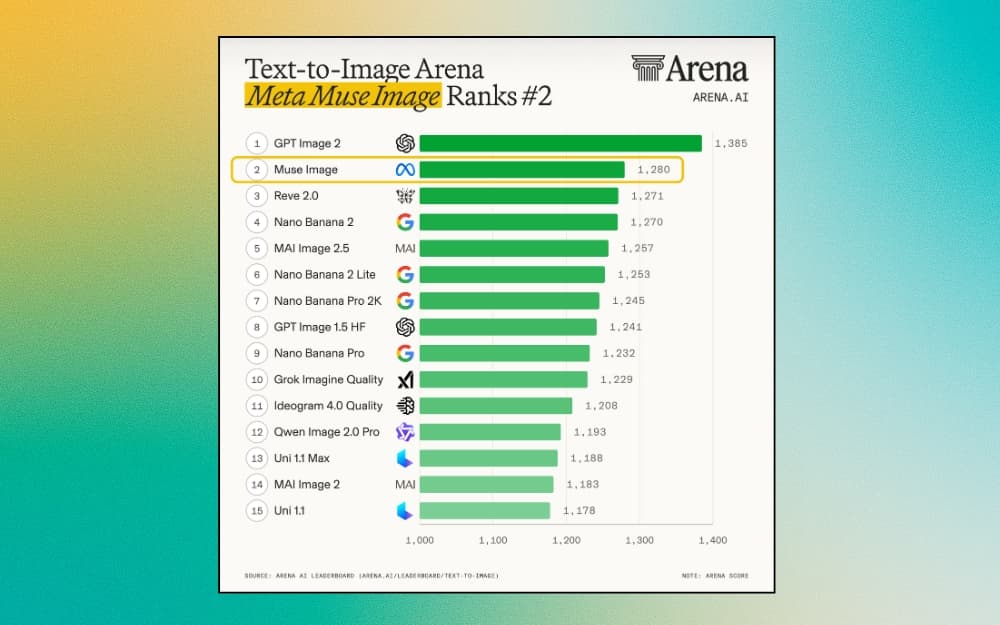
You can see all the benchmarks below. In the video generation model benchmarks, Meta Muse AI beats Sora and Google’s video models, sitting just below Seedance and Google’s new Omni. Currently, it ranks number three in the Arena Elo rankings.
Similar to other AI image models, Meta’s new Muse image model can create, edit, and combine multiple reference images. The best part is that it isn’t just a standalone text-to-prompt image generator. It is an agentic image generator, similar to a ChatGPT image model, where it can use tools, search the web, write code, and refine its own output. This means it can provide the most accurate details in the image as well as the latest information.
Meta already claims that Muse image generator can use websites to make images more accurate based on facts and current topics. Plus, using coding tools, it can also create detailed charts, posts, and QR codes.
Meta also shares more details about the Muse AI video generator model. Similar to other AI generation models, it also supports native audio, but Meta claims that they are still improving the audio-to-video sync, so we cannot expect better native audio quality from these videos yet.
Similar to other AI models, Meta is also adding a watermark to the AI-generated images created with the Muse image model. And again, the biggest privacy concern is that Meta says users can also mention an Instagram username to get personalized pictures, which uses the user’s public photos to build a visible identity and generate pictures.
Once again, Meta is openly using your public Instagram photos to train its AI models or even generate results for other users without your consent.
If you want to try the new image model, it is already live in the Meta app, the Meta AI website, Instagram stories in the US, and WhatsApp in limited countries. Meta says it is also coming soon to Facebook.
A Quick OpenAI News Update
A little while ago I shared this message with OpenAI on Slack:
Cherished friends, colleagues, members of the staff! I’m graduating this month.
There’s not a specific reason for me leaving, or a specific reason for why now. But it’s something I have been thinking of for a while…
— Joshua Achiam (@jachiam0) July 7, 2026
A quick OpenAI news update: another executive, OpenAI’s chief futurist Joshua Achiam, is leaving the company after nine years. He announced it on X. You can read his full statement below, or we can call it an exit note.
A little while ago, I shared this message with OpenAI on Slack:
Cherished friends, colleagues, members of the staff! I’m graduating this month.
There’s not a specific reason for me leaving, or a specific reason for why now. But it’s something I have been thinking of for a while and it feels right. The world is in on the secret now and it feels possible to work on the mission from outside the walls of a frontier lab.
I joined OpenAI in 2017 as a 25-year-old intern. Computers could not yet talk or think. I’m 34 now, with a family and a two-year-old son, and computers can solve frontier science problems. This was a decade where centuries happened.
The future of humanity depends on the choices we make together about AGI and superintelligence. Everything is at stake. But more importantly, everything is possible. We will soon be able to take shots on goal at the highest aspirations of our species.
I believe we can get to a world where “meeting everyone’s basic needs” is not just a solved problem, but where we feel offended the bar was ever set that low. I believe we can get to a world of peace, unprecedented prosperity, and unimaginable possibilities, social and scientific. Whatever I do next, I will continue to work with you on making this vision real.
If you were to go back nine years and tell me how it all turned out, I would be astonished to hear so much good news. Thank you for making it so special. Thank you for the privilege of working alongside you.
The task of reaching out to everyone to thank individually is daunting because of how long the list is. Fortunately I’ll have a few weeks to do it. My last day will be the 24th.
To safe AGI.
Smartphone News
Google Has Officially Announced the Launch Date for the Google Pixel 11 Series
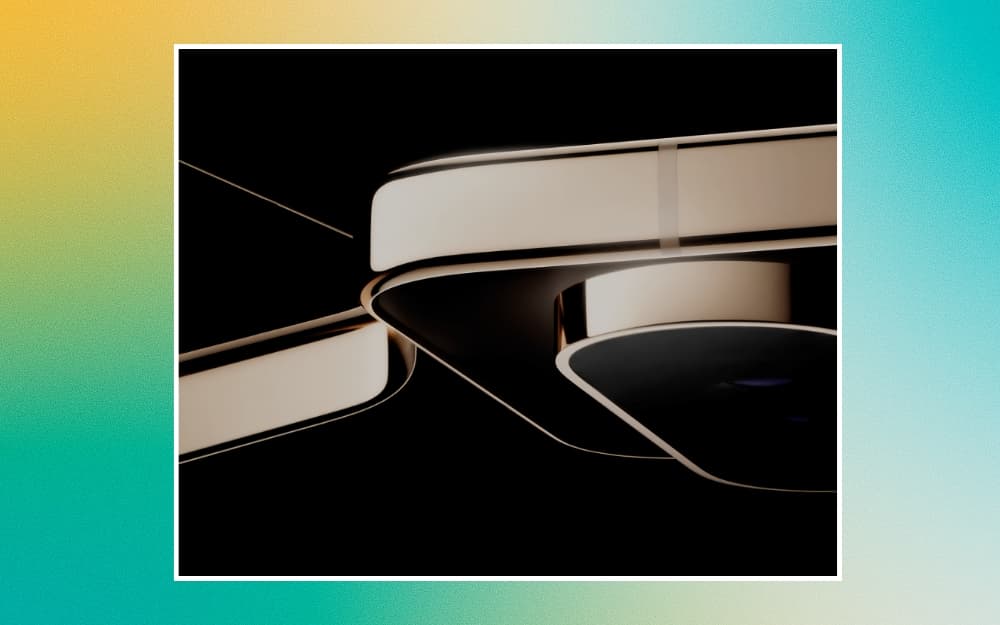
Google will hold the next Made by Google event on August 12, 2026, in New York City, the company officially confirms. Google is expected to launch the new Google Pixel 11 series at this event, including Pixel 11, Pixel 11 Pro, Pixel 11 Pro XL, and the new Pixel 11 Pro Fold.
We already have the CAD renders of the upcoming Google Pixel 11, which show smaller bezels and the same horizontal camera bar on the back. However, the invite shows a copper or gold color variant, which might be one of the color options for the Pixel 11 series.
We have plenty of details about the Pixel 11 series. The upcoming Google Pixel 11 Pro series will be slightly thinner than the Google Pixel 10 Pro. The Google Pixel 11 Pro Fold may also be thinner, featuring a redesigned camera bump on the rear. We can expect the Google Pixel Watch 5 to launch alongside the Google Pixel 11 series, along with other new AI hardware.
Yes, Google phones are known for their leaks, and users can even purchase them before the launch.
Google Pixel 11 Series Prices May Increase in Europe and the UK
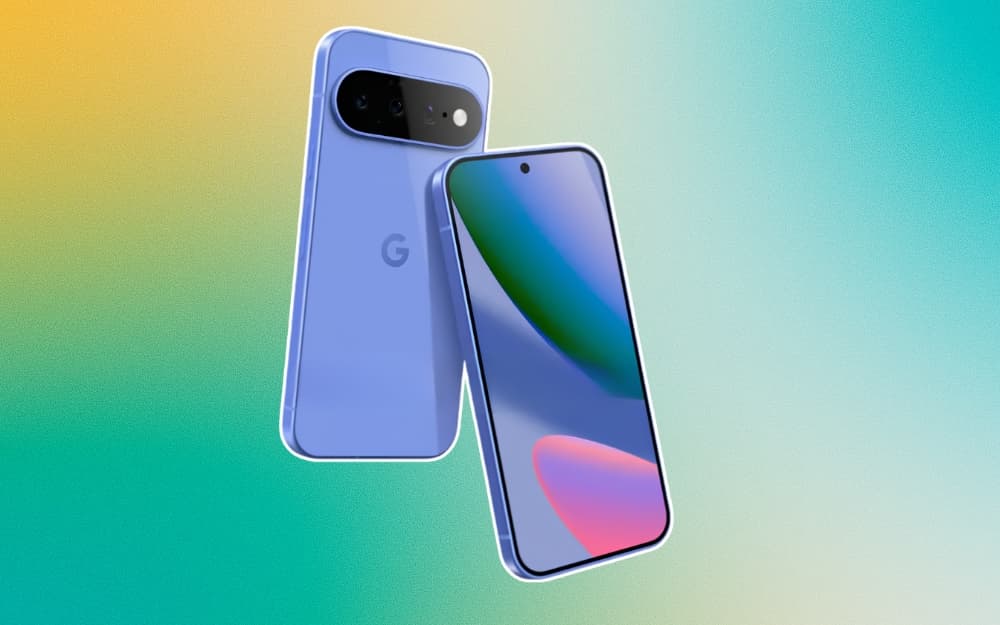
Google is officially going to announce the Google Pixel 11 series on August 12. Now we have more details about the smartphones. According to the report, Google will raise the Pixel 11 series prices in Europe and the UK, and it may remove the 128GB storage option from the entire Pixel 11 lineup.
This means the base variant may start at 256GB. Here is the latest starting price of the upcoming Google Pixel series.
- Pixel 11 256GB: €999 / £879
- Pixel 11 Pro 256GB: €1,199 / £1,079
- Pixel 11 Pro XL 256GB: €1,399 / £1,279
- Pixel 11 Pro Fold 256GB: €1,999 / £1,799
The 1TB version may be limited to the Pro models. The leak lists Pixel 11 Pro 1TB, Pixel 11 Pro XL 1TB, and Pixel 11 Pro Fold 1TB, but not a 1TB regular Pixel 11.
Samsung Has Officially Announced Its Foldables Launch Event
[Invitation] Galaxy Unpacked July 2026: A New Shape Unfolds pic.twitter.com/QM47ZPqOw7
— Samsung Electronics (@Samsung) July 7, 2026
Samsung has officially announced that the launch event for the upcoming Samsung Galaxy foldables is scheduled for July 22, 2026.
Nothing has officially announced the Nothing Phone (4b) and the Nothing Ear (3a)
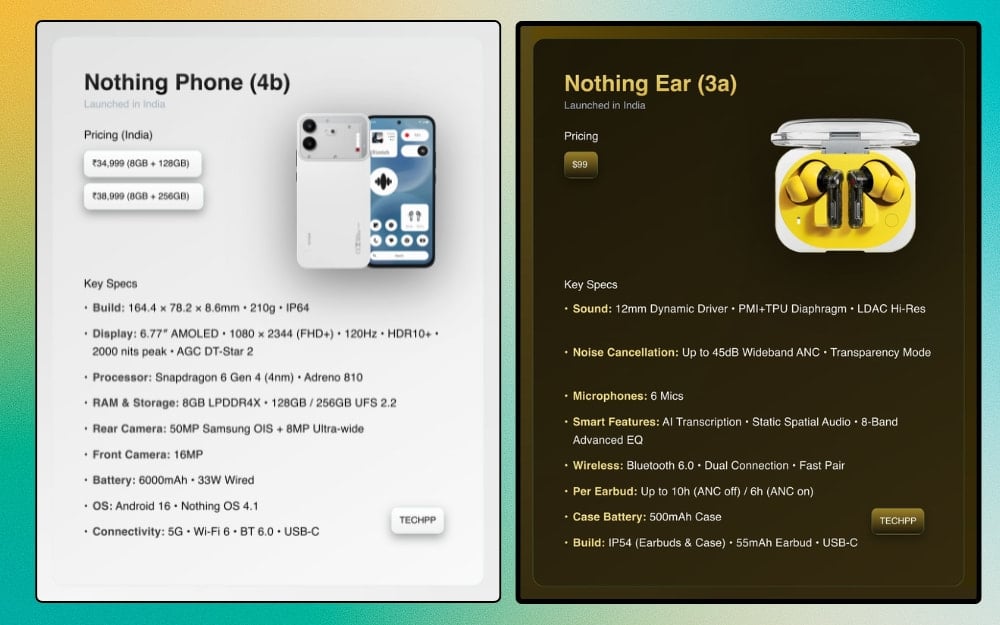
After months of teasing, Nothing has officially announced its new Nothing Phone (4b) smartphone under the Nothing Phone 4 series. As expected, the smartphone is pretty expensive for its specs, especially in India. It has Snapdragon 6 Gen 4, comes with a 6.77-inch 120Hz AMOLED display, 50MP OIS main camera, ultrawide camera, Glyph Bar, IP64 rating, and Android 16-based Nothing OS 4.1. Battery is 6,000mAh in India and 5,200mAh globally, with 33W charging. The base variant is priced at Rs 34,999 for 8GB+128GB and Rs 38,999 for 8GB+256GB.
Nothing Phone (4b) vs Nothing Phone (4a): how the specs compare
Pricing:
– Nothing Phone (4b): ₹34,999 (8GB + 128GB)
– Nothing Phone (4a): ₹39,999 (8GB + 128GB) {Current price on flipkart)#NothingPhone4b #NothingPhone4a #Nothing #Comparison #VsMatch #WhichIsBetter pic.twitter.com/eucb5UfJzS— TechPP (@techpp) July 7, 2026
Nothing wants to be the Apple of Android phones, where it wanted to see itself as a premium Android brand. However, people’s perception is different. Within a few minutes of the announcement, people have already started comparing it with other Android brands in the same price segment and calling it an overpriced phone. Yes, Nothing already has a unique audience segment who prefer only Nothing phones, and the RCB edition might be one of the most successful limited-edition phones from Nothing.
Well, this can be one side of the story. On the other hand, the high price might also be because of the component shortage. For those who remember, Nothing Phone 3 was also an overpriced phone that created a lot of backlash, but Nothing later slashed its price and sold it at a huge discount.
Now, Nothing Phone 4b also follows a similar strategy, but this could also be because of the rising memory costs. If Nothing is available in your location, would you prefer Nothing over other brands just because of the design and its unique approach to phones?
Nothing has also introduced its budget-friendly earbuds, Nothing Ear (3a), in selected markets. It is priced at $99. It has an 11mm driver, support for LDAC, Bluetooth 5.3 support, Active Noise Cancellation up to 45 decibels, six microphones, an IP54 rating, call recording support, and up to 42 hours of battery life with the charging case when ANC is turned off.
Nothing Ear (3a) Is Also Here
Nothing has also introduced its budget-friendly earbuds, Nothing Ear (3a), in selected markets. It is priced at $99. It has an 11mm driver, support for LDAC, Bluetooth 5.3 support, Active Noise Cancellation up to 45 decibels, six microphones, an IP54 rating, and ChatGPT integration with call recording support.
The earbuds can last up to 42 hours with the charging case when ANC is turned off. They are currently only available in selected markets, with no information about an India launch for now.
The Upcoming iPhone 18 Pro May Be Noticeably Thicker Than the iPhone 17 Pro
According to the leaker Fixed Focus Digital, the upcoming iPhone Pro may be noticeably thicker than the iPhone 17 Pro.
The leaker claims that the aluminum frame Apple is using in the upcoming iPhone 18 Pro series, as well as the rear camera, may become thicker. He claims the phone will be around 2mm thicker than the current model. For reference, the current iPhone 17 Pro and iPhone 17 Pro Max have a thickness of 8.75mm.
This might be accurate, as we recently got a glimpse of a drop test of the upcoming iPhone 18 Pro series, where the smartphone looked significantly thicker than the current models.
Privacy and Wearables
Meta Says AI Smart Glasses Camera Will Stop Working if Users Tamper with the Privacy Light
Meta Says AI Smart Glasses Camera Will Stop Working if Users Tamper with the Privacy Light pic.twitter.com/3piUS95nze
— Rameshreddy🏁 (@rameshreddy71) July 8, 2026
Meta says it is updating its AI smart glasses privacy controls, and if anyone tries to tamper with the privacy light on the Meta AI glasses, it will stop the camera. Meta says if the LED is covered, disabled, physically damaged, or destroyed, the camera will be disabled automatically.
This comes as part of growing concerns about smart glasses and privacy, where AI glasses can record everything users can see with their eyes without the consent of others, with a simple tap of a button or a simple command.
To combat this, and to let others know the glasses are recording, Meta has added a capture LED. It blinks when the glasses are taking photos or recording videos. However, some users are tweaking it to hide the capture LED light and even remove it from the specs.
Plus, Meta is also removing ads, posts, and marketplace listings that promote LED tampering services, and it says that it may ban accounts and take legal action against people selling these services.
While this helps address privacy concerns, unless a user notices the tiny LED blinking on the owner’s face on the specs, privacy is still a concern for many people. It would be better if Meta also comes up with other solutions, maybe a sound that other people can hear or even a display on the specs, or any way that lets other users know that they are being recorded.
This is probably the first time Meta has been harsher and stricter about user privacy, and it is good to see they are heading in this direction.
Entertainment and Apps
Netflix’s Video Library Now Includes Videos from Other Content Publishers

Netflix’s video library now includes videos from other content publishers, such as BuzzFeed, Condé Nast, Hearst Magazines, People Inc., and many more. The company announced.
Get ready to see a more cluttered and unwanted experience on Netflix, as the company signs deals with dozens of publishers to host their video libraries directly on the platform.
Netflix officially partners with BuzzFeed, Condé Nast, Hearst Magazines, People Inc., PMX, and Tastemade, which includes brands like Architectural Digest, Bon Appétit, Vanity Fair, Wired, Cosmopolitan, Elle, Billboard, Eater, Rolling Stone, Variety, People, Food & Wine, Tasty, and Tastemade. Netflix says the content covers food, travel, fashion, entertainment, design, wellness, celebrity profiles, home tips, and gardening ideas.
The videos can range from short clips of up to three minutes to full 20-minute episodes. Plus, Netflix will also offer some of the licensed videos, which might be exclusively available on the Netflix platform.
However, this hinders the Netflix core experience, as the company is moving towards adding more and more content alongside existing Netflix clips and Netflix games, live content, video podcasts, and much more. We are not sure whether this will be offered as a separate tab or included directly in the recommendations on the home screen.
The rollout will begin on August 3, 2026, when all the videos will be available in the US, Canada, the UK, Ireland, Australia, and New Zealand. Netflix says these videos will be available to all members across all subscription levels in those countries. Netflix also mentions that it might add new publishers in the future. We should see how this all pans out.
Google Is Shutting Down the Google Earth Pro Desktop App in June 2027
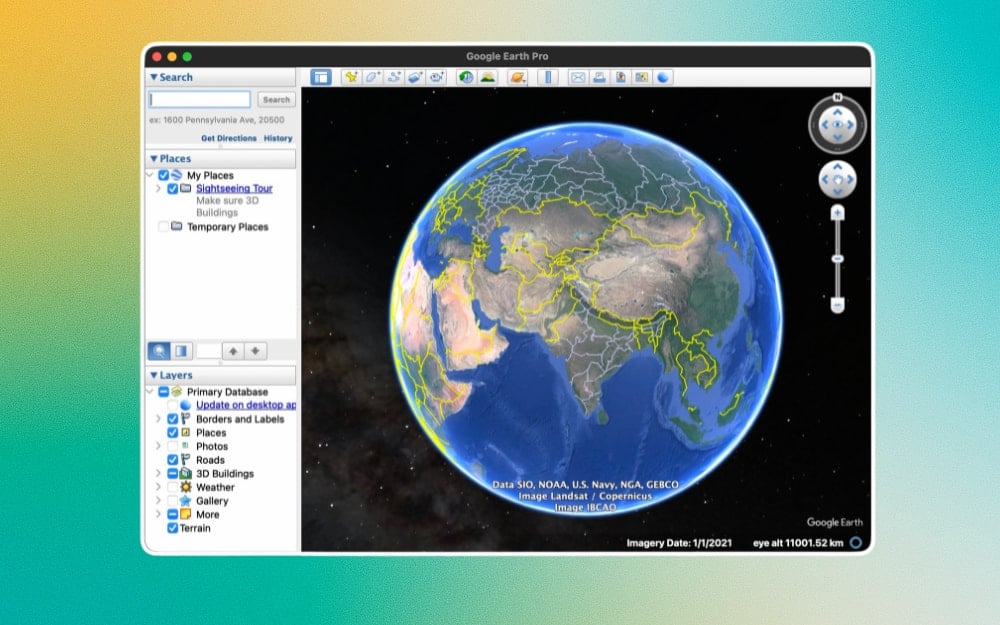
Google is shutting down the Google Earth Pro desktop app in June 2027 and urging users to use Google Earth on the web, as well as the mobile Android and iOS apps.
When we tested, the app was still available for download. Existing users who have already downloaded the Google Earth Pro desktop app can continue using it. If you want advanced mapping options, you can use the Google Earth web app or mobile apps. We tested the download link, and it is still active.
Launch Monitor
Now coming to launch news:
- Qubo officially announced the Dashcam Pro 2K Plus Front + Rear dashcam in India, priced at Rs 5,999. It comes with 2K front recording, 1080p rear recording, 120-degree field of view, HDR support, H.265 video format, Wi-Fi connectivity, G-sensor collision detection, and supercapacitor support.
Read Previous TechPP Daily Briefs:
- The Daily Brief: July 7, 2026
- The Daily Brief: July 6, 2026
- The Daily Brief: July 3, 2026
- The Daily Brief: July 2, 2026
- Complete TechPP Daily Brief Archive

