

When Realme took the wraps off its Realme 12 Pro series devices recently, a lot of attention was grabbed by the design of the phone with its different colors, vegan leather backs with a prominent stripe down the center, and the use of elements inspired by luxury watch elements. A few weeks earlier, Xiaomi had showcased the design of its Redmi Note 13 series, with its flagship model sporting a special block design around the cameras and a very unique fusion purple shade. And even before that, Motorola had impressed many with the design of the Moto G84 which came in a striking Viva Magenta shade and a vegan leather back. And even as this is being written, iQOO is showcasing the iQOO Neo 9 Pro with a dual color white and red back, the likes of which have seldom been seen in any segment.

The smartphone mid-segment has seldom seen so much innovative design. Even in the cases where the design seems similar, brands seem to be willing to take a different path in terms of coming out with very different colors – Poco made its otherwise predictable X6 Pro stand out by releasing a bright yellow vegan leather variant.
Premium phone stars stuck in the Clone Wars?
But if mid-segment brands are taking the road less traveled in phone design, those with premium phones seem to be driving down well-trodden and familiar highways.
Whether it is the Pixel or the Galaxy S24 series, the recently released OnePlus 12 series, or even the mighty iPhones, design innovation in the premium segment largely seems limited to using titanium in some models or adding the odd new shade, which is seldom dramatic (even Google saved its strikingly different coral edition for the more affordable Pixel 7a rather than the premium Pixel 8 series). You can confuse many premium flagships with each other.
Most folks thought that our OnePlus 12 was a OnePlus 11, but a few actually insisted that the Galaxy S24 Ultra was the S23 Ultra from the back, and many still cannot tell an iPhone 15 and 13 apart, especially if they are within covers. There is very little chance of anyone mistaking a Redmi Note 13 Pro+ for a Redmi Note 12 Pro+ or the iQOO Neo 9 Pro with the iQOO 8 Pro.
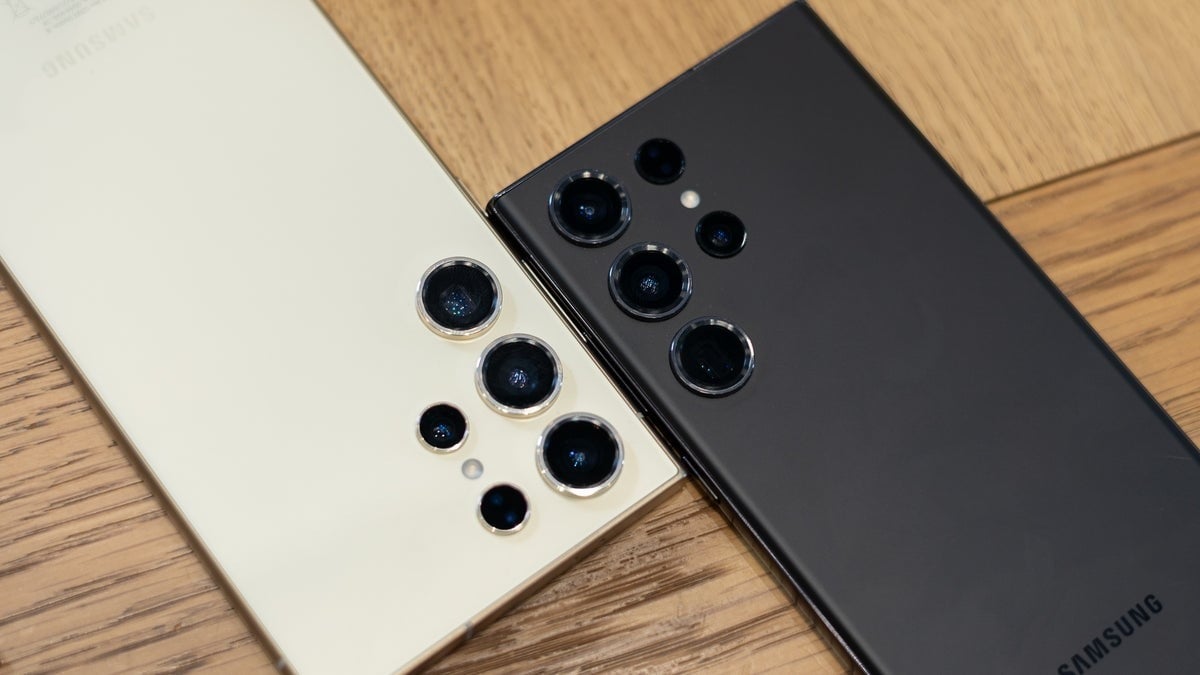
This is not to say that design innovation has totally died out in the premium segment. Vivo came out with a different-looking Vivo X100 Pro, and its sub-brand iQOO put a spin on the iQOO 12. OnePlus also released a Solar Red vegan leather variant of its OnePlus 11R and came out with a special Marble Odyssey edition of the OnePlus 11. Xiaomi, too, had featured a ceramic back on its Xiaomi 13 Pro in early 2023. But these efforts have been few and far between. For the most part, it seems that brands are comfortable sticking to the familiar in the premium segment, adding a slightly different shade, retouching a finish or side there, and adding a dash of titanium to premium tastes if needed.
This is deeply ironic because, for the longest time, it was the premium segment that used to be mainly about design, while the mid-segment was more about value-for-money specs and functionality. It was common to see mid-segment devices following a watered-down template of more expensive phones, from bezel-less displays to glass backs to notches and so on. That seems to have changed radically over the past year – it is almost as if the mid-segment (particularly the devices in the Rs 20,000 – Rs 35,000 zone) has discovered a design language of its own.
If it looks different, it is more likely to be a mid-segment phone than a premium one

Observers attribute different reasons for this phenomenon. A popular theory is simply that consumers have become more design-conscious. At the same time, another says that with the mid-segment expanding and even getting a premium mid-segment zone (the Rs 25,000 – Rs 35,000 segment, as per some), it was only natural for premium design elements to filter down to it. Some others attribute the more aggressive design experimentation in the segment to the fact that the younger generation (18 years – 25 years), which makes up a huge chunk of mid-segment consumers values exciting design and wants phones it can flaunt.
All of these have undoubtedly played roles, but perhaps the biggest reason for the design revolution of sorts in the mid-segment is the more intense competition in this price zone. A few years ago, brands had fewer mid-segment offerings. Today, Xiaomi has three Redmi Notes, Poco has an X and F series, iQoo has a Z and Neo series, Samsung an F and A series, and OnePlus has three flavors of its Nord, all in the mid-segment. And with hardware differentiation being limited – AMOLED displays, high megapixel cameras with OIS, big batteries with fast charging are increasingly common in the segment – the importance of having a design that can stand out has increased. With the premium segment kind of being stuck in a rut, mid-segment phone designers have had to think out of the box. The result is a far more radical and different design.
On the other hand, design in the premium segment seems to have got into an almost templatized mode, with not much change in very prominent and notable design components – the diagonally opposite cameras of the iPhone, the camera bar of the Pixel, the waterdrop camera arrangement of the Galaxy S Ultra, the large spherical camera unit of the OnePlus flagship and so on.

According to our sources, with not too many players in the premium segment, brands do not feel the need to try anything different, especially as sales have been very healthy. One of our retail sources even claimed that with slightly older premium devices (like the iPhone 13 and the Galaxy S22) selling in very large numbers, brands actually avoid changing the design too much as this would make these bestselling oldies look outdated and affect their demand. The brands themselves, of course, insist that all is well on the design innovation front in the premium segment and that they are simply sticking to a consistent design language that consumers have liked and appreciated in the past while making subtle and nuanced changes and adding new and improved materials.
How long this state of affairs will continue is anyone’s guess, but from what we can see, most flagship leaks of the forthcoming months seem to indicate slight rather than dramatic changes in premium devices. The mid-segment is likely to continue to have more eye-poppers in design terms. And truth be told, given how much larger the mid-segment is as compared to the premium one, that seems fair. We do hope that premium phone designers will get their heads out of the boxes they seem to be trapped in, but while we wait for that to happen, our advice to anyone wanting a phone that looks militantly different would be: look for it in the Rs 20,000 – Rs 35,000 range. That’s where crazy phone design currently resides.

