

In Summary
- Following backlash from users and independent repair providers, Apple has made a few changes to its policies in the Self Service Repair program.
- As part of the change, users will be able to use genuine used parts to repair their broken iPhones.
- The new changes are said to roll out to select iPhone models this fall.
After lobbying against it for years, Apple, in 2022, introduced the Self Service Repair program, giving users with the know-how access to genuine parts, tools, and manuals required to fix their devices. However, users could only use fresh parts for repairs at the time.

This restriction wasn’t received well among customers and independent repair providers, as it gave users fewer choices, which led to higher repair costs, and inadvertently generated more electronic waste, which is against the objective of the Self Service Repair program.
Now, Apple has acknowledged the problem with this restriction and amended its policies for the Self Service Repair program. With this policy change, the company will allow users to fix their iPhones with genuine second-hand parts. Here’s what you need to know about the new change.
Why Didn’t Apple Allow the Use of Used Parts in Repair Until Now?
Until now, if a user tried to replace a broken component on their iPhone with a used one, the part would simply fail to function. For example, replacing the front camera module would break Face ID.
This would happen because the part would fail Apple’s pairing check. For the unversed, Apple has a parts pairing system in place to authenticate iPhone repairs, whose job is to verify if the serial number of the replacement part matches the iPhone’s logic board. If it’s a genuine part ordered from Apple, it’d pass the test, and the iPhone would resume normal functioning. On the other hand, if it’s a used or aftermarket part, the system would flag it, and it would simply not work, leaving the user with a non-functioning iPhone.
Now, this idea of not allowing aftermarket or used parts in repair seems absurd, but Apple has a genuine reason for not allowing users to do so. And no, it isn’t to increase its revenue by selling new parts, but rather a technical one.
Apple says it’s been doing this to preserve the security, privacy, and safety of its devices. Not having this system in place poses the risk of someone installing compromised parts on iPhones, which could ultimately compromise the device’s integrity and leave the data onboard vulnerable.
What’s Changing in Apple’s Self Service Repair Program?
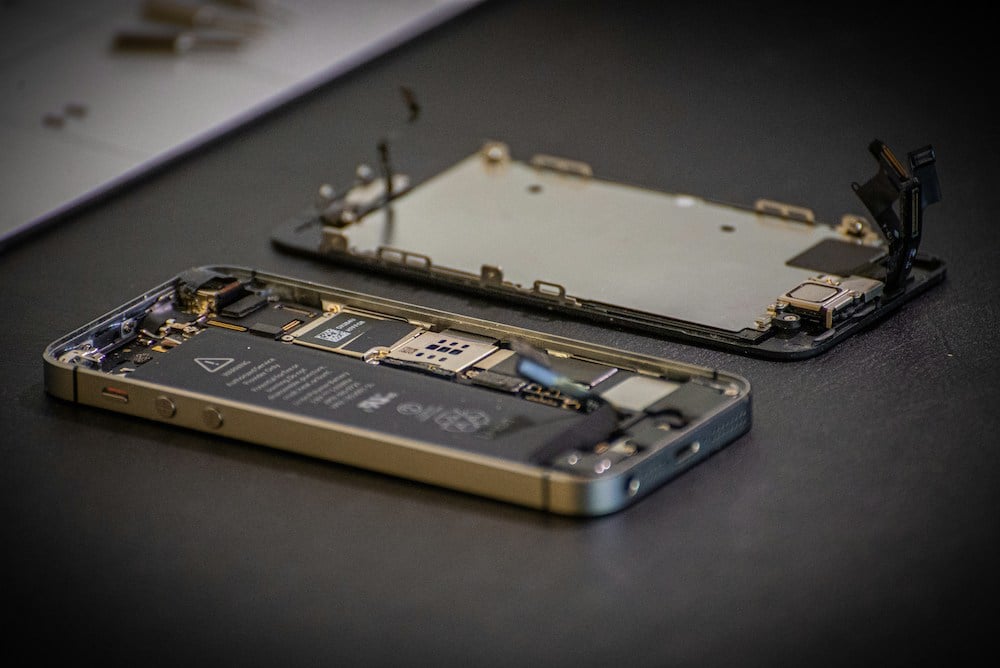
Apple is improving its Self Service Repair program by introducing a few notable changes.
Firstly, the company will no longer require users and service providers to provide their device’s serial number while ordering parts from the Self Service Repair Store unless the repair involves replacing the logic board itself.
Secondly, it’s changing how the parts pairing system works on iPhones. Unlike before, the calibration for the genuine Apple part—new or used—will take place on the device after the part is installed. This will, for instance, enable the reuse of Face ID or Touch ID. In addition, the company says it’ll include support for used biometric sensors in its future iPhones.
Thirdly, Apple is extending the Activation Lock feature to iPhone parts. Currently, it’s aimed at limiting iPhone thefts by preventing lost or stolen iPhones from being reactivated without authentication. But once the new changes start rolling out, it’ll also discourage the disassembling of parts on lost or stolen iPhones for reuse, which can be a potential issue with the changes Apple’s made to its pairing system on iPhones.
Lastly, considering how the reuse of parts will improve an iPhone’s longevity, Apple is making it easy for second and third owners of the device to check whether the device is using a new or used Apple part if it’s repaired. Users can find this information under the Parts and Service History section within the Settings app. Earlier, this section would only tell if the phone was repaired using a genuine Apple part or an unknown one.
How Is This Change Helpful to Users?

Apple’s latest change to the Self Service Repair program has some notable significance.
To begin with, allowing users to fix their iPhones using used parts will make repairs affordable and feasible for a majority of users. This will also reduce the headache of repair technicians in third-party repair shops, as they’ll no longer need to worry about part calibration when swapping out a broken part with a used one.
Similarly, the change in repair policy could also save you the entire cost of the part since if you have an unused or broken iPhone (with the part you need fully functional) lying around, you can simply swap it out and install it on your other iPhone for free yourself or a fraction of the cost from a repair shop.
Then, the use of used parts in iPhone repairs will help improve the device’s longevity. Although by offering many years of software updates to iPhones, Apple’s been working toward this goal for years, the ability to swap out broken parts with used apps would further extend an iPhone’s life by a few years.
Finally, allowing the use of used parts in repair also means that people wouldn’t be disposing-off their iPhones as much as they did earlier (because the repair cost was too high). As such, there will be less electronic waste than before, allowing Apple to achieve its objective with the right-to-repair program in the first place.
When Will the Change to Apple’s Self Service Repair Program Come Into Effect?
Apple’s new parts calibration process will roll out this fall on select iPhone models. Unfortunately, Apple hasn’t shared a list of devices that’ll be eligible to use reused parts for repair. We can, however, expect Apple to bring these changes first on its latest iPhone 15 series.

