

Quick Answer
Today’s daily brief covers major tech updates, including Bluesky Communities, Instagram’s new feed controls, Google’s expanded AI data collection, Microsoft Office 2019 support ending on Mac, Google’s 4x faster DiffusionGemma AI model, Canva’s ChatGPT image editing integration, Insta360’s Luna Ultra launch, and the possible India debut of Fitbit Air.
Hello everyone! Welcome to TechPP Daily Brief, where we report the biggest tech news from the last 24 hours. Today we have two new AI updates from Google, one of which can now generate 4x faster text output.

There are also plenty of new launches, including Insta360’s Luna Ultra, its first pocket-sized gimbal camera; Google has decided to save your search data to train its AI models, and Instagram is finally allowing you to customize your feed
Today’s edition is going to be very interesting. Remember that we publish The Daily Brief every day, so ensure you bookmark this space for all the latest updates.
Table of Contents
TechPP Daily Brief: June 11, 2026
Bluesky is finally getting communities

Bluesky’s head of product, Alex Benzer, has announced that Bluesky will add communities sometime later this year. Communities will have their own, as well as support for a custom feed and a dedicated URL that can be easily shared with other people. Communities will have Invite-only, Private, and Public options.
Instagram is letting you tweak the suggestion algorithm
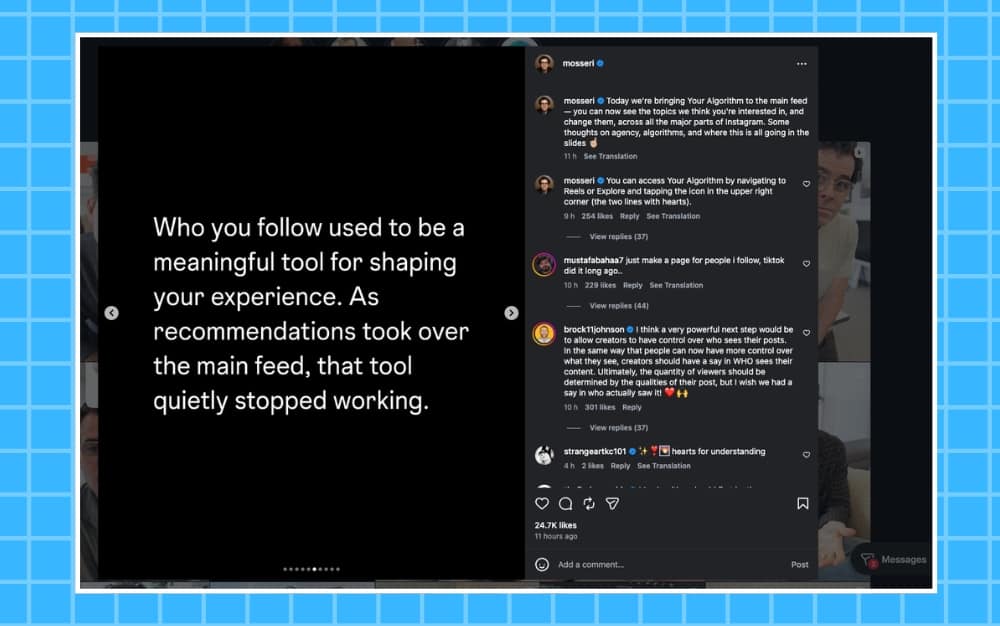
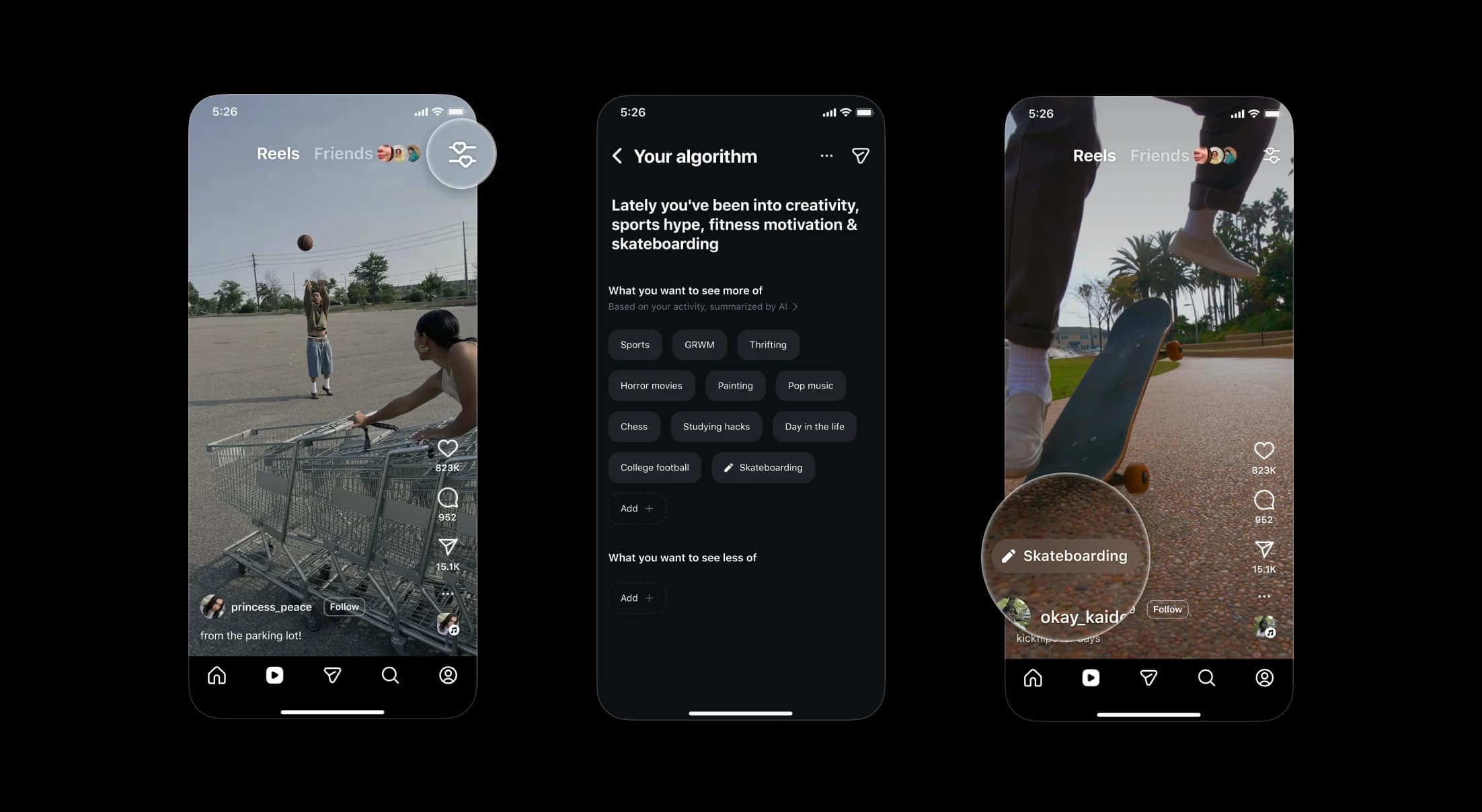
Instagram head, Adam Mosseri, has announced that Instagram is now rolling out a new feature where you can tweak the algorithm based on your interests. You can access this setting by going to the Reels or Explore tab and tapping on the icon in the upper-right corner.
None of these features appear for me on my Instagram app yet (I am from India). Also, remember that it only supports interest-based topics such as technology, fitness, and photography, and you cannot describe what you want directly. Mosseri says more options are coming later, such as the ability to request posts from specific people based on your mood, and content formats are coming later.
Google will use your data to train its AI and products
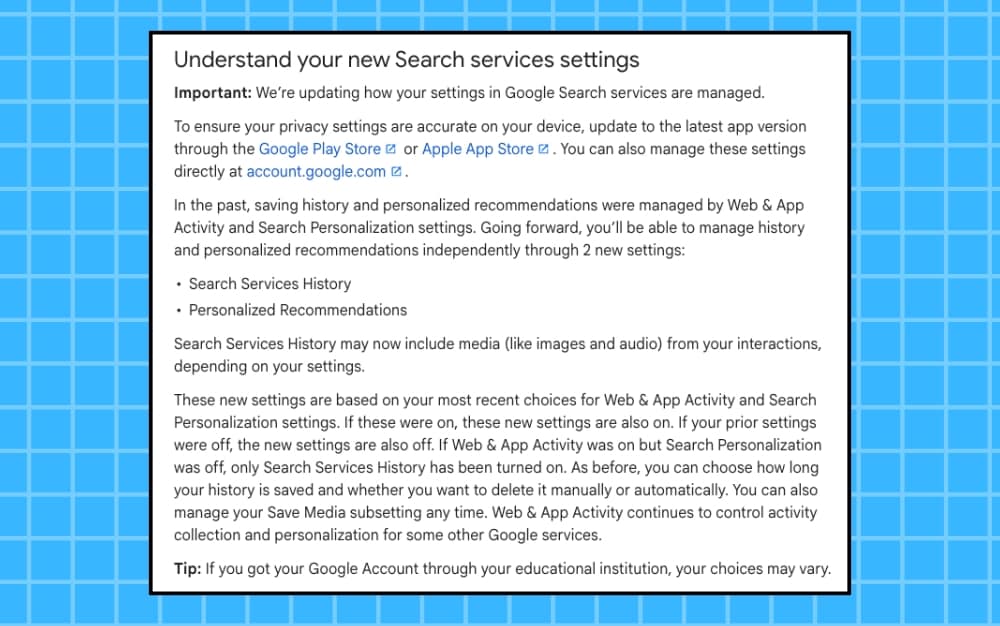
Google is rolling out a new Search Service History. Now it wants your data from your Google Lens search, your voice recording from the real-time search tool, and Google services history, also from Google Translate, to train its AI models and its products.
AI models need large sets of data to train. Almost every company that has an AI model has already trained it over the internet using bad practices, and Google is no exception. Seems like that data is not enough for Google.
Google Search Service is enabled by default. If your web and app activity is enabled. You can opt out by going to Google Settings, Search and Data Privacy > Search History > and turning it off. Remember, this setting is separate from Web and Activity History.
Turn off these settings if you don’t want Google to use your data:
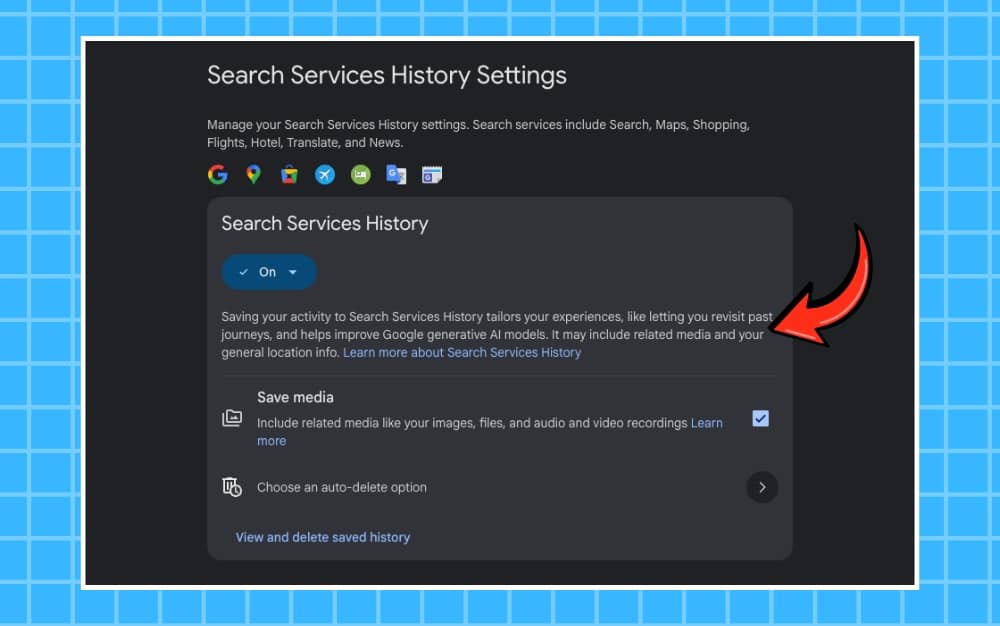
- Turn off search personalization settings.
- Turn off search history settings.
- Turn off the Save media option so that Google won’t save the data that you used for search
Microsoft Office 2019 will no longer work on Macs

There is some bad news if you are using Microsoft Office 2019 on your Mac. Starting July 13, you will no longer be able to create new files or edit them. Microsoft announced in a support article.
If you don’t want to lose access, you have three options: you can upgrade to Office 2024, get a Microsoft 365 subscription, or, if you are looking for a free option, you can use Microsoft 365 on the web; it is very limited compared to the Office apps.
Will iOS 27 change the adoption game?
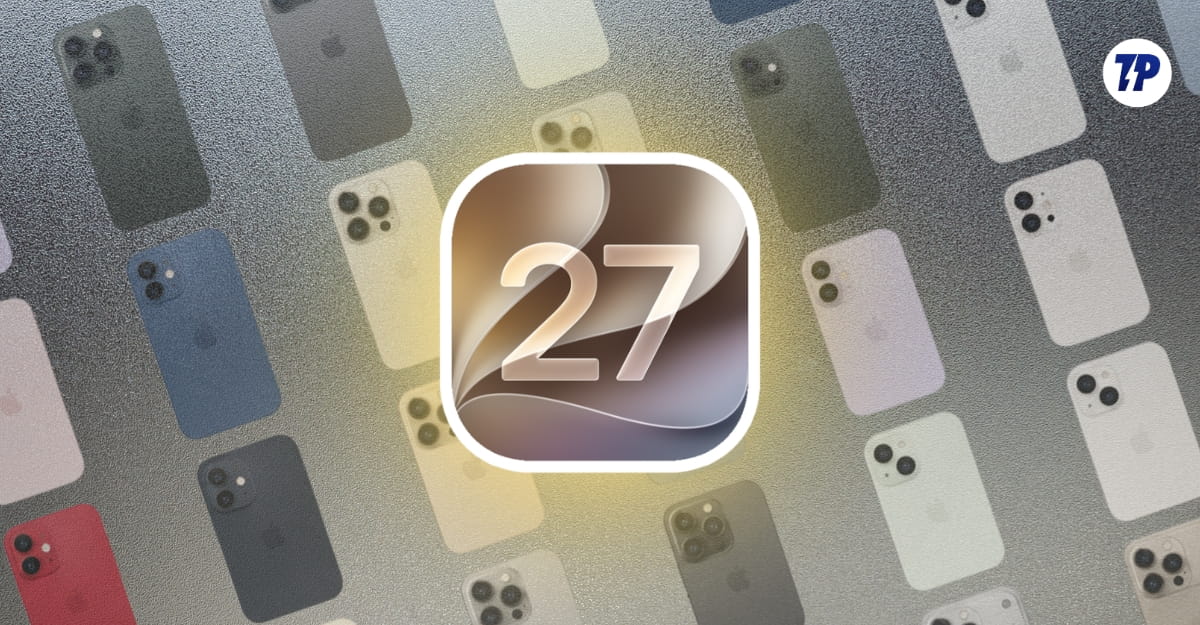
iOS 26 had many issues. Apple’s rollout was messy, and the new Liquid Glass design was even messier, which prevented many people from upgrading to iOS 26 during the initial days. Apple’s recent figures say the adoption is close to iOS 18, with close to 86%.
Apple has fixed almost everything in iOS 27. It also allows you to customize your Liquid Glass slider and has improved performance, based on my testing of the first developer beta on my iPhone 14 Plus. The official public rollout is scheduled for a September release, alongside the iPhone 18 series.
Logitech launches a foldable mouse

We got a foldable mouse before GTA 6. Logitech announces Logitech Mobi Fold, a foldable mouse that can fold in half. It comes with a clamshell design and is available in several different colors. The mouse is priced at $79.
The USP of the foldable mouse is that when it folds, it takes up 46% less storage. This makes it easy to carry in your back pocket or even in your bag. The mouse measures 122 × 57 × 33mm, and when folded, it reduces its length to 66mm and its thickness to 21mm. It works with Bluetooth and also supports the Logi Bolt USB-C receiver.
It might be surprising that the first foldable mouse was actually introduced by Microsoft in 2008. It is called the ARC mouse, and the Logitech Mobi looks very similar to that.
It can connect up to three devices at once. It can work with almost all platforms, including Android and iOS, Windows, Linux, and macOS. It supports up to 4000 DPI, and Logitech claims about one month of battery life on a single charge using USB-C. Also, this is not suitable for gaming.
Google releases an open model that’s now four times faster
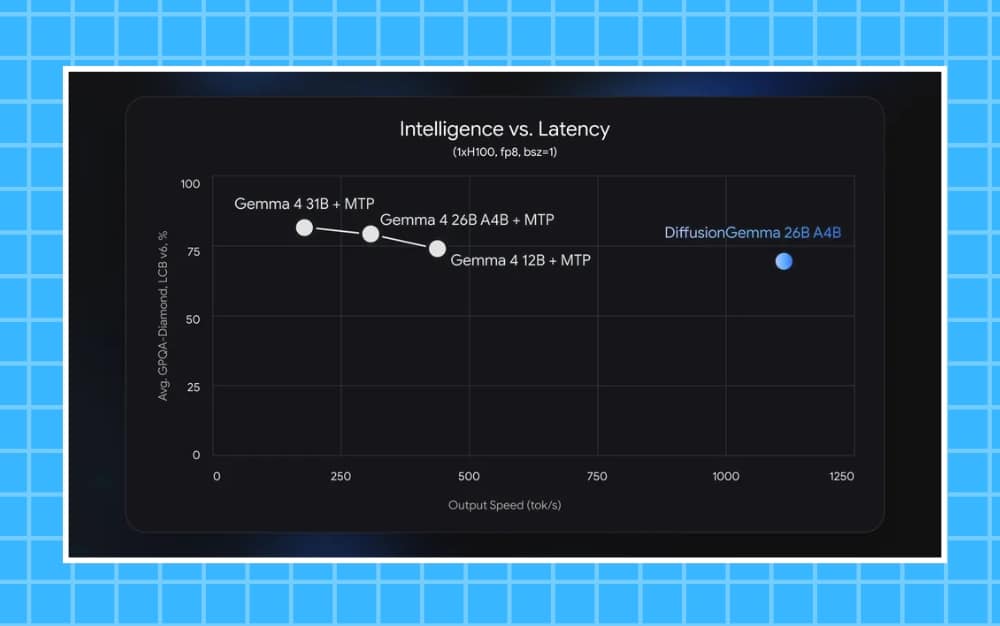
Google’s AI wing, Google DeepMind, has announced DiffusionGemma, an open model that can now generate input four times faster than traditional models that use linear generation. For starters, LLM models (including Google’s own Gemma 4models ) use linear text generation, which means they generate output one word after another. But the diffusion models like these use a parallel approach, similar to how they generate images.

First, it will generate a rough output and later improve it step by step. Because text is generated in parallel, it is now 4 times faster than the traditional and older Gemma 4 open model family. Google’s Gemma 4 diffusion model is an open model that you can test for yourself. It is suitable to run on high-end computer hardware with a minimum of 18 GB of VRAM and an NVIDIA 5090.
If you are a developer, you can download, fine-tune, and use it in your own environment. It is also available through Hugging Face and Kaggle.
Now you can edit ChatGPT-generated images directly in Canva
In a very surprising move, Canva has announced that it is rolling out the ability to edit ChatGPT images directly in Canva. Canva offers magic layers where you can edit individual elements on an image, and this functionality also helps to edit images generated by ChatGPT. To make it work, first you need to generate images using ChatGPT and then use Canva tools to make any edits.
PSA 📣 You can now turn your ChatGPT-generated images into fully editable Canva designs with Magic Layers, without ever leaving the chat. pic.twitter.com/ZIbONzwoq5
— Canva (@canva) June 9, 2026
More AI News:
- You will soon be able to select a custom model for the Claude voice output. A new interface has been discovered online where, in the voice mode, Claude is now allowing you to select the model of your choice.
- Google Notebook LM is getting textbooks as a source so that you can directly upload full textbooks and use them as a source.
Launch Monitor:
- OnePlus has officially announced the Turbo 6 and Turbo 6X Pro in China. Both are mid-range phones powered by Dimensity processors and big batteries, and they are currently only available in China. You can check our social media channels for full specifications and comparisons of these phones.
- Realme also announced its P4R smartphone. It comes with an 8,000 mAh battery but only an HD+ display, priced at 19,000 rupees. Times have changed due to rising memory prices.
Insta360 announces Luna Ultra, its first pocket-sized gimbal camera
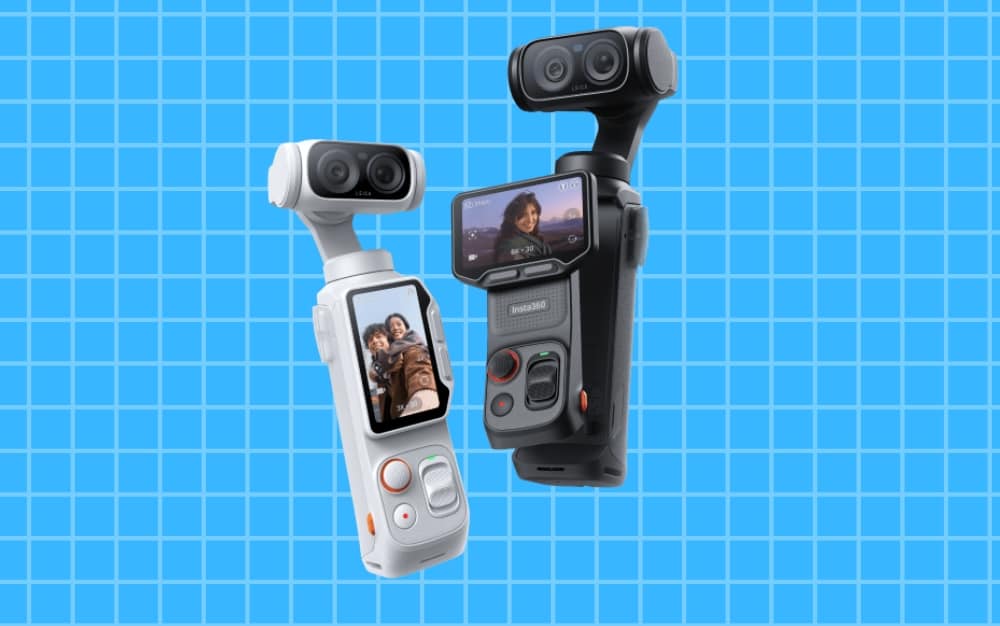
Insta360 is going after the DJI Pocket series with the announcement of its new pocket gimbal camera, the Insta360 Luna. It comes with a price tag of $769, for which you get 47 GB of inbuilt storage.
| Feature | Insta360 Luna Ultra | DJI Osmo Pocket 3 |
| Price | $769.99 | $499 |
| Cameras | Dual camera | Single camera |
| Main sensor | 1-inch sensor | 1-inch sensor |
| Maximum video | 8K 30fps | 4K 60fps |
| Zoom | Up to 6x lossless, 12x digital | Digital zoom |
| Screen | Detachable touchscreen | Rotating touchscreen |
| Storage | 47GB built-in + microSD | microSD only |
Google Fitbit Air might be launching in India soon
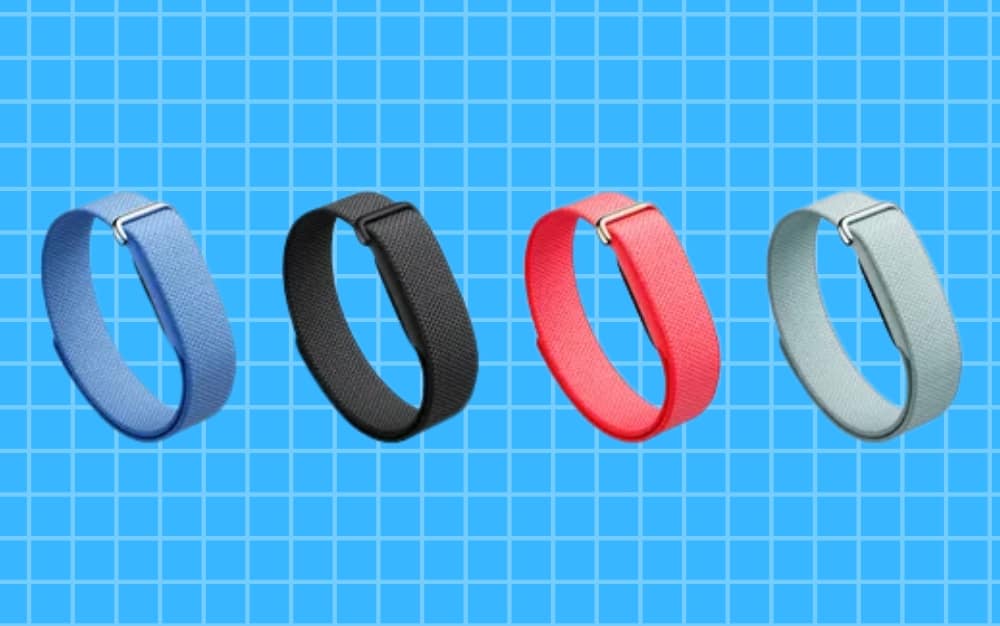
The most awaited and current trending gadget, Google Fitbit Air, might be launching in India soon as it receives BIS certification. BIS is generally the government certification that products receive before launching any products in India.
Most people are waiting for the Google Fitbit Air to officially launch in India. Fitbit Air is already available (unofficially) through third-party sellers.
Its main advantage is that, unlike Whoop, it doesn’t have a yearly subscription. This makes it an attractive choice over Whoop for many people. Third-party sellers are already selling Google Fitbit Air for around 12,000 to 14,000 rupees. The standard Fitbit Air costs $99.99 in the US. Even if Google launches and prices it very similarly to the US, it will be priced around the same ₹12,000-13,000 in India.
Those are the big tech updates from the last 24 hours. You can also check out our previous TechPP daily brief to stay updated with the latest trends. Goodbye for now, and see you in tomorrow’s tech briefing.

