

In Summary
- Apple recently took the wraps off the iPhone 16e, the latest and most affordable in its iPhone 16 series.
- The iPhone 16e comes with a display, processor, and battery similar to the iPhone 16 released in late 2024, although it lacks many of its features, such as dual cameras, MagSafe, Dynamic Island, and a Camera button.
- While many are seeing the iPhone 16e as the successor of the iPhone SE (and also praising or criticizing it in this context), we think the iPhone 16e reflects a change in Apple’s iPhone strategy, targeting a different consumer segment, as well as new rivals.
One of the problems of studying too much history is that we sometimes totally lose sight of the present. And judging from many of the reactions to the latest iPhone in tech town, that is exactly what has happened. Apple recently took the wraps off the iPhone 16e, and ever since then, the phone has been either hailed as a huge upgrade to the iPhone SE or a grossly overpriced product, depending on who you read. We are not going to get into THAT argument until we get a chance to use the device, but right now, what we can tell you is that the iPhone 16e is NOT a new name for the iPhone SE or even a “more affordable iPhone,” but is actually a completely new segment for the device, and might reflect a major change in Apple’s iPhone strategy.
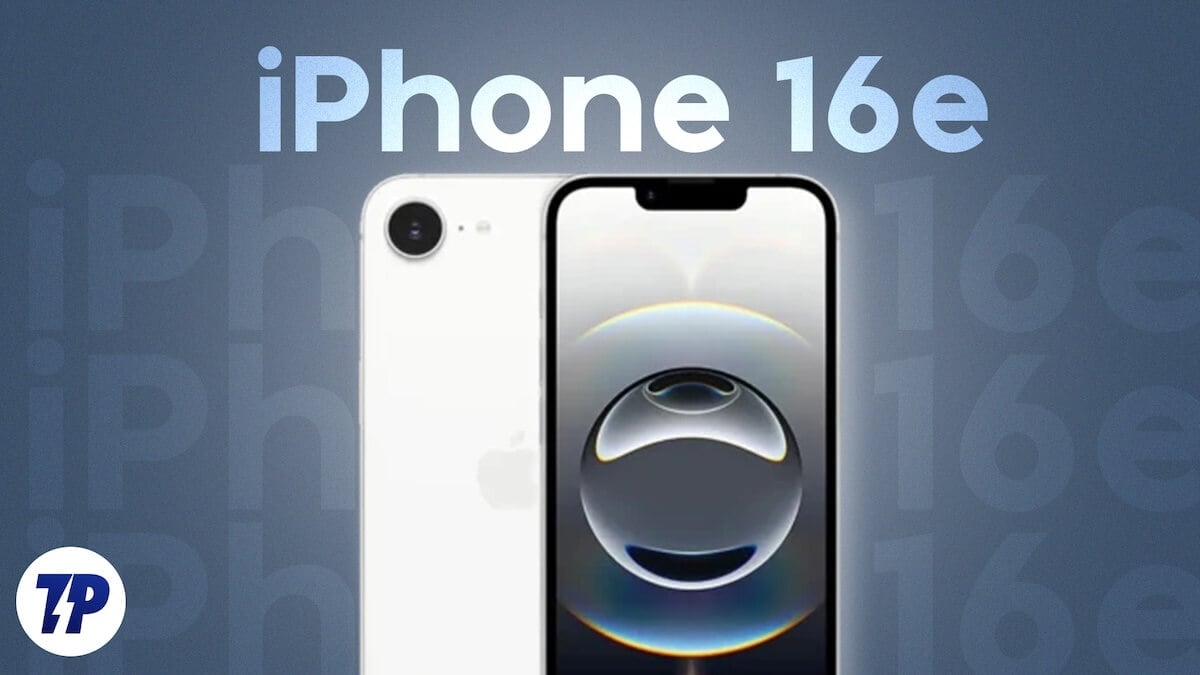
“The most affordable new iPhone,” but no connection with the iPhone SE!
There has been a general tendency to consider the iPhone 16e as some sort of successor to the iPhone SE – in fact, till the day of the launch, many believed that the phone would come with the SE moniker. To an extent, that is understandable. After all, it is the most affordable ‘new’ iPhone, just like the iPhone SE used to be, and again, just like the SE, the iPhone 16e has been released long after the release of the original new iPhone series (the 16, in this case).
This is not the first time Apple has come out with a relatively affordable (we need to stress the word ‘relatively’ here) iPhone. In fact, a more affordable iPhone has been a steady part of Apple’s strategy over the past 10-12 years. The Cupertino giant came out with the colorful iPhone 5c in 2013, the iPhone SE in 2016, the iPhone XR in 2018, and different versions of the iPhone SE in 2020 and 2022. The iPhone 16e would seem to be the latest in the series but with a different suffix – an e instead of a c, R, or SE.
Well, it seems that way, but we think it isn’t. In fact, there are many indications that unlike the iPhone SE, which seemed to follow no set schedule, or the 5C and XR, which seem to have been one-offs, the iPhone 16e is, in fact, the start of a whole new series of devices by Apple.
A whole new iPhone world?
There are two reasons for our thinking that the iPhone 16e represents a whole new chapter in iPhone history rather than just an additional paragraph to the existing iPhone SE. The first is the positioning of the device. The iPhone 16E is part of the ‘proper’ iPhone series rather than a ‘smaller, lower-priced’ SE, which followed an irregular release cycle.
In fact, this is the first time that Apple has launched an iPhone months after its flagship iPhone series launch and yet allowed it to carry the name of the series – the iPhone 5C was launched with the iPhone 5S, and the iPhone XR was launched alongside the iPhone XS series. The 16e, on the other hand, comes with the 16 moniker but has been launched almost five months after the iPhone 16 series. Apple has referred to it as “a powerful new member of the iPhone 16 family,” confirming it as a part of the iPhone 16 series rather than as an occasional, smaller SE visitor.

Secondly and more importantly, the iPhone 16e is much closer to a “main” phone than any of its predecessors. The iPhone 5C came with an older processor, the iPhone XR had a low-resolution LCD display (all other new iPhones had OLED ones), and the iPhone SE series was known to pack in the latest processor in a very compact form factor. Of these, only the iPhone 5c and the iPhone XR carried the name of the ‘main’ iPhone and came with significantly lower price tags – the iPhone 5c was launched at Rs 41,900 as compared to the Rs 53,500 of the iPhone 5S; the iPhone XR was available at Rs 76,900 as compared to Rs 99,900 of the iPhone XS. The iPhone SE series generally had markedly inferior specs (most notably smaller displays and batteries) and much lower prices than the main iPhones.
Much close to the ‘main’ iPhones…and Android’s budget flagships
The iPhone 16e is a rather different creature. It is the first “affordable” iPhone that actually comes with a display, processor, and battery that is similar to the main iPhones. Yes, it lacks quite a few of the features that the iPhone 16 has (MagSafe, Dynamic Island, dual cameras, and camera button, among others), but it is definitely not as scaled down as the SEs, 5C, or XR were. In terms of price, too, it is not too distant from the iPhone 16 – the iPhone 16e starts at Rs 59,900, while the iPhone is available at Rs 69,000 from many retailers (although Apple’s price remains at Rs 79,900).
Interestingly, that price also places it right among the ‘budget flagships’ from Android, like the OnePlus 13, the iQOO 13, and even the forthcoming Xiaomi 15. Combating these was the task of older iPhone models in the past. Now, these ‘flagship killers’ will have to deal with a new iPhone, one which is not ‘last year’s, heavily discounted’ model but a variant that comes with comparable basic specs to the main iPhone. Yes, Apple is now targeting enemies beyond its OG rival set of Samsung and Pixel (HTC, Sony, and LG have long since retired hurt).
A new iPhone for those looking at older ones

All of this makes us feel that the iPhone 16e marks a major new phase in the iPhone story. The fact that Apple has chosen to call this the iPhone 16e and labeled it a member of the main phone family seems to indicate that unlike the iPhone SE, which seemed to follow no regular schedule (the first appeared in 2016, the second in 2020 and the third in 2022), the e variant is going to be a regular release, and will make an appearance in the first quarter of every year.
That would represent a major change in Apple’s iPhone strategy, which has so far revolved around having a single major iPhone launch every year, with the occasional SE launch. Perhaps, instead of grouping all of its iPhones together at a single launch, Apple might be considering unveiling different variants at different times of the year, releasing a more affordable version in the early part of the year after cashing in on the regular iPhones in their first few months. This might result in some consumers hanging back from purchasing the base iPhone model, knowing that a more affordable alternative might be released in a few months. Of course, they would also know that the ‘e’ model, which would be released later, would come with relatively inferior specs but would still be far superior to any SE variant.
While the target audience for the iPhone SE was largely those who wanted the latest processor (developers, some gamers, and so on) and those who wanted compact phones (generally geeks and reviewers), the target for the iPhone 16e seems more like those who want the basics of the iPhone 16, but at a lower price. In the past, such consumers tended to go for older iPhone models, but now they would have the option of going for a new one – what’s more, a new one that has a similar display, chip, and battery to the main iPhone (something the SE series lacked). And as we pointed out, one that is more capable of going toe-to-toe with Android’s budget flagship fleet. In some ways, this strategy actually reminds us of Google’s ‘a’ variants of the Pixel series, which are scaled-down versions of the main phones but are available well after the main devices have been launched and come at a lower price, even while retaining many of the basic Pixel features.
We will find out just how successful this new approach is if February 2026 sees an iPhone 17e being launched. Until then, we think it is safe to say that the iPhone line has been extended to accommodate an ‘e’ member. The iPhone 16e is not an iPhone SE replacement or successor.
Oh, and that means one more thing:
The iPhone SE is not dead yet.
But that is another story.

