

In Summary
- The recent launch of Google’s Pixel 10 range has been (once again) accompanied by accusations of being ‘overpriced’ and too expensive, especially in price-sensitive and spec-aware markets like India.
- The Pixel 10 range starts at Rs 79,999, which is very close to the starting price of other premium flagships such as the Galaxy S25 and the iPhone 16, and is more expensive than devices like the OnePlus 13, which can claim to bring better specs to the table.
- While there is no doubt about it being a lot of that the pricing of the Pixel range is indeed premium, what needs to be understood are the reasons for its being so. As we try to explain, it is not just about costs.
It is as certain as night follows day. Every time Google launches a Pixel, there are a plethora of complaints about the phone’s pricing, especially from highly price-sensitive and spec-aware markets like India. And this year has been no different. A few days ago, Google launched the Pixel 10 series at Rs 79,999 for the Pixel 10, Rs 1,09,999 for the Pixel 10 Pro, and Rs 1,24,999 for the Pixel 10 Pro XL. And the days that followed have seen many people expressing sentiments that range from shock to outrage at just how high they think these prices are, especially when compared with better-specced devices from other brands. The fact that Google’s Tensor series of processors is not in the same league as the best from Qualcomm and MediaTek in terms that other flagships having bigger and more versatile camera sensors, and often come with bigger batteries and faster charging (and sometimes even with chargers in the box), and many other less-than-flattering facts have been repeated again and again. As per many very vocal sections in tech circles, “If Google wants to sell lots of Pixels, it needs to cut their prices heavily.”
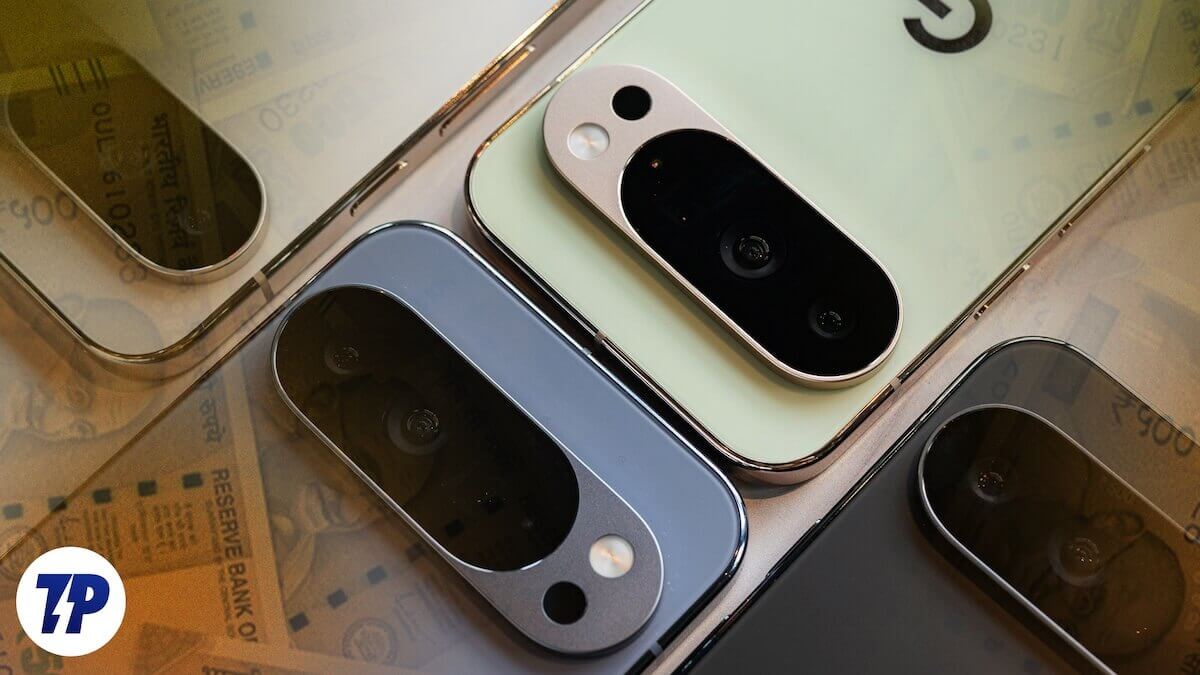
They are right. Google will indeed sell more Pixels if it reduces their prices. And surely a company as massive as Google can work out ways to do so. For instance, surely it can leverage its equity to get terrific deals on hardware and use its online dominance to get better agreements with online retail portals. Even if it chooses to do neither, a company of its size can surely afford to take a hit on a product to generate larger volumes.
So…why doesn’t it do so? Why doesn’t it slash prices and sell more Pixels?
The answer to that is complex.
Moving from the Nexus to the Pixel = Moving from affordable to Premium!
Most of the expectations of more affordable Pixels come from the history of Google’s phones. Google’s Nexus series of devices, which preceded the Pixels, often came with far more competitive price tags than the current range of Pixels. For instance, the Nexus 5 was launched at Rs 29,990 in 2013, a year in which the iPhone 5S was launched at Rs 53,500, and the Samsung Galaxy S4 was launched at Rs 41,500. Contrast that with today, when the Pixel 10, the iPhone 16, and the Galaxy S25 all start at around the same price of Rs 79,000 – Rs 80,000. However, when Google rebranded its phones as Pixels in 2016, it changed its pricing strategy, making it significantly more premium and bringing it closer to other premium Android flagships. Needless to say, this move did not go down too well with those who were used to much lower price tags on the Nexus range.
So what happened, and why did Google increase prices so dramatically? Well, while there have been many explanations for this, the most credible one is that with the Pixel range, Google literally took control of its own phone. In the Nexus era, the Nexus phones had actually been manufactured by other brands, including the likes of HTC, LG, Samsung, Motorola, and Huawei, and were also partially marketed by them. For instance, one could purchase a Nexus S not just from Google but also from Samsung.
Similarly, a Nexus 6 was available from Google as well as Motorola. Google did a lot of designing and counselling, but a lot of the hardcore manufacturing and some of the marketing were in the hands of other brands. However, this collaboration had its problems with the brands often being accused of putting slightly inferior components in the Nexus to make sure their own flagships were not threatened – there was a huge hue and cry over the quality of AMOLED display used in the Galaxy Nexus S as compared to other Galaxy flagships. It is widely felt that Google moved to the Pixel rebranding to largely take control of the phone totally.
With great new phones come great new expenses!
Now, while that seemed an excellent idea on paper, giving Google’s phones their very own identity, it was also a very expensive move. With the Pixel, Google had to acquire not just phone production resources, but also get phone distribution and circulation logistics in place. This involved hiring new personnel and getting a whole new bunch of tie-ups in place. And when Google took a further step into phone production land by opting for its own processor, the Tensor, on the Pixel 6 in 2021, the phone manufacturing bill shot up even higher.
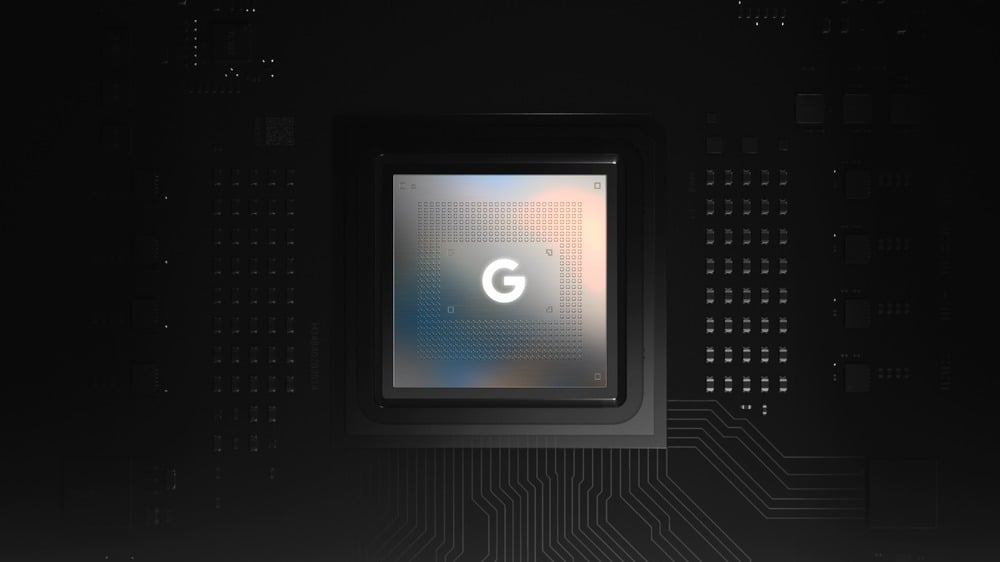
No matter how big a brand it is, Google cannot swing deals with phone hardware suppliers purely on its reputation as a Search giant and being the Father of Android. For example, a supplier of displays is likely to offer a better deal to a brand like Samsung that sells way more phones than Google. It is a challenge that every newcomer to the phone business faces, and Google is no exception to this. Until it hits the really big time in sales terms, it will not be able to get the sort of deals or even credit lines that the likes of Samsung, Xiaomi, or Oppo can. And it has not helped matters that prices of components have been rising over the past few years.
The little (HUGE!) matter of earning from Android
But then the Pixel has been around for a while now, almost a decade. What has stopped Google from chasing larger volumes, thus increasing market share and paving the way for better deals with suppliers?
The answer, perhaps, is Android itself. While many might not be aware of it, Google does make a lot of money from its applications that come pre-installed on almost all Android phones sold outside China. When you consider that these applications include the likes of Search, Chrome, Play Store, Maps, YouTube, and YouTube Music, the amount of revenue this adds up to is staggering. The phones also contribute to Google’s advertising platform, and Google also makes money from purchases made from the Play Store. While Google never discloses the amount of money it makes from Android, many estimates plug revenues to be well in excess of USD 75 billion (the Play Store alone is believed to have generated close to USD 47 billion in 2021, as per some sources). To give you some context, Xiaomi’s total revenues in 2024 were about USD 50.5 billion. In very simple terms, Google makes more money from Android’s software than most brands do from selling Android phones.

Which is why many of our sources in the industry say that Google actually does not WANT to get into the flagship race. The Pixel range is mainly its ambassador for Android, which is where the real money comes from. According to them, this is also why Google persists with a pricing system that seems premium for its spec sheet – while it does want the Pixels to have a premium positioning, it also does not want to get into a confrontation with other premium flagships. After all, if Google becomes a major smartphone brand, other smartphone brands will start looking at it like a rival rather than as a provider of Android. And that might make them work harder at coming out with their own operating systems or even Google-app-free versions of Android, something that has happened in China. All this would have an adverse impact on Google’s own earnings from Android.
Charging a premium for its unique Google-ishness
All of this might make some people wonder why Google bothers with making phones at all. Well, the Pixels, in spite of all the complaints about their spec sheets, remain a benchmark for a clean Android experience and are also almost always the first devices to get Android updates. They are also a great platform on which to introduce and showcase new features and apps, as well as generate buzz about them, both among consumers as well as brands. And of course, it is easier to add new features and even bring in new concepts when you totally control production, and do not depend on the whims and fancies of a partner who also has products in the same market.

It is this unique Google-ishness that makes Pixels great propositions for software developers, tech enthusiasts, and geeks, a handy niche, parts of which have an almost cult-like devotion to the Pixel and all things Google. The Pixels also do well in markets like the USA (where Chinese competition is largely missing) and in Japan, where consumers are said to still prefer compact phones with clean interfaces. Google does advertise the Pixel heavily, which might add to its costs, but helps it retain its ‘elite’ status.
In short, with the Pixel range right now, Google has a series of phones on which it can showcase Android and introduce new features to its own loyalists, and even get in some decent numbers in select markets. All this without in any way threatening the market shares of other players in the market, from whom it actually earns a lot of money, thanks to Android. Yes, more aggressive pricing could see the brand sell more Pixels, but would it be worth the additional effort and expense, not to mention alienating other brands that actually contribute to its revenues? Yes, we would welcome Pixels that come with much lower price tags, but we are not holding our breath for them.
The Pixel right now is an ambassador of Android, rather than a competitor. It does not arrive in the market to demolish the opposition but simply to show the world what Android in general, and Google on Android in particular, can do. Its premium pricing stems not from its spec sheet, but from its place in the Android world.

