

In Summary
- While AI held centerstage at CES 2026, not all AI-infused products showcased at the event were actually useful.
- In many cases, brands seemed to be slapping AI tags on what seemed to be relatively regular products in an attempt to cash in on the AI hype.
- We take a look at seven products at CES 2026 which frankly made us wonder why they existed, and whether this is what AI was meant to be used for.
The tech world has been crushing over AI for a couple of years, and now this crush has turned into a hardcore obsession. “AI this, AI that” – this is basically what CES this year has been all about.
Brands were seen adding the AI label to pretty much anything and everything, like garnish (cue Salt Bae meme sprinkling AI meme)! While many brands introduced some very impressive gadgets – with or without (barely any) AI – there were many that just added AI to their devices to get some AI clout.
And these seven were the most ridiculous, unnecessary AI gadgets that were introduced at the consumer electronics’ biggest show. They were so unnecessary that we think mentioning them is necessary (The “so bad, they are almost, ALMOST good” effect):
Table of Contents
Lepro Ami AI soulmate: You are not alone…er…
This Chinese AI soulmate is right up there in the creepiness charts. The Lepro Ami AI soulmate is a small device with an 8-inch curved display, which can easily fit into your desk arrangement. It is supposed to take AI companionship to the next level and is designed to interact with the user as well, a ‘soulmate.’ It has dual cameras on the front to track eyes and one at the back as well as microphones, and is designed to give you the feeling that you are not alone, but that there is someone with you.

This companion is not created to help you solve problems, work better, or learn anything, but is aimed to fill an emotional gap, which sounds quite unsettling to even begin with.
GoveeLife AI Icemaker: AIce, AIce, Baby, but quietly…really?
A contender for the most gimmicky, over-priced, and uselessly AI gadget at CES! The GoveeLife AI Icemaker is, as its name suggests, an ice maker. And it uses AI to make…well, less noise. YES– less noise. Not even complete silence, but less noise. The device claims to make ice quickly, under 6 minutes, and AI is used to minimize the noise while making it.
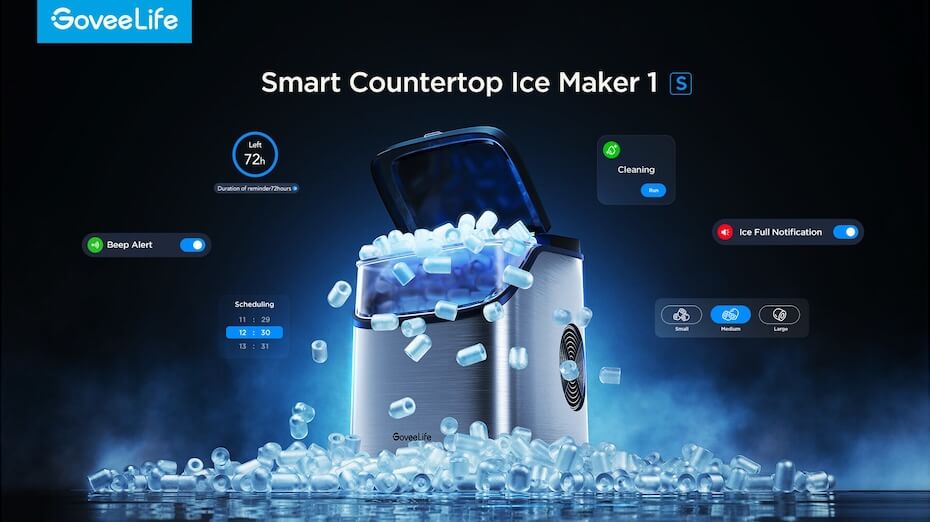
It does not improve the quality of the ice or help you save water in the process. It does not even create ice in cute shapes on command. It does not really add anything to regular ice maker systems. And yet it is expected to be priced at a whopping USD 499.99. And here our poor refrigerators have been making ice for years without noise. Or maybe we have not been hearing carefully enough and need hearing aids powered by – all together now – AI!
Glyde AI-powered hairclipper: Stay out of our hair, please, AI
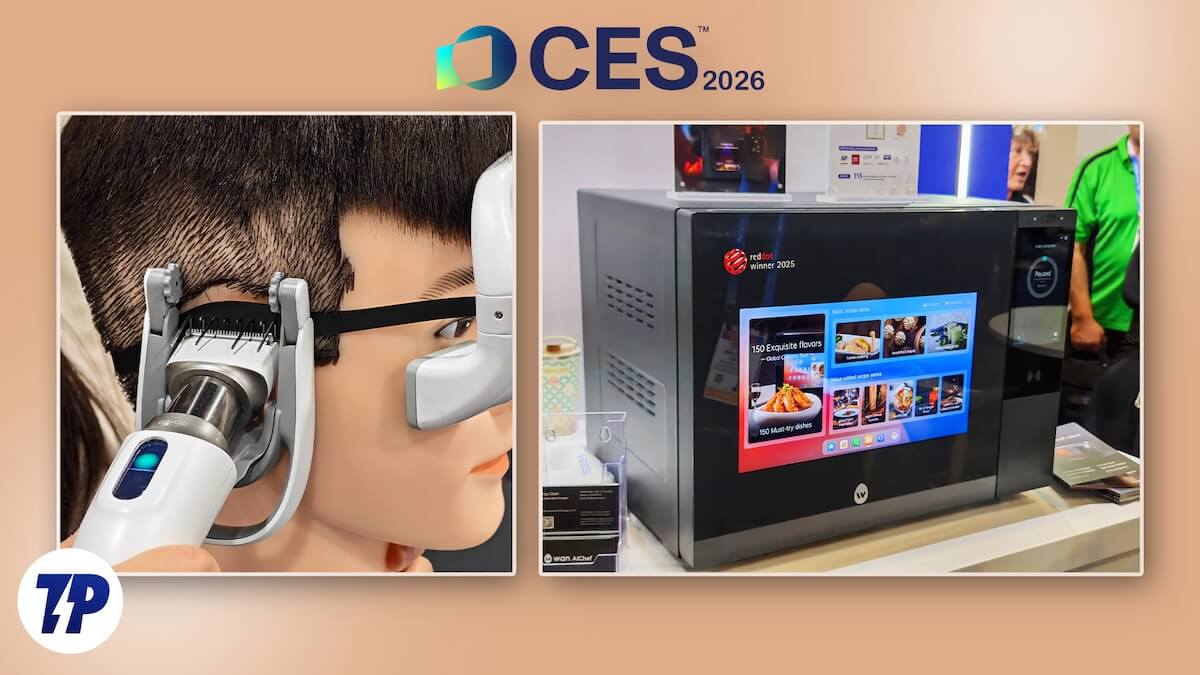
It has been editing our images, writing our mails and messages…and now wants to cut our hair. The Gylde AI-powered hairclipper comes with a ridiculous headgear of sorts and pairs with your smartphone. The job of the clipper is to offer you real-time hair trimming advice– yes, as you are on the go, it will give you visual and audio instructions on how to cut your own hair.
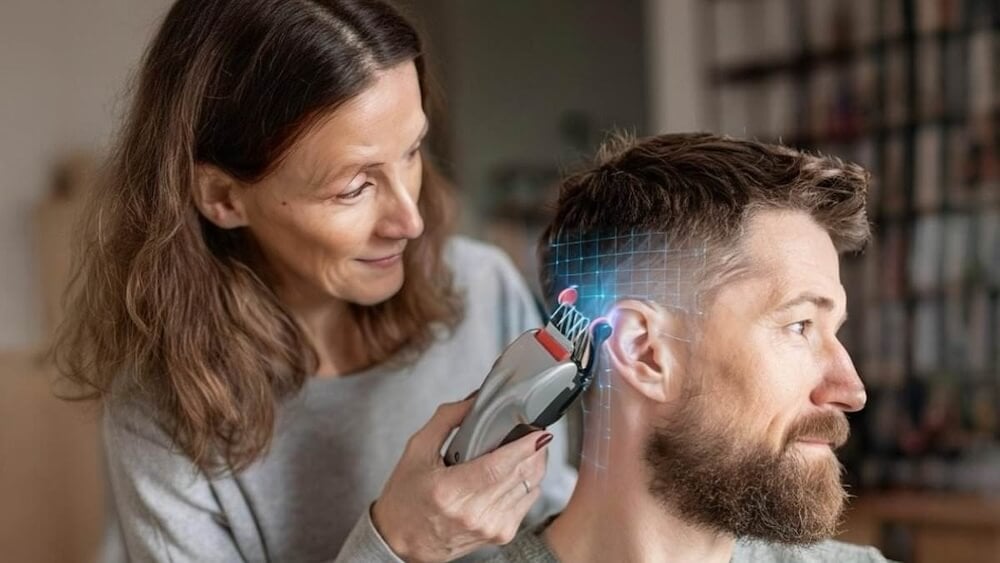
This sounds a lot like a YouTube video tutorial, but in real life. It has built-in sensors that adjust the speed of blades, angle, and tilt as you move, but one small mistake and you would be stuck with a bad haircut for months. We would much rather stick to a real, live hairdresser, thank you very much.
AI Barmen: Shaken and stirred AI!
Of all the problems in the world that one could use AI to solve, bartending did not even make it to our list. But then, anything can happen at CES, and it did. AI Barmen is the latest gadget tomfoolery around the block, which is not solving any real problems. The gadget is supposed to scan your age by looking at your face, guess your mood by the tone of your voice and your facial expressions, and give you a customized cocktail based on a mix of this info. You can also ask for it to make you a particular drink or a drink based on past preferences. The device can even chit-chat, almost like a real bartender.
But the question remains– is it better than a real bartender? The answer is no. The machine reportedly failed to accurately guess age, was unable to register commands in noisy environments, and many present at CES mentioned that it was another drink dispenser with set recipes and a few AI features slapped on top.
Vinabot talking AI picture frame: No, we are not moved by THESE moving pictures!
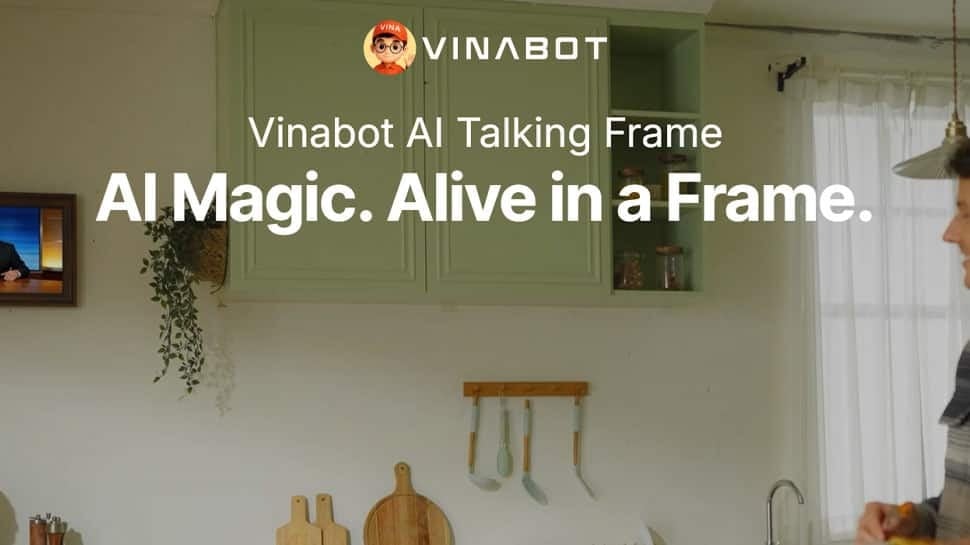
As if ruining our professional, personal, and mental states was not enough, AI is now deadset on ruining our childhood experiences, too. Remember those talking frames that featured in Harry Potter? Well, that has been the inspiration behind a talking picture frame. Vinabot Talking AI Picture Frame needs you to upload a photo and a short script, and it can turn any photo into a creepy AI video. This just seems like a very gimmicky product that uses AI to create videos, which is not really something mindblowing, given today’s AI climate.
SleepQ AI-combo drug: For pill-popping sleeping beauties who want their beauty sleep
Another odd AI product to have come out of CES this year is WLET’s SleepQ AI-combo drug. It might sound like some medicine or supplement, but it is actually a platform that basically tells you what may be the most precise time to take your sleep medication so that it would be most effective. And that is it. It does not make you sleep better by creating a specific drug or altering the chemistry of existing drugs, as the name might suggest. It does not even create some kind of white noise, which may help the user sleep.

The platform uses an AI engine called AgentZ, which analyzes real-world sleep data, including sleep logs, biometrics data, and daily activity, to then suggest the best time to take the sleeping pill prescribed by your health care provider, never mind that the health care provider (doctor) would have told you when to take it anyway! If they haven’t, just ask them – it would save you some expense and dependency on another AI platform. This sounds more like a glorified ‘reminder’ system more than anything, given the platform is making no real diagnosis or offering any additional medications.
WAN AI Ultra Chef microwave: No chef’s kiss for this
Does slapping an AI label on any home appliance make it more efficient? Well, not necessarily. The AI Ultra Chef microwave introduced by WAN at CES is proof of it. The microwave essentially does not change the outcome of your dish; it merely makes suggestions by analyzing what you are putting in. And well, there is a camera on the inside which allows you to see your food as it heats – no more looking through the microwave door as your food goes around.
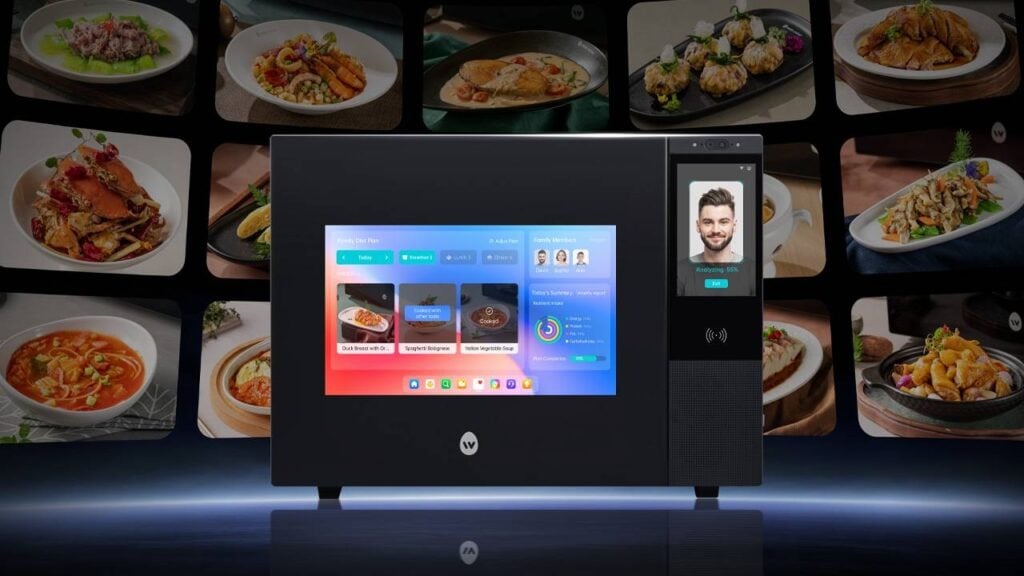
Apart from giving you cooking suggestions, the appliance can also count calories and plan meals, which can be done on an app too. It does not solve problems we all have with microwaves– uneven heating or food getting soggy. It is only an adviser, never mind the AI in it.

