

In Summary
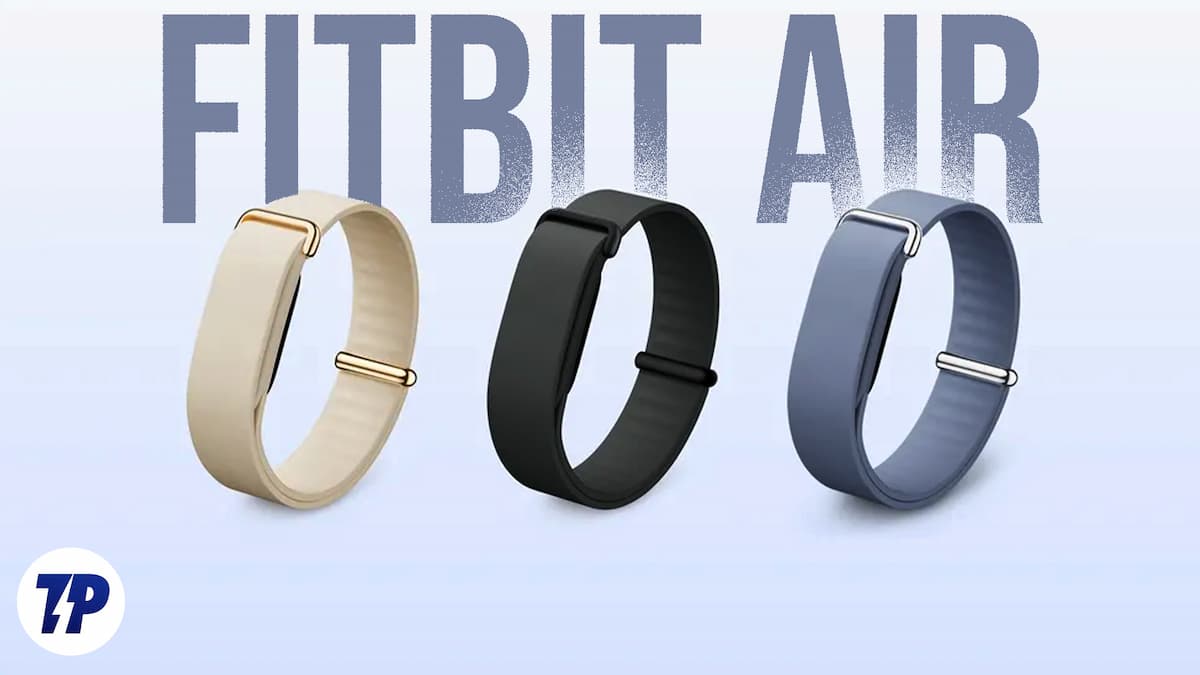
- Google recently launched a new fitness-centric wearable, the Fitbit Air, which is expected to take on the very popular Whoop fitness band.
- Google’s launch not only represents its entry into the display-less fitness tracker segment, but also reflects the emerging dominance of fitness trackers or basic wristbands in the wearables segment as compared to smartwatches.
- The overall growth of smartwatches with their own operating systems and app ecosystems is slowing down, and although the Apple Watch continues to dominate the smartwatch segment, it too has become more fitness-oriented.
When Google announced the Fitbit Air recently, it did more than just release a Whoop competitor. It also unofficially acknowledged a wearable trend: the era of the smartwatch was if not over, then slowly coming to an end. Or, if we were to be painfully blunt: the fitness tracker had beaten the smartwatch.
On the surface, that might sound outrageous. After all, the market is packed with smartwatches, and as per IDC, smartwatches recorded “solid growth” in 2025, with Apple and Huawei doing well. Well, in this case, as in many others, the numbers do not tell the whole story. Yes, smartwatch numbers have been steady for quite a while now, and the Apple Watch continues to be the boss of the smartwatch segment, but the smartwatch itself has changed. What started out as a communication device, or even a kind of micro-mini computer on our wrists, is now basically a health and fitness tracker.
In the beginning: the smartwatch as a “communication device”
If that sounds hard to believe, then let’s take a look at the device that is credited with starting the whole smartwatch revolution, the Apple Watch. In 2015, Apple described the Apple Watch in a press release in these words:
“Apple Watch is an incredibly accurate timepiece, an intimate and immediate communication device, and a groundbreaking health and fitness companion. Highly customizable for personal expression, Apple Watch also brings an entirely new way to receive information at a glance and interact with the world through third-party app experiences designed specifically for the wrist.”
The positioning of the OG Apple Watch was pretty clear: while it did have a very strong health and fitness component, it was essentially a communication device, allowing the user to stay in touch with the world. Being able to receive information and run third-party apps “designed specifically for the wrist” was an essential part of the smartwatch experience. There were many who felt that the smartwatch was a bit like having a phone on your wrist. Google and Samsung also came out with operating systems for their own smartwatch platforms.
The biggest casualties of the smartwatch revolution were the fitness trackers, the relatively affordable fitness bands (generically known as “Fitbits” after the brand that made them famous), which used to count steps and also provide very basic health and fitness information. A key reason for their fall in popularity was the fact that smartwatches came with bigger displays and, thanks to the availability of apps, were considered to be “smarter.” In fact, in the early years of the smartwatch era, many smartwatches that did not have their own operating systems and app ecosystem were looked down upon as “fitness watches” or “feature watches” (a term inspired by feature phones). These were not considered “proper” smartwatches, as they did not have their own apps and OS, and “only” tracked fitness and health.
The smartwatch today: no longer appy, but a health and fitness companion

The past few years, however, have seen this wearable wheel of fortune come full circle. While smartwatches are widely present, the “smart” component now seems to have been largely shifted to the background. Apps are no longer front and center in the smartwatch spotlight, and their place has been taken by health and fitness metrics, and AI coaches and apps. In short, the modern smartwatch is more about keeping track of health and fitness than about keeping in touch with the world and getting information.
This is reflected in the Apple Watch. The device that started out as an “intimate and immediate communication device” is now positioned as a health and fitness gadget. In Apple’s own words, taken from a press release about the Apple Watch Series 11:
“Apple Watch Series 11 is the ultimate health and fitness companion, empowering users with notifications for signs of chronic high blood pressure — also known as hypertension — plus new insights into sleep quality with sleep score, adding to the robust suite of health features included in the device. Featuring up to 24 hours of battery life and Ion-X glass that’s 2x more scratch-resistant, Apple Watch is more convenient than ever to wear throughout the day and night. watchOS 26 delivers more personalized ways to stay active, healthy, and connected with Workout Buddy powered by Apple Intelligence, the wrist flick gesture, new watch faces, and more.”

The change in emphasis is clear – smartwatches are now really all about being ultimate health and fitness companions. In short, they are what fitness trackers were once supposed to be. What was once considered to be a phone on your wrist is steadily morphing into a feature-rich fitness tracker with a bigger display. This is borne out by Counterpoint’s report on the smartwatch market in 2025, which indicated that while the Apple Watch had done well, HLOS watches, or watches with High-Level Smartwatch Operating Systems (which had their own operating systems and app ecosystems), had grown by just 1 percent, with both Samsung and Huawei seeing declines. Smartwatches are no longer about app-y fizz, it would seem. It is the era of fitness and health tracking, no matter how big a display you have, or in the case of the Whoop and the Fitbit Air,even if you do not have one at all.
Apps are passe, it is fitness and health monitoring time
This increased stress on fitness on the wearable front has also seen a revival of interest in the classic fitness trackers, which had been initially swept away by the smartwatch wave. The IDC report that showed that smartwatches had solid growth also indicated that “wristbands,” which generally comprise budget fitness trackers, grew at 14.7 percent, led by Xiaomi. What’s more, the segment was also showing signs of premiumization, with the success of brands like Whoop. Both the popularity of basic fitness trackers and their premiumization are set to continue, if the launch of the Fitbit Air is an indication.
Is the age of smartwatches as OS driven communication devices with their own set of apps over? Well, we cannot say for sure in the ever-changing world of tech, but as of now, it does seem as if the fitness tracker has beaten the OG smartwatch in the wearable war.

