

Quick Answer
- The Vivo V40 is another camera-centric smartphone from the V series. With the addition of Zeiss Lens to the standard model, the camera experience on this smartphone has reached the next level.
- While the cameras remain strong pillars of this smartphone, the battery life has also excelled. It offers more than 8 hours of screen-on time while maintaining its slim and lightweight design.
- The base model of the V40 with 8GB+128 GB starts at 34,999 rupees, bringing it closer to flagship killer territory. Is it the best choice for camera enthusiasts under 35,000 rupees? Let’s find out.
A few months ago, I reviewed the Vivo V30. It has impressive cameras. However, despite its impressive camera performance, it had a few shortcomings. It doesn’t come with stereo speakers, the standard variant doesn’t have the Zeiss optics found in the Pro Model, and there are noticeable stutters even in regular use. After five months, Vivo has announced the successor to the V30 series, the Vivo V40 and V40 Pro smartphones.
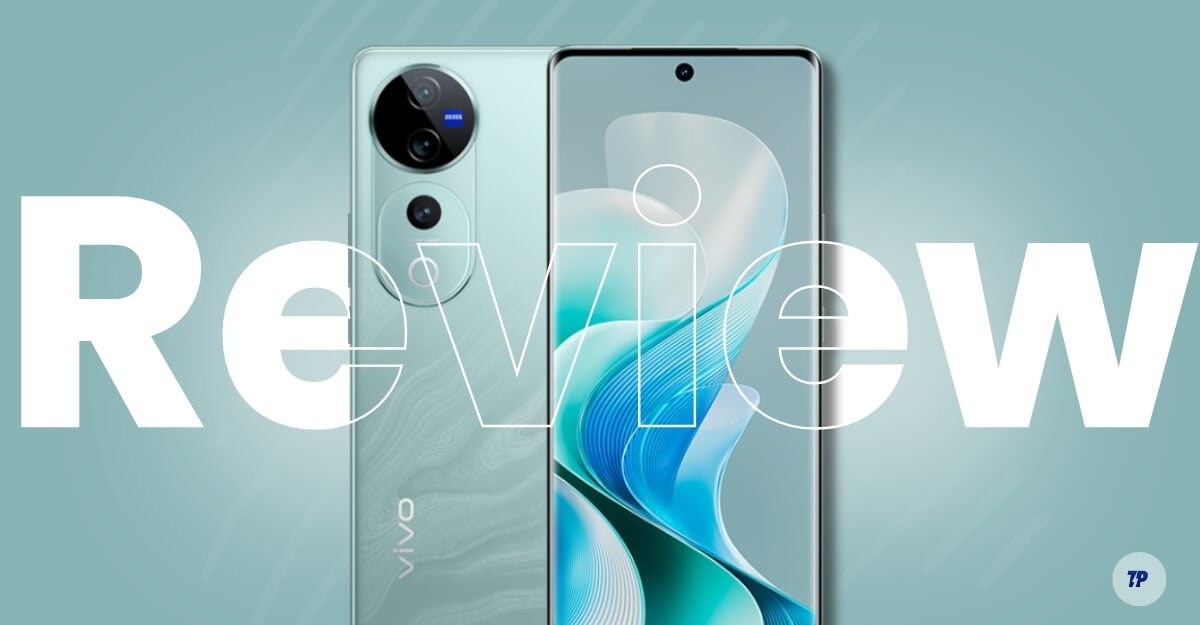
The Vivo v40 addresses all the issues that I had with V30. It now comes with a stereo speaker and a Zeiss Lens (previously only found on V30 Pro). Additionally, the performance has improved, with no noticeable lag in regular use. It also gets a price hike of 1000 rupees. The base model with 8GB + 128GB model now starts at Rs 34,999 and Rs 36,999 for the 8GB + 256GB model. The top variant, which comes with 12GB RAM and 512GB storage, is priced at Rs 40,999.
I’ve been using the Vivo V40 for the past two weeks. The cameras are undoubtedly impressive, and there is also another segment that has impressed me a lot. However, considering the smartphone’s pricing, which is close to the flagship-killer territory, does the Vivo V40 justify the price? Let’s find out in this review.
Table of Contents
Vivo V40 Specifications
Specifications | Vivo V40 Specs |
|---|---|
Dimensions & Weight | 164.16 × 74.93 × 7.58mm, 190g |
Display | 6.78-inch (2800×1260 pixels), 1.5K AMOLED, 120Hz, HDR10+, 4500 nits peak brightness |
Processor | Qualcomm Snapdragon 7 Gen 3 (4nm), Adreno 720 GPU |
RAM | 8GB / 12GB LPDDR4X |
Storage | 128GB / 256GB / 512GB with UFS 2.0 |
Operating System | Android 14 with Funtouch OS 14 |
Rear Camera | 50MP (main) ISOCELL GNJ sensor, OIS with ZEISS optics, 50MP ultra-wide camera. |
Front Camera | 50MP from camera with 4K video recording |
Speakers | USB Type-C audio, Stereo speakers |
Connectivity | Dual Nano SIM Support, 5G, Wi-Fi 6, Bluetooth 5.4. |
Battery | 5500mAh, 80W fast charging, USB Type-C Cable, 80 Watt-Fast charger included in the box. |
Vivo V40 Design: Taller, Wider, Shinier
The biggest strength of the Vivo V series is its design and slimness. The Vivo V40 continues this trend by being one of the slimmest smartphones, with just 7.58mm thickness and a weight of around 190g despite its 5500mAh battery.

Vivo V40 does look attractive in person. It comes in three colour variants: Lotus Purple, Ganges Blue, and Titanium Grey. I like the Lotus Purple colour, which looks unique and stands out among other colour options with minimal and subtle design. The Ganges Blue, which I’m currently using, is bright and an attention-grabber, while the Titanium Grey looks more standard with a minimalistic look.
Vivo changes the design of every V series smartphone, following a consistent trend. The Vivo V40 now features a new design, which Vivo refers to as the Infinity I camera module. It looks fine. The signature Aurora Flash has been redesigned as a smaller circular shape compared to the square design used in the Vivo V30.
The Vivo V40 has two cameras on the rear and a Zeiss logo on the camera module. When placed directly on a table, the camera module is slightly raised but doesn’t wobble much. The phone has a glass back and front, with aluminium alloy on the sides.
Vivo hasn’t provided details about the protection used. I haven’t noticed any scratches on the back after using the phone without a case for a week, though it is a fingerprint magnet. However, the fingerprints are only visible under certain lighting conditions.
In terms of in-hand feel, the Vivo V40 has similar dimensions to the Vivo V30, but it feels wider and bigger in hand. I have no issues while using the smartphone, but If you have small hands, you might find it challenging to use the smartphone with a single hand. The power and volume buttons are on the right side, slightly lower for easier reach. The bottom houses the Type-C port and the ejectable dual Nano SIM tray. The Vivo V40 is also IP68 water-resistant.
Vivo 40 Display: Bright, Vibrant and Can Go Peaks
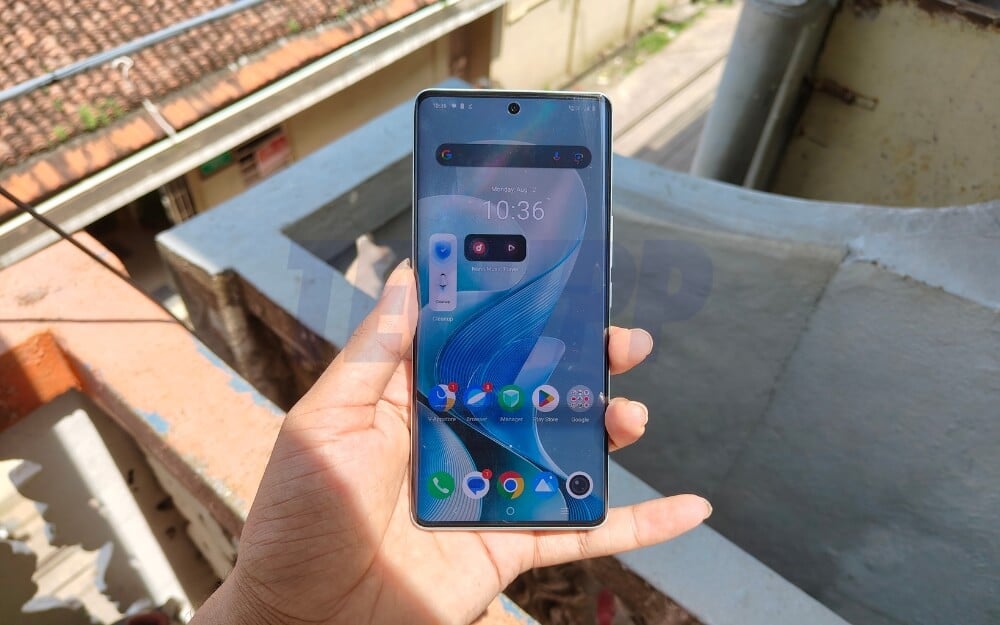
The Vivo V40 features a 6.78-inch 1.5K Super AMOLED curved display with a 120Hz refresh rate. The display is sharp and offers punchy colors with deep blacks. The default display tone is standard, but you can switch to a more vivid mode for richer colors. The display resolution is set to Full HD by default, but you can bump it to 1.5K. However, switching to 1.5K degrades the smartphone’s performance, which you may notice through lower refresh rates and other issues.
Watching videos and reading text is delightful on this screen. If you like high-contrast-looking coots, an Eye Color Enhancement feature further boosts colors for a more immersive viewing experience. However, it’s currently only supported by a few apps, such as YouTube, default media playerVideo, and Netflix.
The display can reach 4500 nits of brightness. It is visible even under direct sunlight. It also gets dim, making it comfortable to use during bedtime. It has a 120Hz refresh rate, and system animation makes the device pleasant. It also has a smart switch mode, which automatically adopts the display refresh rate of 60Hz or 120Hz, depending on the content on the screen.
The display also supports HDR 10+. However, the experience isn’t good while watching 4K HDR content on YouTube. This only happens for a few videos. When I set the video resolution to the Max (2160p60 HDR), The video lags and is barely unwatchable. This issue might be related to the limitation of the Snapdragon 7 Gen 3 processor. However, it is only limited to a few videos. It supports Widevine L1 DRMit for streaming services like Netflix and Amazon Prime Video. HDR content plays without any issues on other apps.
Vivo V40 Performance: Improved but Still Not Solid
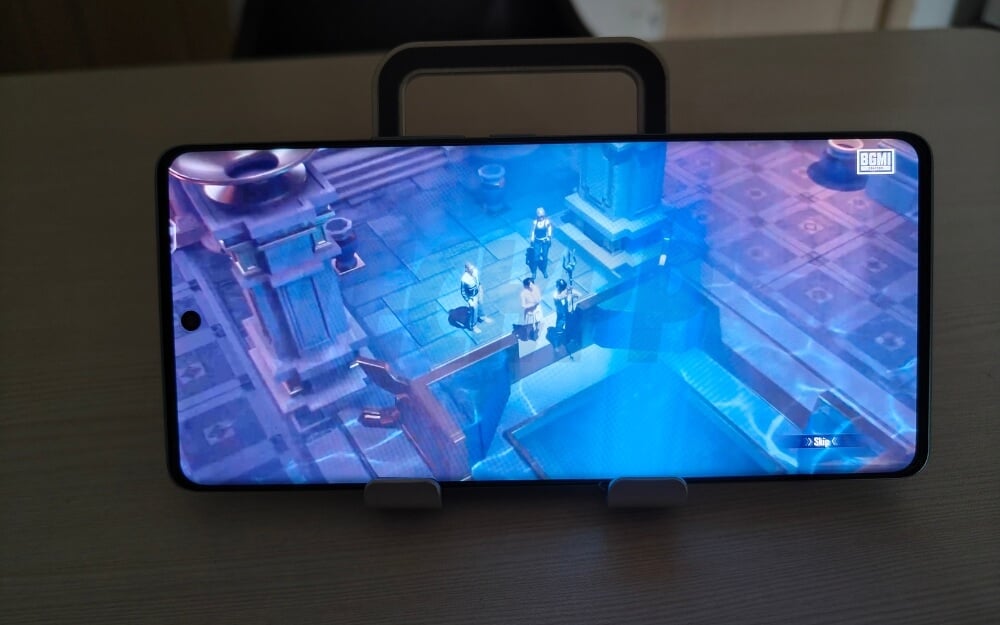
The Vivo V40 comes with the same Snapdragon 7 Gen 3 processor, which is also found on the Vivo V30. My experience with this processor on the V30 was not good; even in regular use, I faced stutters and lags for most basic tasks. However, this is not the case with the V40. The performance of the Vivo V40 seems to have improved. I haven’t noticed any stutters. It handled day-to-day tasks smoothly and offered a good gaming experience, especially with resource-intensive games like BGMI and Infinite Flight Simulator. The device does get slightly warm after extended gaming sessions, but it’s manageable and doesn’t significantly affect performance.
Here are the benchmark scores I obtained on the Vivo V40.
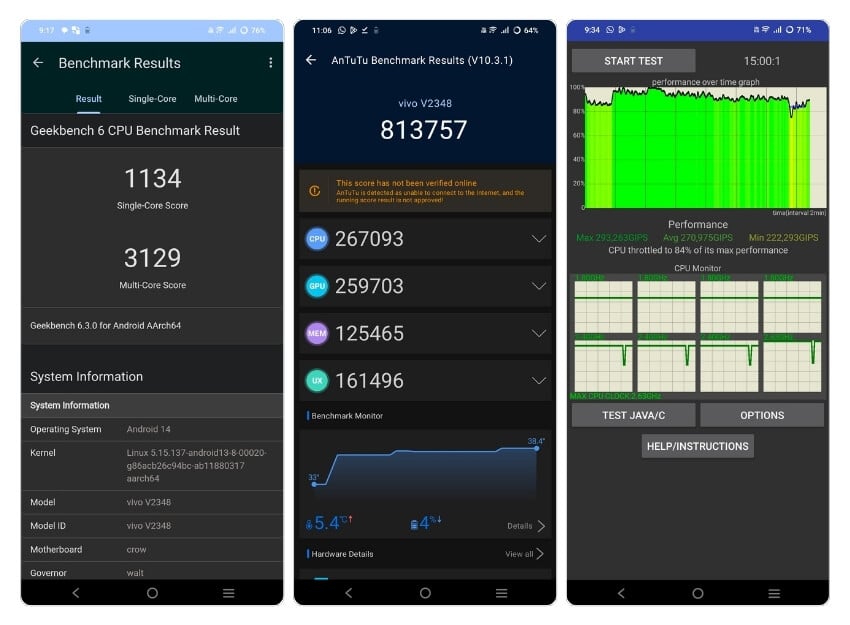
Overall, the performance is solid, though not as strong as other smartphones at a similar price point. If you prioritize performance, alternatives like the iQOO Neo 9 pro with flagship processor, Poco F6, or the Realme GT6, equipped with Snapdragon 7+ Gen 3 and 8s Gen 3, offer flagship-level performance.
Regarding RAM and storage, the Vivo V40 comes in two RAM variants and three storage options. However, it uses LPDDR4 RAM and UFS 2.0 storage, which are slightly lower versions than in some competing models. However, it doesn’t affect real-world usage; Vivo V40 with the UFS 2.0 has better read and write speeds than Nord CE 4, which comes with the USF 3.0.
Vivo V40 Software: More Improvements, Dark Patterns and Suggestions
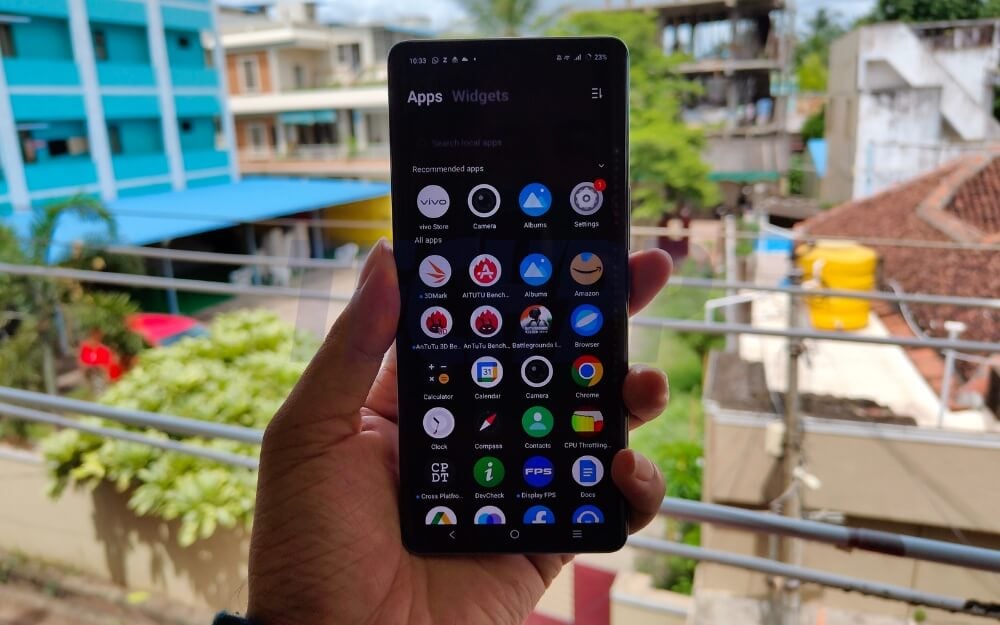
The software on the Vivo V40 is generally good, but there are a few annoying aspects, especially the dark patterns that can appear during the smartphone setup. Like many other budget smartphones, including Realme and OnePlus, Vivo also includes these dark patterns that prompt you to enable app recommendations and other unwanted content suggestions. It is important to pay attention during the initial setup and disable those settings as needed. If you miss these options during the initial setup, you can still disable them later in the settings.
The Vivo V40 runs on FunTouch OS 14 on top of Android 14, which is highly customizable and includes features like app locking, call recording without announcement, dual apps, and more. Vivo has committed to providing 3 years of Android updates and 4 years of security patches for the V40. Generally, Vivo’s update schedule is reliable, and the V series tends to receive faster software updates than other smartphone series from Vivo.

However, there are some drawbacks to the software experience. While FunTouch OS offers a range of features and smoother system animations, it also includes dark patterns and ads within the UI, which can be disappointing, especially for a smartphone priced at Rs 35,000. Fortunately, you can disable ads and unwanted suggestions from the settings. Many users might overlook this step and continue using the smartphone with unwanted suggestions.
Vivo V40 Camera: Zeiss Marvel
The biggest advantage of Vivo V series smartphones is their cameras. The Vivo V30 had incredible cameras, and the Vivo V40 further improves the camera capabilities with the Zeiss lens support. The Vivo V40 has a 50-megapixel main camera and a Samsung GN5 sensor. It also supports optical image stabilization (OIS) for steady shots. It also features a 50-megapixel ultrawide camera that supports 4K video recording and a 50-megapixel front camera that supports 4K recording.
The smartphones take really good shots in the daylight. In my tests, I compared it against the Realme 13 Pro+ (One of the best cameras). The Vivo V40’s camera even outperformed Realme 13 Pro Plus various scenarios. The level of detail, colour accuracy, and dynamic range in photos taken with the Vivo V40 are impressive, making it one of the best choices for photography enthusiasts in this price range.
The Vivo V40 captures detailed, vibrant images with good colour accuracy and sharpness in daylight. In the first image, I pointed the camera directly against the sun, which retained detail in the highlights (around the sun) and the shadows (in the trees and water). However, there is a noticeable lens flare from the sun, which can happen with any camera.
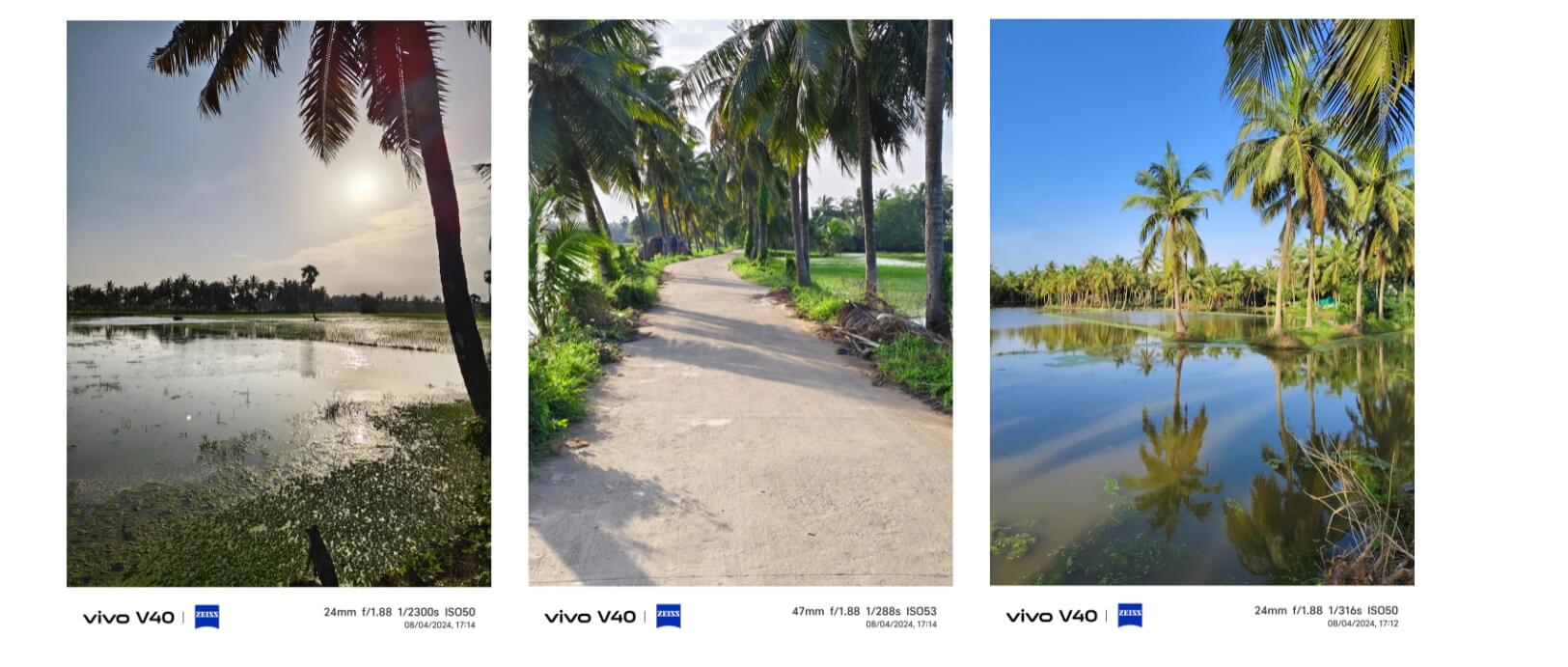
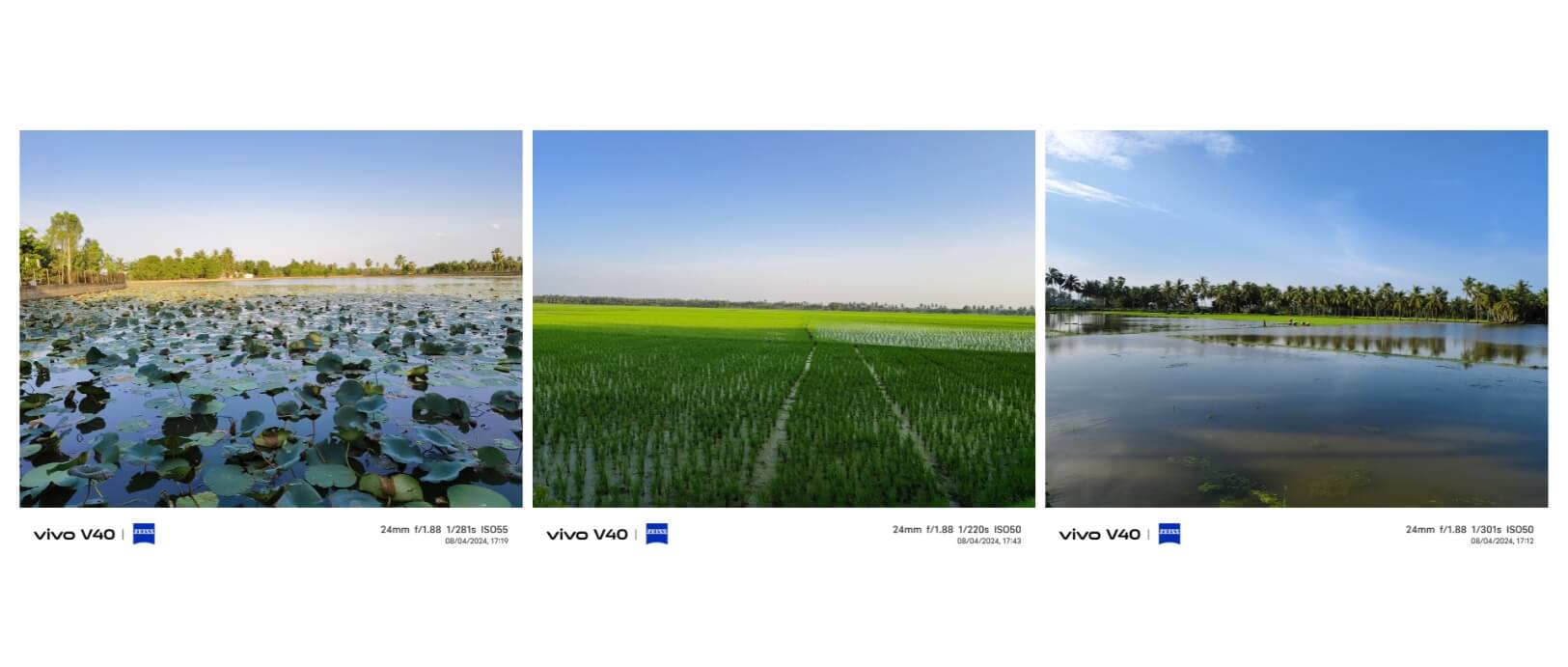
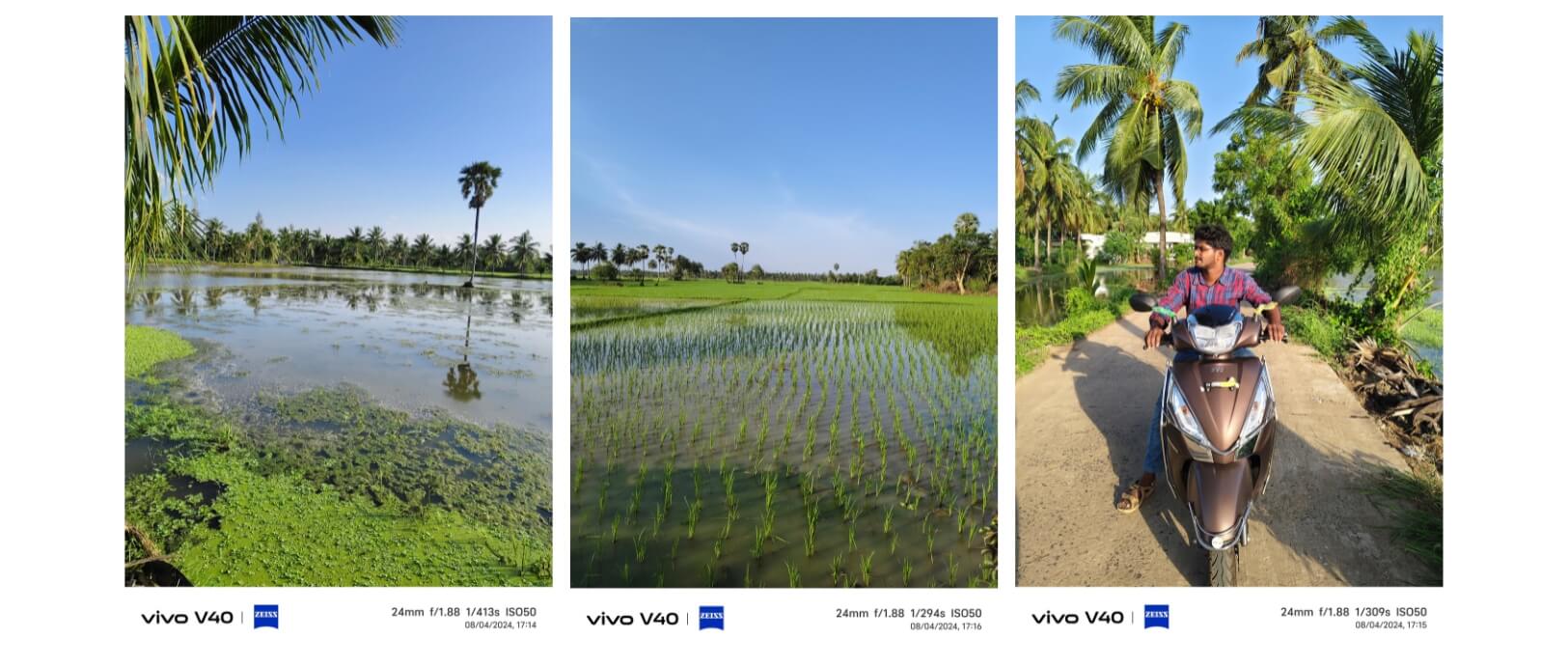
The camera continues to show strength, offering more details and sharpness in the daylight samples. The image captures good detail. The colours are rich and sharp. Also, as with the dynamic range, it retains detail in the highlights (sky) and shadows (under the leaves and water). If you want more natural-looking images, use the Zeiss natural mode.
The same happens in the second image; It captures precise details of the paddy plants and the texture of the field. The colours are vibrant, and the dynamic range is good. It captures details in the bright sky and the shadowed areas in the field. The same is the case with the third image. The image is sharp, with clear details of the coconut trees and an excellent dynamic range.
The night shots from the Vivo V40’s rear camera are not as detailed or sharp as the daylight samples, but they still capture good images. Most photos are bright and capture decent detail. The colours are vibrant. The dynamic range is The dynamic range is decent, with a good balance between the highlights and shadows. In most cases in the night shots, the Noise is well controlled in the well-lit areas. However, the image misses details, especially in the darker areas.
Most cameras I have tested struggle in the second scene, especially when shot in the dark. However, Vivo V40 does a great job in this challenging situation. The image is better than most cameras I have tested. First, it offers more details; the bridge and its reflection in the water are sharp and detailed. The dynamic range is good, with the lights on the bridge well-controlled and the darker areas retaining some detail.
 In the third image, the mobile captures the church’s structure with sharp details. However, the dynamic range is somewhat lacking, and the clock area is overexposed. I tried to take the shot three times to see if there was an issue, but in all three instances, the camera overexposed and missed details in the clock.
Images taken with the front camera show impressive detail and natural-looking colors while handling dynamic range quite well. In the first image, I tested the camera by placing the phone against a bright background, and it managed the dynamic range effectively, producing natural colors with no overexposed areas. However, the skin tones appear more brighter
 The front camera also performs well in low-light conditions, especially with the screen flash, as the device does not have a dedicated front flash. It captures details and also brightens the face. The colors, even during the night, are close to natural, especially when there is enough light.
Let’s get to the real magic of ‘Ziess’: the unique Zeiss portrait modes. With the series of portraits, you can capture unique portrait styles. I particularly like the Cine Flare and Cinematic Bokeh Flare styles. The results are impressive, and I highly recommend trying these camera features if you get the Vivo V40. Here are a few samples. You can change the styles and adjust the bokeh effect. I am not a professional, but still, if you are like me, you can capture stunning DSLR-like portrait shots using this smartphone.

Overall, it is obvious that the V series is a camera-centric smartphone line, and while the Vivo V30 was impressive, the Vivo V40 continues to impress with its cameras. The Zeiss support further enhances the camera experience, even in low light. For videos, it can record 4K videos on front and back cameras. The colors and dynamic range are similar to those in the photos, with good detail. It supports OIS, which captures steady videos.
View high-resolution camera samples from here: Link
Vivo V40 Battery Performance: Rock Solid
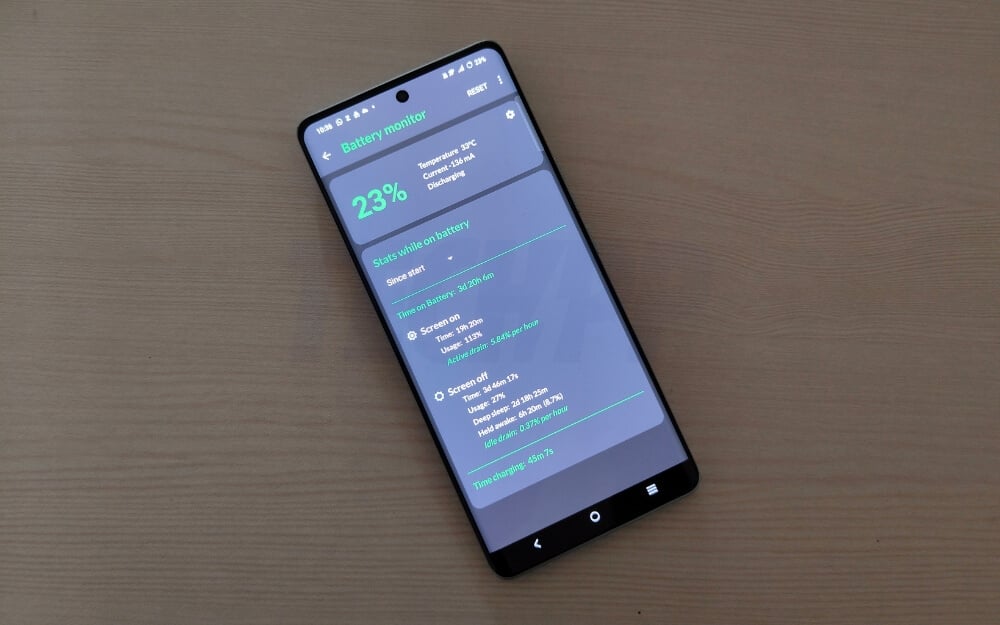
The Vivo V40’s battery performance is outstanding. It comes with a 5500 mAh battery. On average, for normal use, that includes messaging, reading pages, and watching videos on YouTube; for me, it lasted more than 12 hours. Regarding gaming and running resource-intensive tasks, the smartphone lasted about 8-9 hours, which is solid.
I played a continuous YouTube video for 8 hours to test the battery further. Before going to bed, I started the test with a 100% battery, and after 7:49 hours of YouTube video, the battery dropped to only 47%. Additionally, the Vivo V40 has an 80W super-fast charger in the box, capable of charging the device from 0 to 100% in about an hour. In my testing, it took 1 hour and 2 minutes to charge the battery from 0 to 100%. Overall, the Vivo V40’s battery life has exceeded my expectations, making it a standout feature of the device.
Vivo V40: Finally Stereo Is Here
One of the major concerns I had while using the Vivo V30 was the media playback experience, primarily due to the lack of stereo speakers. The sound mostly felt unbalanced and lacked depth. However, Vivo has addressed this issue in the Vivo V40 by adding proper stereo speakers with better separation. The earpiece now doubles as a secondary speaker, providing a more immersive audio experience just as loud as the primary speaker. The stereo speaker support greatly improves the overall media experience, whether you’re watching movies, YouTube, or other content on the Vivo V40. Like other Vivo smartphones, the V40 does not include a headphone jack.
Vivo V40 Review Verdict: Should You Buy It? Best Smartphone Under Rs 35,000
User Type | Vivo V40 | Realme GT 6T | OnePlus Nord 4 | POCO F6 | iQOO Neo 9 Pro |
|---|---|---|---|---|---|
For Casual Users | 4.3 | 4.2 | 4.0 | 4.2 | 4.1 |
For Power User | 4.2 | 4.5 | 4.3 | 4.5 | 4.6 |
For Photography Enthusiast | 4.5 | 4.3 | 4.1 | 4.0 | 4.4 |
For Young Professional and Student | 4.3 | 4.4 | 4.2 | 4.3 | 4.3 |
For Parent and Elderly | 4.2 | 4.2 | 4.1 | 4.2 | 4.2 |
For Budget-Conscious | 4.2 | 4.3 | 4.3 | 4.5 | 4.4 |
The Vivo V40 is another impressive camera smartphone from Vivo’s V series. It delivers exceptional camera performance, capturing stunning shots day and night. Vivo has also added J optic support to the standard model, enhancing the camera’s capabilities by including a J lens and J natural mode, further elevating the overall camera performance.
In addition to the camera improvements, Vivo has addressed previous concerns from the Vivo V30 by adding stereo speaker support and boosting performance despite using the same processor. The Vivo V40 has a 5000mAh battery in a slim design, offering exceptional battery life.
However, the Vivo V40 now has a price increase of Rs 1,000, bringing the base model (8GB + 128GB) to a starting price of around Rs 35,000. At this price point, the Vivo V40 offers incredible cameras, solid performance, great battery life, and a stylish design.
But, this pricing puts it close to the “flagship killer” category, where smartphones like the iQOO Neo 9 Pro and others in the same segment offer stiff competition. To help you decide, the Vivo V40 is a great choice, especially if you’re looking for the best camera smartphone under Rs 35,000 in India. If you want better performance, go for the iQOO Neo 9 Pro. If you want a more affordable option with better cameras, go for the Realme 13 Pro Plus. If you want solid performance along with the above cameras, go for Realme GT 6T. For gaming, pick Poco F6. For better software experience along with metal build quality, go for OnePlus Nord 4.

