

In Summary
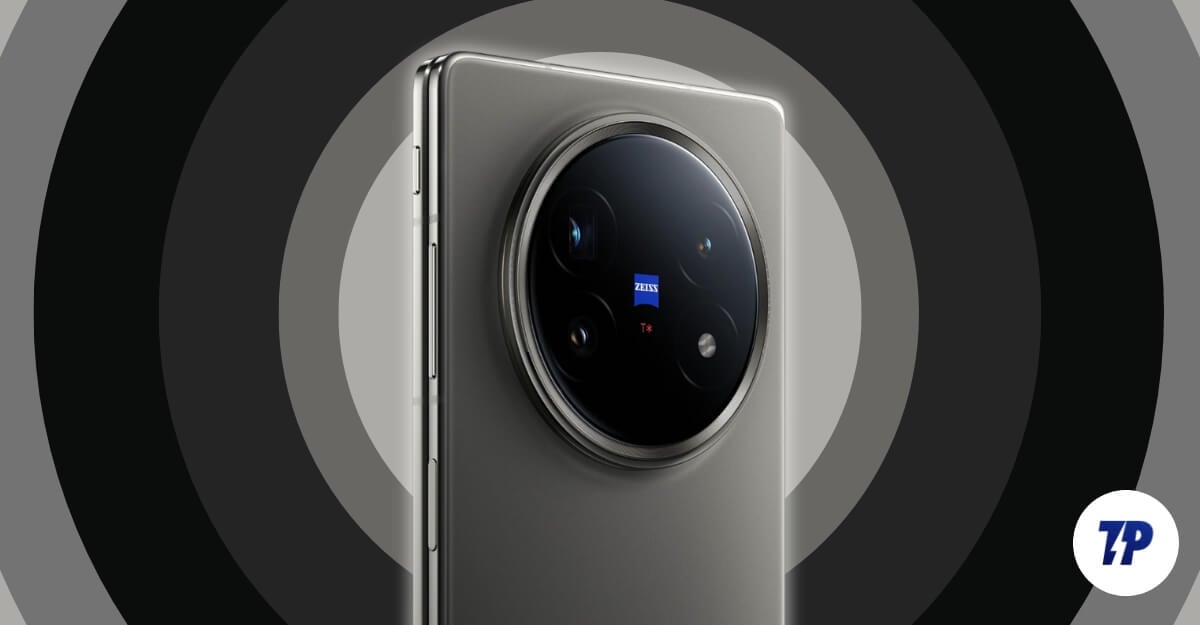
- Samsung recently announced Galaxy Z Fold 7, marking six years since the company announced its first foldable smartphone, the Galaxy Fold, in 2019.
- Foldable Smartphones are still considered a new and premium technology and cost more compared to the regular flagship smartphones. They are still in the early growth stage of adoption, and currently, only a few brands produce them.
- If you are looking to buy a foldable smartphone and want to know if they are durable, worth the price, and how useful they are compared to regular flagship smartphones. I am going to answer all your questions about foldable smartphones after using the Vivo X FOLD 5 for 2 months.
It was 2019 when Samsung unveiled its first foldable smartphone. At the time, I was in my first year of college with an Asus ZenFone 5z in my pocket. Unfortunately, the launch turned rough for Samsung, as several review units began experiencing display issues just days after release.
Samsung indefinitely postponed the launch of the first Galaxy Fold and recalled all review units. That incident dampened excitement around foldable smartphones and raised doubts about their ability to withstand regular use.
Samsung later fixed those issues and relaunched the Fold 1 the same year, initially claiming sales of 1 million units—though that figure was later revised to 400,000, which is still impressive for a brand-new product category at such a high price.
While durability was the biggest concern back then, Samsung has continued refining its foldables. Today, foldable smartphones are very close to mainstream smartphones, yet the question of their real use case and who they truly serve still lingers for many users.
I had these questions until two months ago, before using the Vivo X Fold 5 as my daily driver. After using the X Fold 5, I not only found the use case of foldable smartphones but also realized the potential of their existence, which can change the future of our smartphones altogether. If you are reading this, you might be considering buying a foldable smartphone and looking for an answer: Are foldable smartphones ready for everyone? My answer would be almost ‘Yes,’ but it’s definitely not as simple as that.
So stay with me, and by the end of this guide, we will try to answer the question.
Table of Contents
The Evolution of Foldable Smartphones
The first consumer-available foldable smartphone was announced by Samsung in 2019, the OG Galaxy FOLD 1. Today, we’re already in the 7th generation of foldables. I’m highlighting Samsung because it was the first company to launch a foldable and remains the only one with seven iterations under its belt.

Recent foldable smartphones like the Samsung Galaxy Z Fold 7 and Vivo X Fold 5 have already addressed most of the issues that early foldables were criticized for. But one thing hasn’t changed — foldable smartphones are still significantly more expensive than regular phones.
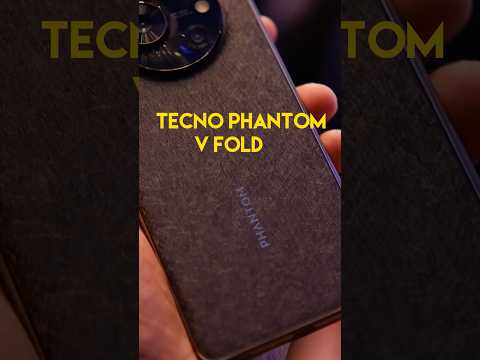
That, however, is beginning to shift. We’re now seeing more affordable foldables enter the market. For instance, Tecno’s latest foldable is priced at Rs 88,888 (under $1000), nearly 50% cheaper than premium models like the Vivo X Fold 5 and Samsung Galaxy Z Fold 7.
If you are someone looking to buy a foldable smartphone, here is everything that you need to know.
The Current State of Foldable Smartphones
Durability Issues – Almost Fixed, But…
One of the biggest concerns about foldable smartphones is their durability. While brands have significantly improved the durability of their initial versions, despite these improvements, even daily durability is one of the concerns in the foldable smartphone because of the mechanics built in.
PSA: There's a layer that appears to be a screen protector on the Galaxy Fold's display. It's NOT a screen protector. Do NOT remove it.
I got this far peeling it off before the display spazzed and blacked out. Started over with a replacement. pic.twitter.com/ZhEG2Bqulr
— Marques Brownlee (@MKBHD) April 17, 2019
Foldable smartphones have a hinge mechanism. The modern hinge systems on these phones promise a minimum of 2 lakh fold cycles. For example, Samsung, with its Galaxy Z Fold 7, promises up to 2 lakh fold cycles, and vivo, with its X Fold 5, promises 6 lakh foldable cycles. If I made roughly 100 folds a day, it translates to 16 years, which many of us don’t do every day. In my two months of usage, I roughly made about 15 to 17 folds a day, which, according to the claims, can last more than 20 years.
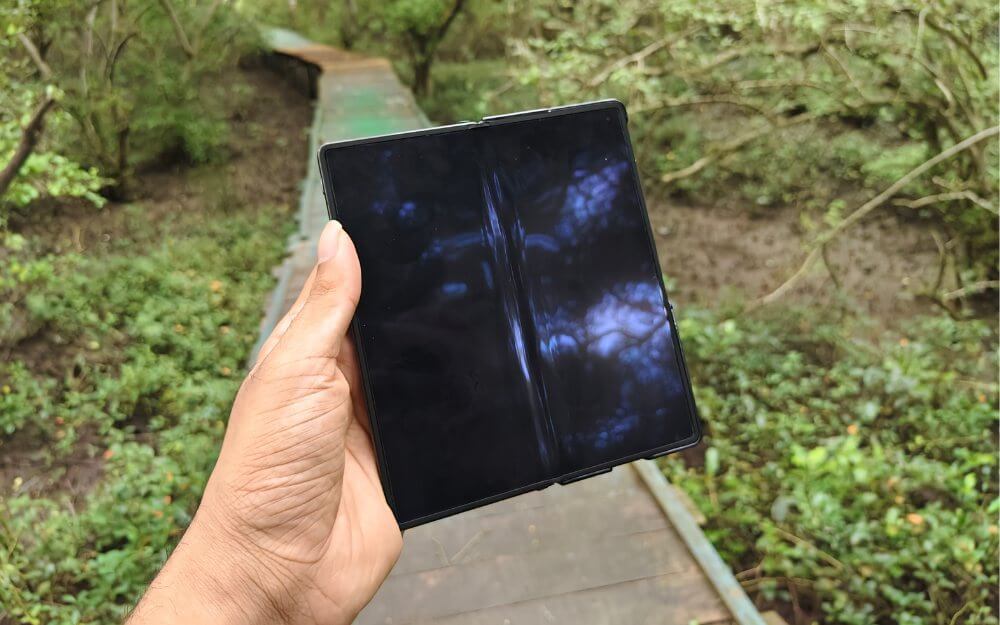
Another significant part of the foldable smartphone is the screen, which has now also improved significantly compared to the previous generations. Instead of all plastic material, the latest foldable smartphones use a thin glass layer on the top of the display that can better withstand scratches compared to a plastic screen.
Latest foldable smartphones also come with an IP rating. For reference, the recently announced Google Pixel 10 Fold comes with an IP68 rating similar to the IP rating found on the iPhones and Samsung Galaxy S25 Ultra, meaning that it can withstand dust and can also be submerged in water. The Vivo XFold 5 I am currently using comes with IP59.
In my two months of use, apart from the dust particles in the corners, there haven’t been any issues with dust particles entering the screen. I live beside the road, which means I’m more prone to dust, and a foldable smartphone has been able to survive without letting these particles enter the screen.
Vivo is also bundling a useful case smartphone which covers the hinge, which can be handy to prevent particles from directly entering your inside the screen. So, if you are using a foldable, I would highly recommend getting a screen case that covers the hinge completely.
But still, I have to admit that foldable smartphones are still not as solid as regular smartphones; you won’t feel that confident while holding and using your smartphone, despite these durable claims.
Somewhere, you still feel vulnerable and automatically handle this smartphone carefully. For instance, I throw my phone onto the bed every time as soon as I get home, but with the foldable smartphone, I was a bit careful and placed the smartphone carefully on the table.

Another vulnerable component in a foldable smartphone is the display, which is still the major concern of foldable smartphones. Despite using better materials, the folding screen is still one of the sensitive parts of the foldable smartphones.
The latest foldable smartphone uses a thin glass layer protection to better protect it from scratches; however, the inner screen still has a plastic layer and can get scratched easily, even with your fingernails.
Because of this, Samsung has also removed the stylus support in its recent foldable smartphone, addressing the display concerns. And frequently folding and unfolding the screen might also bring grease over time.
Related: Samsung Galaxy Z Fold 3 Long-Term Review
Screen Grease – Almost Gone, But Still Present
Display grease is one of the major factors that people are concerned about with foldable smartphones, and I am happy to report that this is no longer an issue on modern foldable smartphones.
The screen grease is almost invisible unless you look at the display at a certain angle.

However, you can still feel it on your finger is scrolling through the centre of the screen. However, because of folding and unfolding, foldable smartphones can develop grease over time.

Slimmer Than Most Current Flagship Smartphones, But Still Bulky
Since foldable smartphones combine two screens, their designs are naturally bulkier. However, modern foldables have become slimmer and more refined, making them feel almost like holding a regular smartphone.
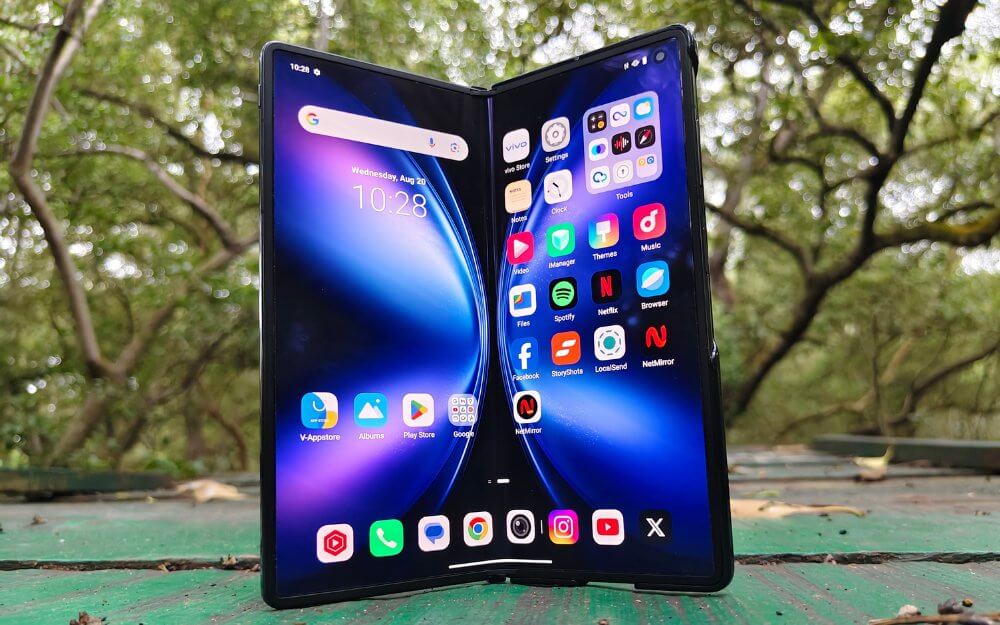
Chinese foldable smartphones have always been at the forefront of bringing incredibly thin and light hardware for foldables. And recently, with the Galaxy Z Fold 7, Samsung also adopted a thinner design, making it extremely comfortable to hold and use.
Battery Life is Excellent, But With Limits
Battery life has always been a concern with foldable smartphones, but modern models have largely addressed this issue. Apart from Samsung’s foldables, which still use a 4000mAh battery, the Vivo X Fold 5 manages to pack a 6000mAh cell that easily lasts a full day, thanks to silicon-carbon battery technology. Even the Samsung Galaxy Z Fold 7 (Z Fold 6 review), despite having the smallest battery, delivers decent endurance as reported by many users. This suggests battery life on foldables is finally catching up, and going forward, we can expect larger capacities with even better performance.
Upgraded Cameras and a Unique Advantage for Selfies
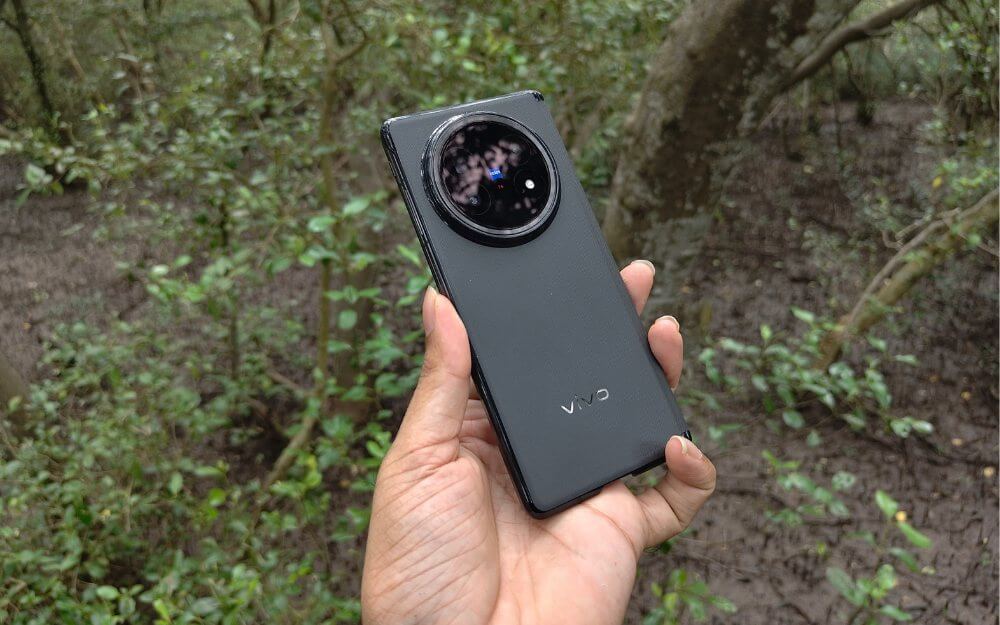
Cameras on foldable smartphones have also been upgraded, thanks to better space utilization. The Vivo X Fold 5 I’m currently using even includes a dedicated periscope lens for capturing detailed shots. Most foldables now feature high-end camera setups that deliver images nearly on par with, if not better than, regular smartphones. For instance, here are a few samples I captured with the Vivo X Fold 5.


Another big advantage of foldable smartphones is the ability to use the main camera as a selfie shooter. This lets you capture high-quality photos and videos, with the added benefit of a preview screen to adjust your framing. It’s especially useful for vloggers and anyone who wants top-notch selfies and video quality.
Powerful Multitasking Software Features for Power Users
Software is equally important on foldable smartphones, especially to better use the large displays, and most foldable smartphones run on the latest Android OS with useful multitasking features.

There are no major complaints about software issues apart from issues in a few apps, which can be easily fixed with an update. For instance, the workbench feature of the Vivo X Fold 5 lets you use different apps simultaneously, aligning with other useful features.
Price is Still Much Higher Compared to Regular Flagship Smartphones
Foldable smartphones are still in the introduction and growth stage, which keeps their prices on the higher side. However, competition is increasing, and we may soon see models priced under ₹1,00,000 ($1000). From my interactions, the biggest barrier for most people is cost. Even my brother wanted to buy a foldable smartphone, but the high price held him back.
Foldable Smartphones Aren’t for Everyone, but They Excel in Specific Cases
While foldable smartphones have evolved, however, the use case for these devices is still a big question, and honestly, these aren’t for everyone. Here are a few cases where having a foldable smartphone can completely nail the experience.
A Treat for Multitasking Users and Content Consumers
First is the proper multitasking support for the power users, which is obvious since the extra-large screen inside brings a lot of bigger display with a lot of space, and the useful software features bring better multitasking to power users.
Next is the tablet experience in a smaller form factor, meaning that you get to carry a bigger display in a small form factor.
I love watching content on bigger screens because of this, I also own a 12.9-inch iPad Pro, which I carry everywhere I travel to watch movies, but carrying this huge tablet is always a hassle.
But after shifting to the Vivo X Fold 5, I no longer carry my iPad with me and replaced it with my Vivo X Fold 5, and because of its portability, it is easier to carry with no compromise on display quality.

And not only as my travel companion, Foldable smartphones have also replaced my iPad for reading books and watching content and movies, video editing, and also making document edits.
You Can Replace Your Kindle with a Foldable Smartphone
The best use case of a foldable smartphone is reading. If you are a bookworm and if you read digital books or PDFs, any documents, blogs, or articles, foldable smartphones can be a game-changer. It is also a replacement for your Kindle with a proper book-reading setup.

Immersive Gaming Experience
Gaming on a foldable smartphone is truly next level. There are two reasons for this: first, the size, unlike tablets, which are often big and bulky and are quite uncomfortable for gaming that involves a lot of movement, and second, the flexibility of switching screens. You don’t need to carry two devices.
On foldables, you can instantly start switching to the large screen and enjoy an immersive gaming experience.
On top of that, unlike plenty of tablets (excluding iPads) use low-end hardware, which might not be great for gaming. Since foldable smartphones use the latest powerful hardware, they can also offer the best gaming experience, similar to a gaming smartphone.
The Vivo X fold 5, which comes with last year’s processor, Snapdragon 8 Gen 3, I had no issues while gaming on this device. The game was smooth, and it can handle heavy graphics games easily without breaking a sweat, and you can easily switch to a smaller form factor whenever needed.
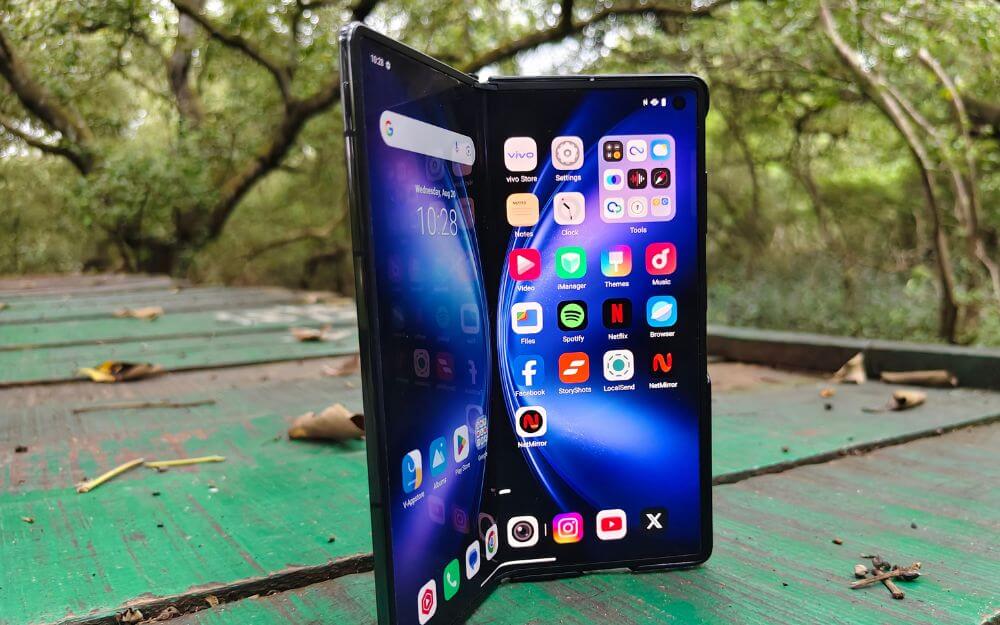
And finally, you don’t need to switch to your computer for minor tasks like document editing that require a big screen; you can simply use the bigger screen on the foldable to easily edit your documents. I completely edit my blogs on my foldable smartphone without switching to my laptop now.
Don’t Buy a Foldable Smartphone If You Want a Compact Device
Foldable smartphones are not ideal for those seeking a simple, compact, and easy-to-carry device. By design, they are taller and feature dual screens, making them a bit uneven to hold—especially if you want the convenience of a compact phone. Even the slimmest foldable still feels bulky in hand and is less comfortable to use compared to compact models like the OnePlus 13s.
Trade-offs in Resale Value and Repairability
The resale value of foldable smartphones is quite low due to long-term durability concerns, which weakens second-hand demand compared to regular smartphones. Over time, issues such as hinge wear and fragile displays increase the chances of failure. Unlike standard devices, foldables require specialized parts, making repair costs significantly higher.
Foldable Smartphones Might Soon Become Mainstream
Soon, foldable smartphones might become mainstream, as plenty of rumors suggest that Apple could launch one in the next couple of years. Currently, only a few brands produce foldable smartphones, including Samsung, Oppo, Vivo, and OnePlus. Since foldables are still in the early stages of adoption, I am confident that in the coming years they will become more common than regular smartphones. More people will adopt them, and more brands, including Apple, will likely add foldables to their lineup.
With all the pros and cons I’ve mentioned, here’s a detailed buying guide to help you decide whether a foldable smartphone is right for you, the current state of foldables, and why it matters.
Who should buy a foldable smartphone?
- If you can afford and want a phone and tablet in one device.
- If you read a lot of PDFs, ebooks and magazines
- If you want a tablet that is easy to carry and fits in your pocket.
- If you consume a lot of content
- If you have a second phone and want a foldable smartphone for fun.
- You do a lot of gaming while multitasking
- You want to shoot the best selfie camera and do vlogs.
- You have the budget to buy foldables, don’t mind the price of the premium
- You like big screens and don’t like compact smartphones
Who should not buy the foldable smartphone
- You prefer one-handed usage
- You want a simple, compact smartphone with no strings attached
- You want long-term reliability without repair costs
- You change phones often, and the foldable resale value is currently low
- You prefer ultra-slim and lightweight phones
- You don’t use split-screen or multitasking features on your phone

