

In Summary
- The Indian Government has recently introduced a new gaming-related Bill in Parliament, which was immediately passed in both houses and even received the President’s assent, all within three days.
- The Promotion and Regulation of Online Gaming Bill, 2025, is quite literally a game-changing act that puts a blanket ban on real money games played online, while looking to promote social and educational games along with e-sports.
- While the objective of this act is to have a legal framework that can protect users and the state without any loopholes, it is unfortunately likely to cause a massive economic disruption in one of the largest online gaming markets in the world.
India is home to one of the fastest-growing online gaming markets in the world. As per a report released by WinZO Games and IEIC at the Game Developers Conference (GDC) in San Francisco, 2025, India’s online gaming market revenue was USD 3.7 billion in 2024, and was expected to more than double to USD 9.1 billion by 2029.
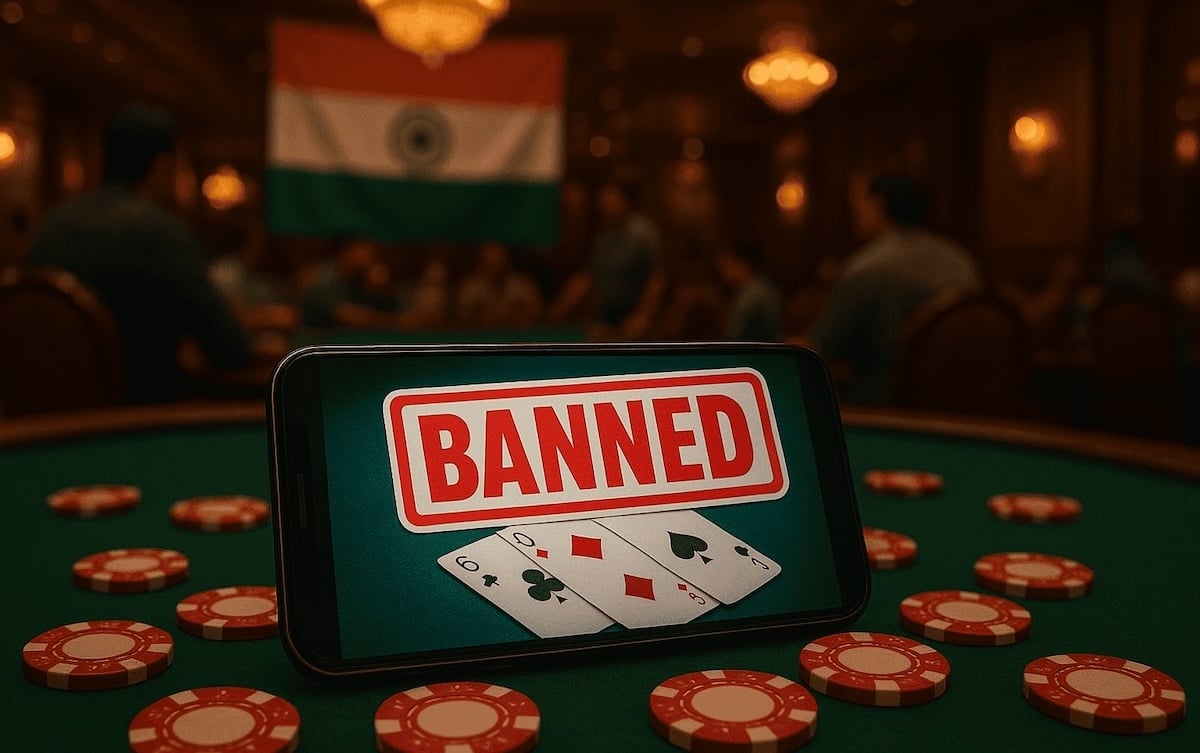
Well, that could change.
August 2025 witnessed literally a game-changing Bill being passed in the two houses of the Indian Parliament – the Promotion and Regulation of Online Gaming Bill, 2025. It was passed swiftly on August 20 in the Lok Sabha, and was passed with similar speed in the Rajya Sabha on the following day, becoming an Act after receiving the President’s assent on August 22. The primary aim of the act? To ban real money games (RMGs) online and push social games and e-sports. When you consider that the real money gaming segment accounts for about 86 per cent of the Indian gaming market.
Table of Contents
What was the scenario before this Act?
Prior to this act, online gaming (RMGs included) fell under “betting and gambling,” which explicitly falls under the State list, which means each state in the country has autonomy to create its own rules regarding the issue. This made RMGs a really confusing topic across the country because what was allowed and legal in one state could possibly be illegal in another (Tamil Nadu and Telangana had banned online rummy and poker games, while other states had not, for instance). With this Act, the Centre has now created a legal framework for the entire nation and created a definitive and dividing line as to what is allowed and what is not.
What is the Promotion and Regulation of Online Gaming Act 2025?
The Promotion and Regulation of Online Gaming Act 2025 aims to regulate the online gaming segment by promoting e-sports, or skill-based games (with no exchange of money involved), even while stopping RMGs. It places a blanket ban on online games that involve money. This does not just include playing online games but also puts a full stop on “offering, operation, facilitation, advertisement, and promotion” of such games on the Internet. The act also mentions that no bank, financial institution, or individual can offer monetary assistance for RMGs. The Act will be applicable to all states under Indian territory. The responsibility to follow these rules lies with corporates, and their officers will be held responsible if the company is found engaging in RMGs.
How does the Act seek to promote e-sports?
The Act aims to promote sectors like educational games, social gaming, and e-sports, basically the online games that are skill-based and do not include any exchange of money. E-sports have been defined as games that are played as part of multi-sports events and games that require critical thinking, physical dexterity, and mental agility.
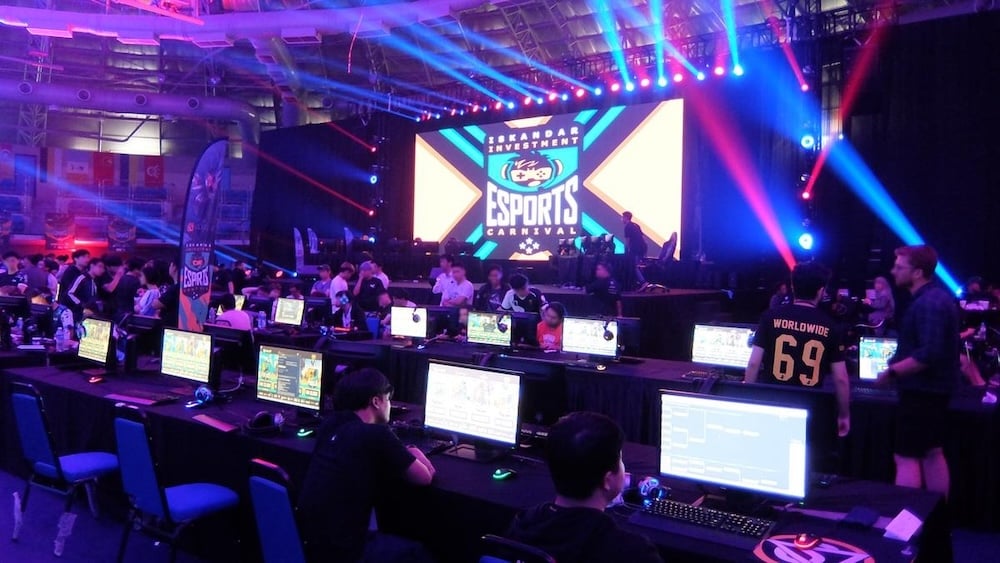
As per the Act, e-sports will be recognised by the Ministry of Sports as a legitimate form of competitive sport. They will be provided with infrastructure and training along with incentives, awareness schemes, and integration of e-sports in the broader sports policy. E-sport tournaments can have participation or registration fees and can have performance-based prize money. The Government also plans to create a national online gaming authority that can oversee, approve, and implement the sector and its policies.
In simple terms, what games are allowed and which are banned, as per the new Act?
This is a rough guide for you:
Games Allowed | Games Banned |
|---|---|
E-sports (FIFA, BGMI) | Chance-based games/ Fantasy sports (Dream 11, MPL Fantasy cricket) |
Casual games with no entry fee or cash reward promise (Temple Run, Candy Crush) | Betting style games/platforms (online Poker) |
Social/educational games (Ludo, Duolingo, Minecraft) | Card games or casual games with cash at stake (RummyCircle, TeenPatti) |
But everything was going along fine. The Online Gaming market was booming. What was the need for this Act?
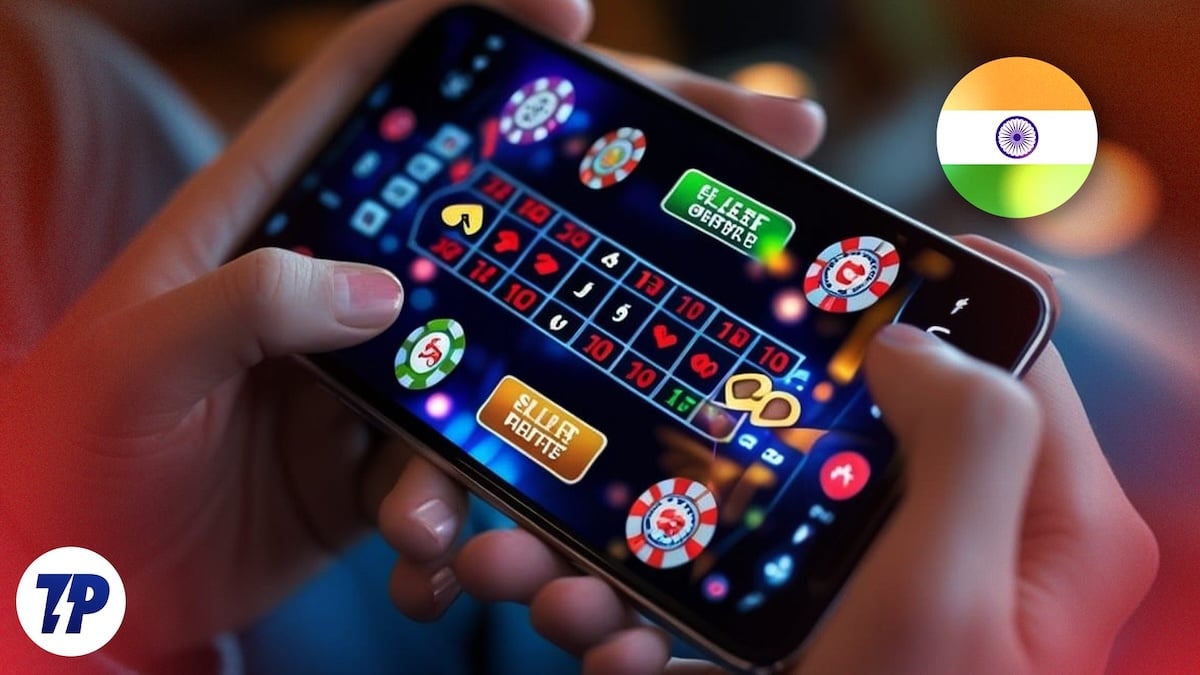
While online gaming is one of the fastest-growing sectors of the economy, the Government was also concerned about the rising number of cyber-frauds and misuse of technology alongside it. As RMGs are extremely easily accessible (thanks to greater accessibility of technology), and widely promoted and advertised. These games are very similar to real-life betting and gambling in physical form, as they promise a chance to get more money than you deposit, and revolve largely around fortune (luck), rather than skill.
This especially tempts young people with vulnerable social and economic backgrounds to participate in these games, and this can lead to compulsive and addictive behavior, which can further lead to the ruin of both financial and mental health. The World Health Organisation (WHO) has also linked online money games to addictive and compulsive behaviour, financial distress, and mental health issues like depression, sometimes even leading to suicide. The state of Tamil Nadu has recorded around 42 deaths from 2019 to 2024, while Karnataka has reported 32 suicides over 31 months because of online money games.
In spite of the volumes of money and risk involved, there was no clear set of rules or legal framework around these games. There was next to no regulation on how these games were developed or the algorithms behind them that can be used to manipulate users. Which is why the Act has been passed: to provide a set of ground rules that safeguard the interests of the citizen and the state.
What are the penalties and punishments for those who break the rules under the Act?
The new Act comes with some hefty penalties and punishment for those who fail to comply with the new rules. This includes imprisonment of up to 3 years and/or a fine of up to Rs. 1 crore for those who offer or facilitate RMGs. The same penalty and punishment are applicable for those who engage in financial transactions related to online money games. Not just that – advertising these games can lead to imprisonment of up to 2 years and or a fine of up to Rs. 50 lakh. Repeat offenders can find themselves imprisoned anywhere from 3 to 5 years, and with fines that can go up to Rs. 2 crores. The offences are also non-bailable and cognisable.
What could be the impact of the Act on the gaming market in India?
The new Act seems like a step in the right direction and certainly is backed up by a lot of data. However, its swift crackdown on RMGs could lead to a large number of layoffs and also result in larger financial losses. For all their shortcomings, RMGs are responsible for a huge chunk of revenue generated from the overall gaming industry of the country. These online money games account for over Rs. 20,000 crore in direct and indirect tax, and are also responsible for over two lakh jobs (directly and indirectly) in over 400 companies. They also attract large amounts of foreign direct investment (FDI).
The Act has led to major platforms like Dream11, WinZo, and PokerBaazi bringing their operations to a halt in the country. It is not just about the platforms and the games – the Act is in the worlds of advertising and influencer marketing. As this is being written, Dream11 has ended its sponsorship of the Indian cricket team.
It’s not all doom and gloom, though. The Act opens the door for skill-based games to flourish and provides a central set of rules. In fact, many of the brands that have built up huge followings through RMGs can enter the e-sports, skill-based game zone and hope to build on their brand visibility and awareness. Of course, that will take time. As of now, it is Game Over for RMGs in India.

