

In Summary
- The Vivo V70 is the standard variant in Vivo’s V70 series, positioned below the flagship V70 Elite.
- It features a revamped design, a compact form factor, and runs the new OriginOS, delivering a refined software experience.
- It positions itself as a near all-rounder with strong design, battery life, and software, but comes at a higher starting price of Rs. 45,999, making it face tougher competition in the segment.
Vivo V series smartphones are all about camera and design. I have reviewed plenty of Vivo V-series smartphones in the past, including the Vivo V30 and V40, and for the past few days, I have been testing the latest Vivo V70.
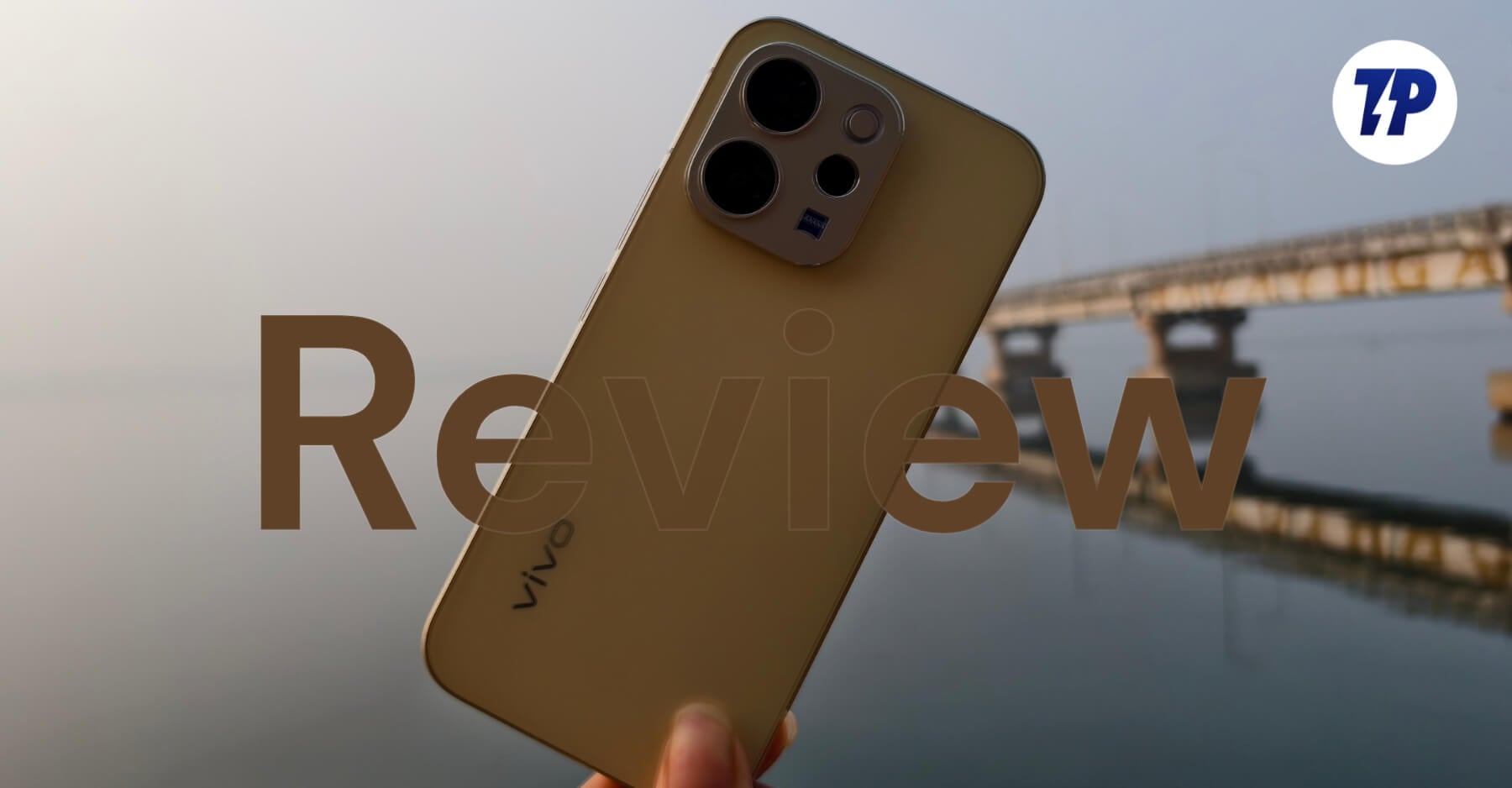
One thing that always stands out for me in Vivo V series smartphones is the camera. I personally didn’t like the flashy design on some of the V series phones. However, with the Vivo V70 series, Vivo has completely changed how these smartphones look and feel, and that’s a good thing.
The new Vivo V70 series includes two smartphones: the Vivo V70 and the Vivo V70 Elite (Our review). Vivo has positioned V70 Elite as more premium, priced at Rs 51,999/- in India. They look very similar; however, the V70 Elite is powered by a more powerful Snapdragon 8s Gen 3 processor and a better camera, while the V70 offers standard specs.
With the new Vivo V70 Series, Vivo addressed many of the issues we have been complaining about on Vivo smartphones. These smartphones now feature a more premium design and also the new Origin OS 6. If you are looking to buy a new Vivo V70 smartphone, here is the detailed review and everything that you need to know before making a purchase decision.

Table of Contents
Design: The Right Step, Finally Feels Premium
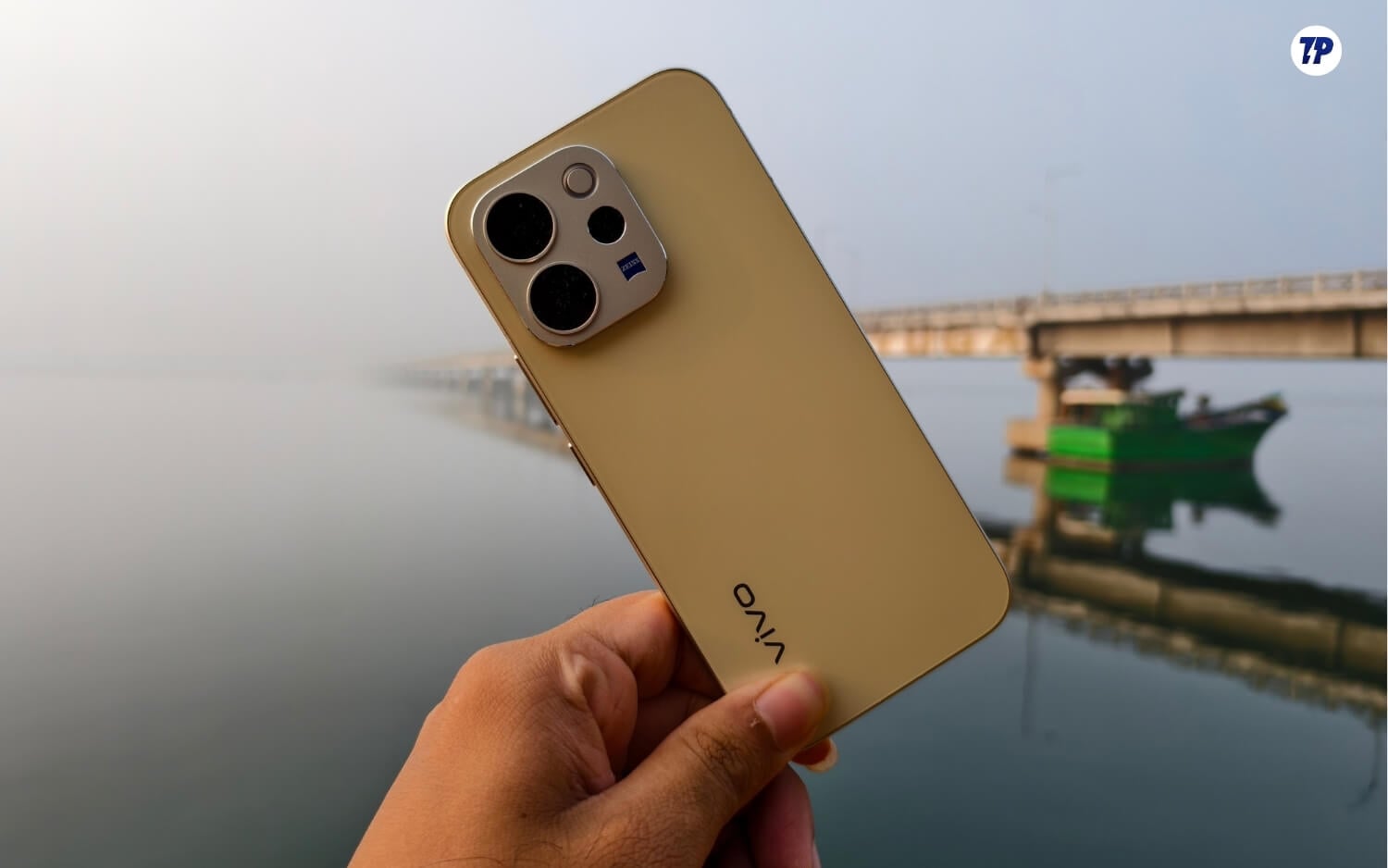
Design is subjective. It wouldn’t be nice to say that the design of the previous Vivo V series is bad; they are just not my type. I want phones to be minimal, not flashy or feel cheap, and to hold in hand with a plastic build. Vivo finally addresses this and fixes it with the new Vivo V70 series, which has made significant changes. For comparison, here is how the new Vivo V70 looks compared to the previous Vivo X200T smartphone (Our review), which is the flagship tier.
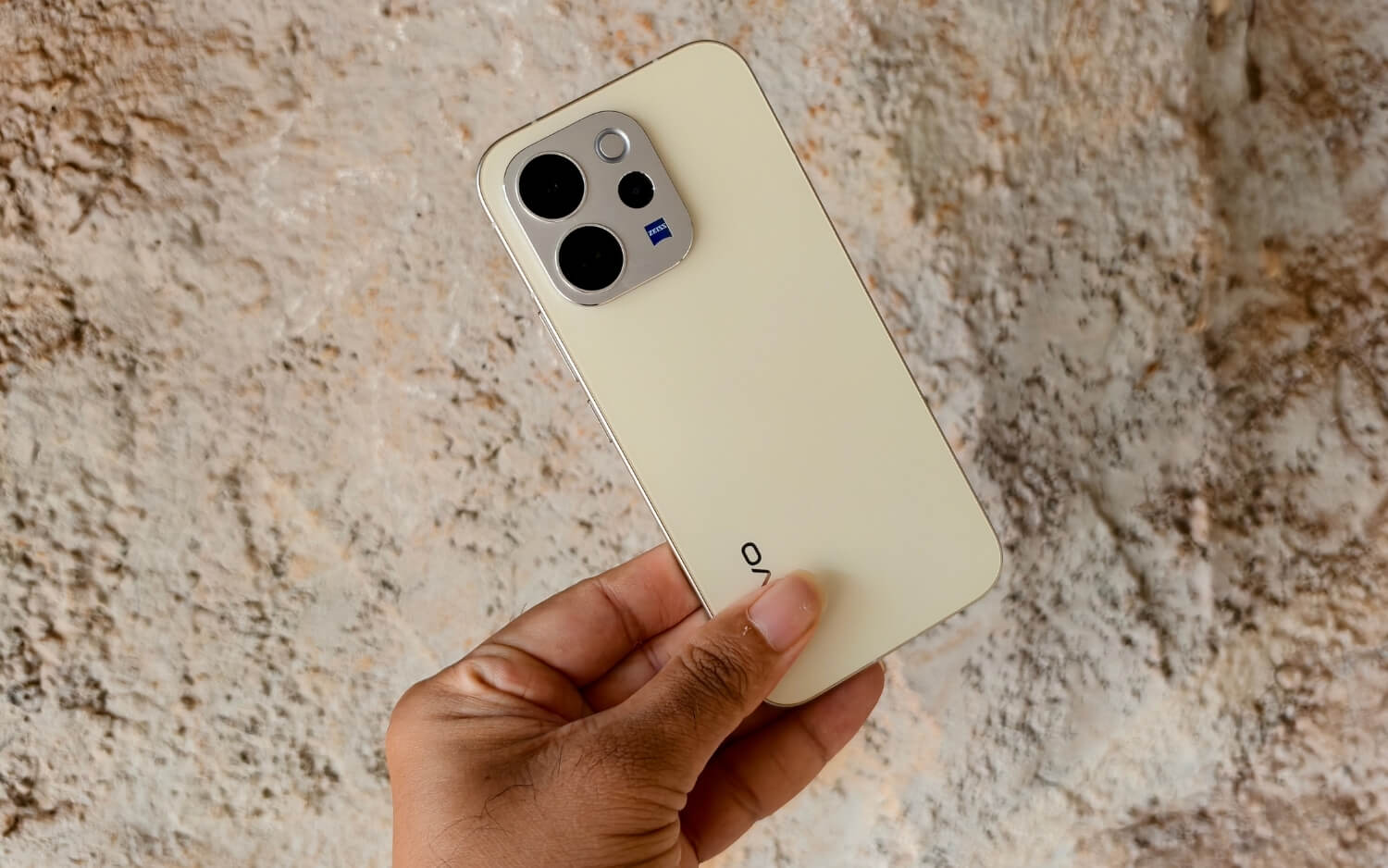
One thing I instantly felt after unboxing the smartphone was holding the Vivo V70 in my hand; it felt like an X-series phone. Before switching to the Vivo V70, I used the Vivo X200T, another flagship that Vivo launched very recently. They almost felt the same. The phone feels solid, with a metal build and a glass back. The smartphone not only feels solid, but it also has the same build and finish as the flagship X series smartphones from Vivo.
Another significant change is the size. The V70 now comes in a smaller size, with a very compact design; if you want a big phone, you might find the Vivo V70 less appealing. For me, it’s the perfect size, with solid build quality, a compact design, and an all-screen display. The phone feels very solid and premium. It also comes with IP68 + IP69 dust and water resistance.
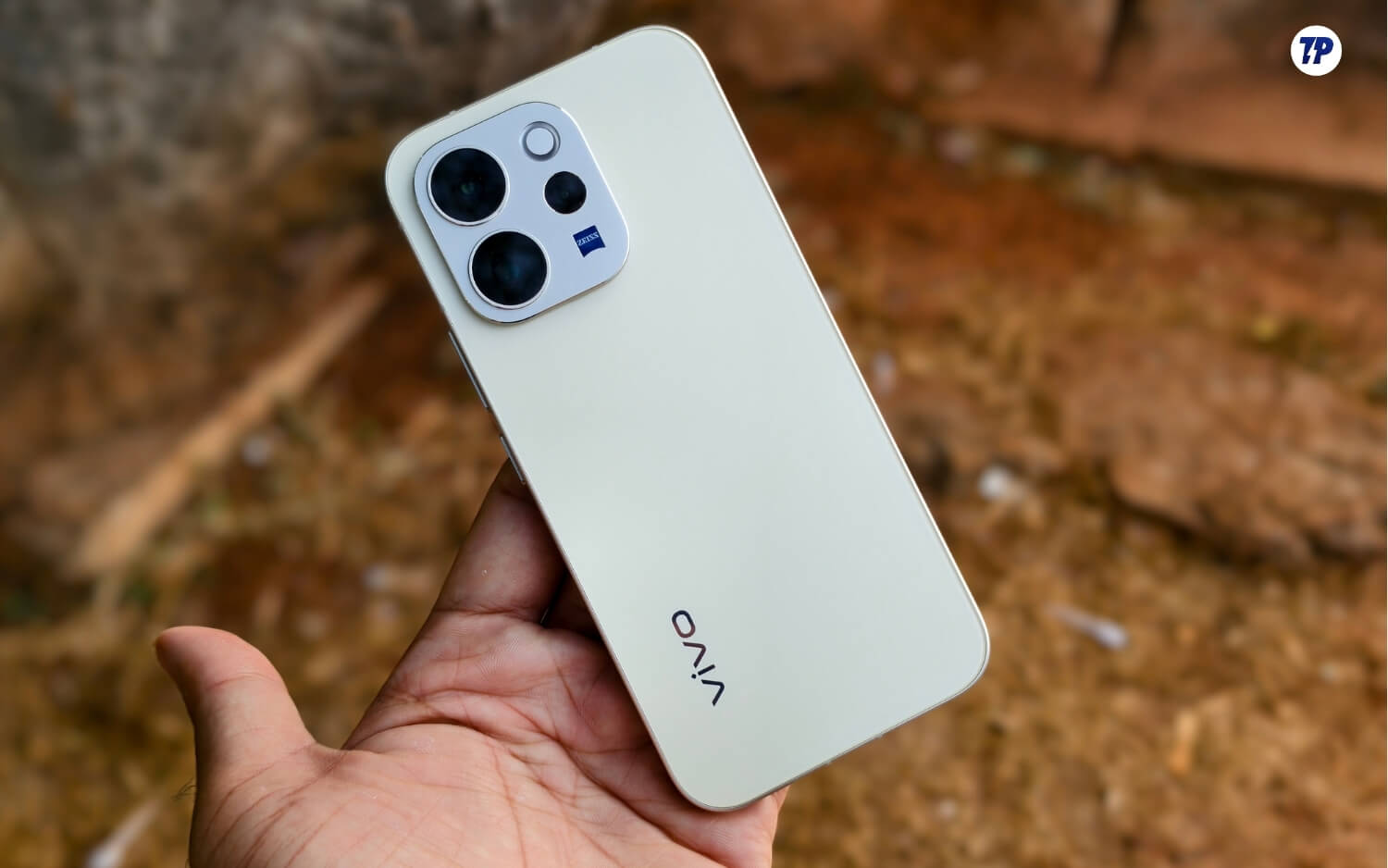
My review unit comes in a lime light color, which is not too bright and very subtle. Vivo V70 also comes in Passion Red, which looks very good in person. I had a chance to use it for a while during the launch. Thankfully, Vivo isn’t limiting this color option to the Elite version only. The base variant also comes in Passion Red.
Another major change in the new Vivo V70 series is the use of a flat display. While curved smartphones are more appealing, flat displays are more practical in daily use, especially on compact phones.
However, one thing I noticed is that the sides of the Vivo V70 are sharper, and every time your finger moves to the top, you can feel it, especially without a case. Given the compact design, most users rely on gestures.
Every time you swipe left or right on a smartphone, your finger will most likely end up on the edges. I have noticed similar issues on the Vivo X200T as well; however, it’s not as bad as the Vivo V70. It does mean that edges are too sharp or that it cuts your finger, you feel that minor inconvenience when going through it, and it instantly fixes if you use a case.
On the back, you will find a triple rear camera with a flash and also a Zeiss logo in the button, the camera peaks out of the smartphone, because of the size and square design, the phone doesn’t wobble much when placed on a flat surface, unless you hit the top button on the phone, the side also comes wtih metal finish which feels solid while holding in hands.
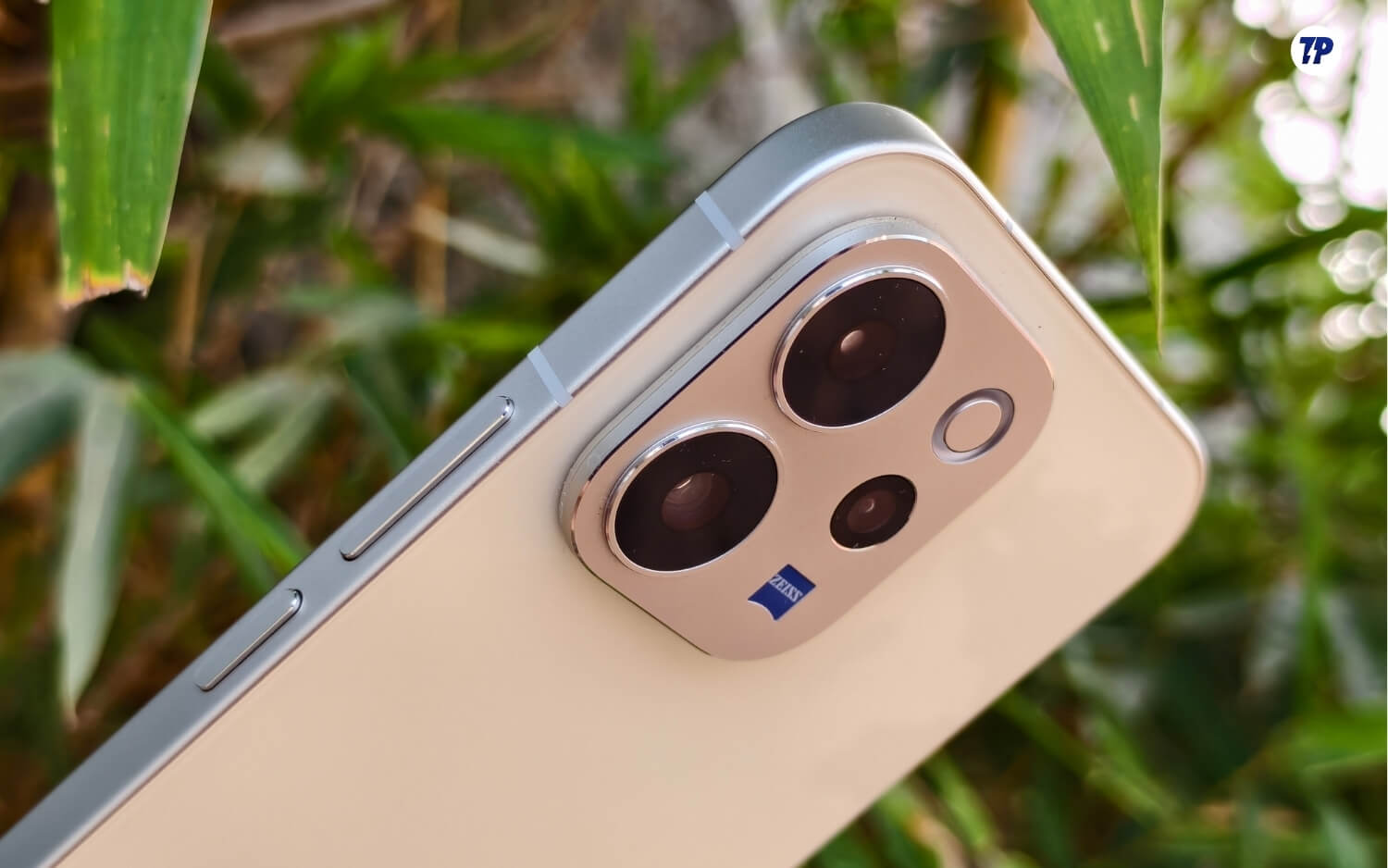
On the right, you will find a volume button and a power button, and on the left, a plain area. At the bottom, you will find the SIM ejector on the left and a speaker on the right. At the top, you will find the IR blaster and other mics. Overall, it’s a pretty clean setup. The lightweight variant comes with a matte finish, which does easily slip out of the hand. Even if you don’t use the case, if you have sweaty hands, it’s better to use the transparent case that Vivo is offering out of the box.
Display: Sharp, Bright, and Compact
On the front, you get a 6.59-inch 1.5K Amoled display with a 120Hz refresh rate. With its slim bezels, center-punch-hole camera, rounded corners, and compact design, the Vivo V70 is also one of the best-looking phones on the front.
By default, the display resolution is set to HD; you can change it to UHD to further enhance sharpness. I have no issues with the display; the only thing I noticed after bumping the resolution to the max is choppy performance, which is due to the phone’s processor.
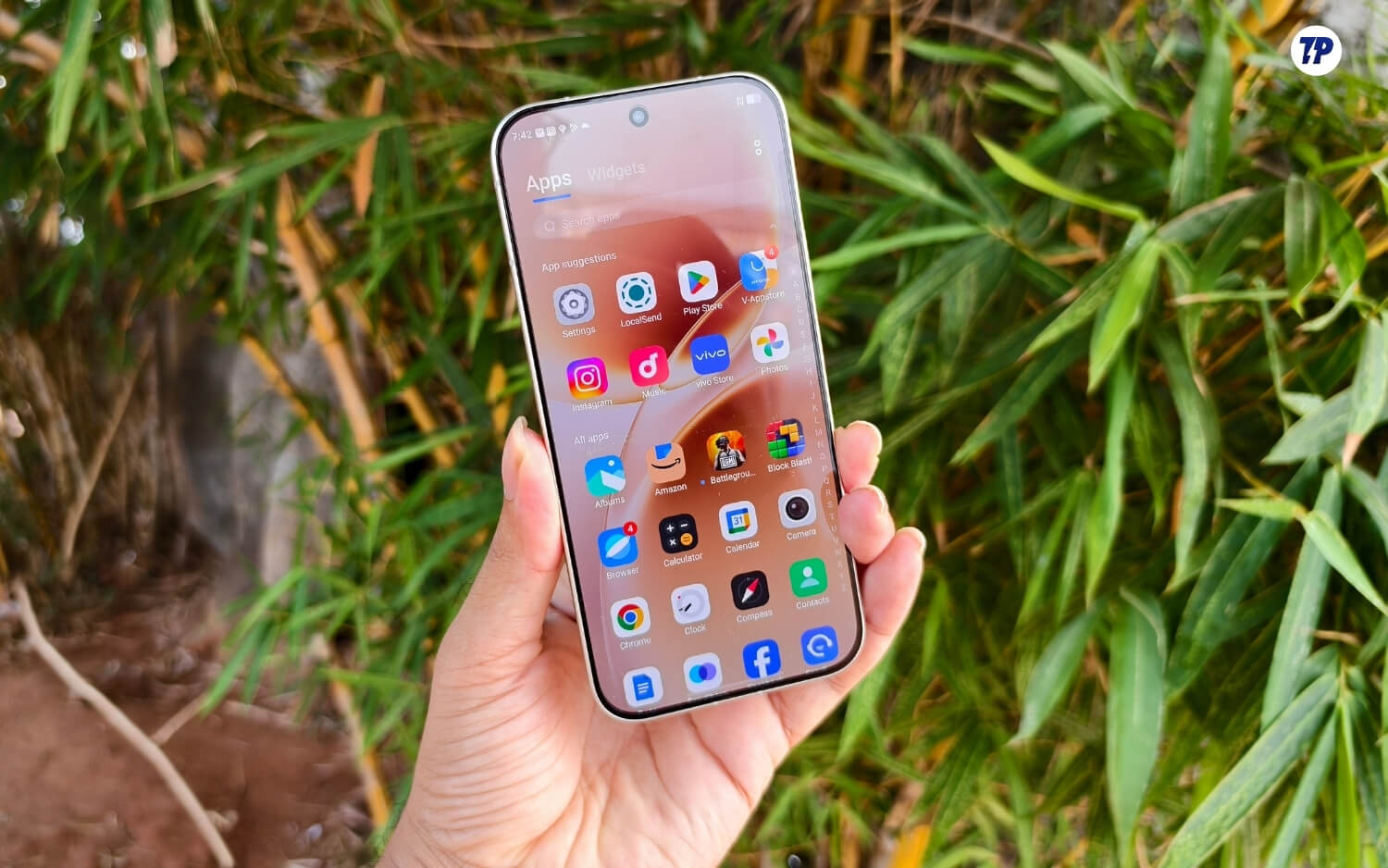
Apart from this, I have no major complaints. Whether it’s reading, watching media, or gaming, the display produces very good colors, deep Blacks, and sharper text. The best part of Vivo phones is that you can also choose the screen colors. If you want even brighter, punchier colors, you can change the display settings to Bright. You can also adjust the color temperature.
The outdoor visibility is also good; It also comes with 5000 nits peak brightness. I can see the display contents without any issues, even in sunlight, though you need to bump up the display brightness to max to do that. The phone also supports Widevine L1 so that you can watch Netflix and Amazon content in Full HD without any issues.
Cameras: Still the Biggest Strength
Cameras are the core and fundamental strength of Vivo smartphones, and the V series is known for its best-in-class cameras. With the Vivo V70, Vivo hasn’t made any significant upgrades over the predecessor, and that might still be a good thing, since camera performance on these phones is outstanding and even beats many rivals in this price range.
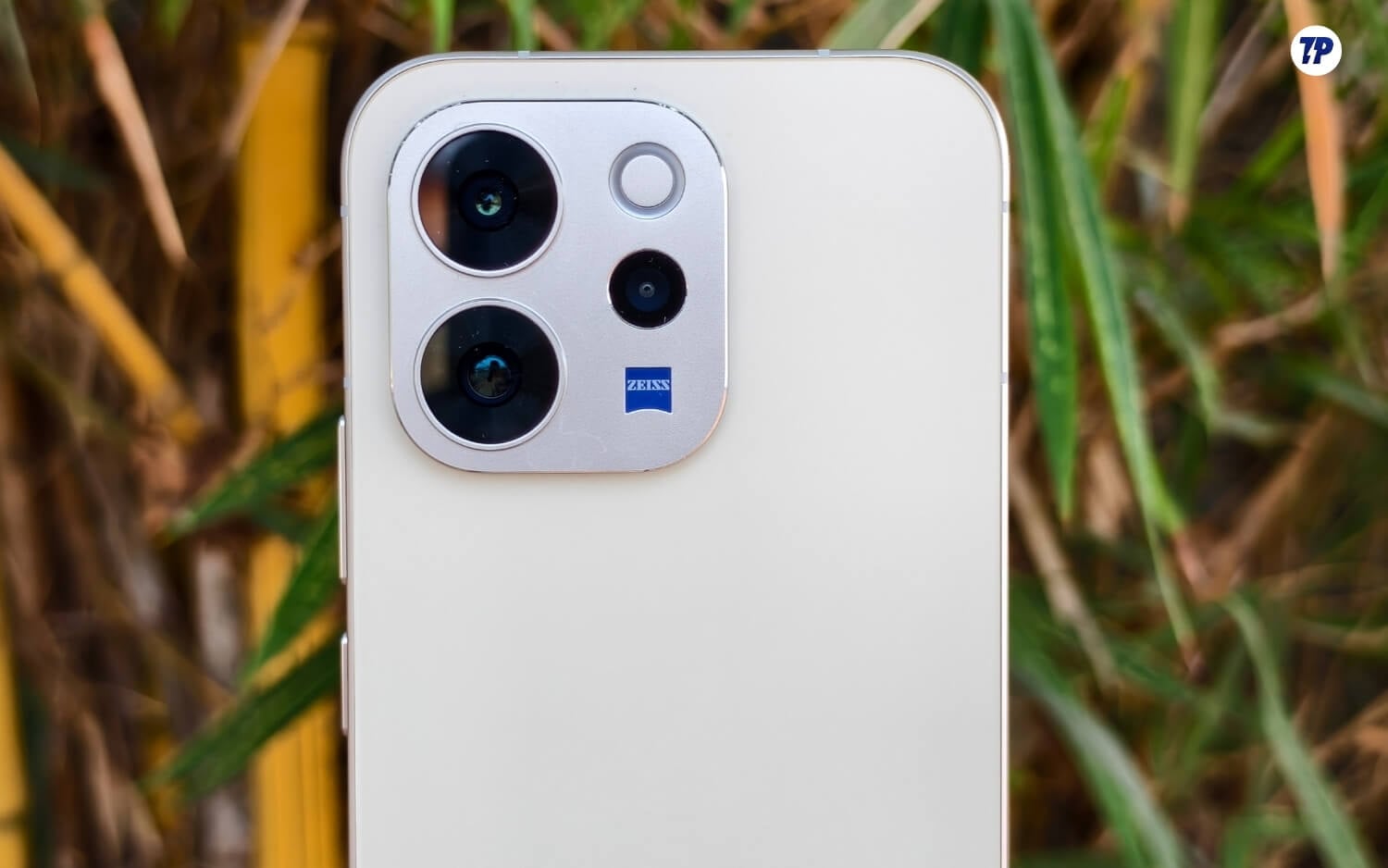
Vivo V70 features a 50MP main camera with a 1/1.56-inch Sony IMX766 sensor and OIS, a 50MP IMX882 3x periscope telephoto with OIS, and an 8MP 115-degree ultrawide camera. On the front, you get a 50MP autofocus front camera with 4K recording support.
In daylight, the primary camera takes really good-looking pictures with plenty of details and rich colors. Vivo phones tend to boost the contrast; however, the overall image looks social media-ready.
For comparison, here are the camera samples I shot with the Vivo V70, along with a direct comparison against the more premium smartphone, Vivo X200T. Please note that the Vivo X200T is a flagship smartphone from Vivo, currently priced at ₹59,999. While it is unfair to compare the Vivo V70 camera directly with the X200T, we are just evaluating how close the Vivo V70 comes to the flagship Vivo X200T.

In a daylight comparison, both the vivo V70 and vivo X200T have done an incredible job. However, the Vivo V70 picture looks brighter and has more punchy colors. However, compared directly to the Vivo X200T, it loses a few small details and is less controlled in the highlights, especially in the surface details on the stone and edges. Overall, it’s very close to the Vivo X200T.

Next test, 10X digital zoom from both smartphones. It is a very challenging situation for both smartphones. However, overall, the Vivo V70 picture looks better to me and is ready for social media posting. However, the Vivo X200T performs better overall in other areas, such as sharpness and color tones. Don’t get me wrong, the Vivo V70 looks way better when you look at and compare it directly.

And here is one more challenging scene for both smartphones to check HDR and how they produce colors, and also to test the ultra-wide-angle cameras on both smartphones.
However, this time the Vivo X200T looks brighter and more vibrant; however, the V70 image is now slightly warm but softer, and still has decent reproduction. Both smartphones have produced mixed results in comparison. The X 200T has produced a better road structure. However, the Vivo V70 has good center details. The vivo V70’s ultra-wide-angle camera is decent, but not as impressive as the main camera. It has decent color exposure and is again very good for social media posts.

And this is an indoor camera sample comparison between the Vivo V70 and the Vivo X200T. The Vivo V 70 captures a good indoor shot; however, the image is slightly warmer and has less detail than the X200T, but once again, it is social media-ready with punchier colors.

Both smartphones have done an incredible job with the front camera, but I like the pictures from the Vivo V70. It is slightly warmer and more punchy. It also has slightly more details than the X200T smartphone. You can see the road and the leaves behind me.
More camera samples from the Vivo V70






Overall, the Vivo V70 does an incredible job. The primary rear camera produces very good shots in the day and in low light. The telephoto lens captures plenty of detail and is very close to the main cameras. Ultra-wide-angle photos are a little softer but still look great after processing. The front camera also does a great job. Overall, if the camera is your top priority, the Vivo still leads here.
Performance: Smooth for Daily Use, Not Built for Power Users
Performance is still taking a step back on the phone. Like previous generations, Vivo uses mid-range processors, which are decent for day-to-day tasks; however, they are not recommended for gaming or heavy use. The Vivo V70 comes with a Snapdragon 7 Gen 4, Qualcomm’s latest mid-range processor.
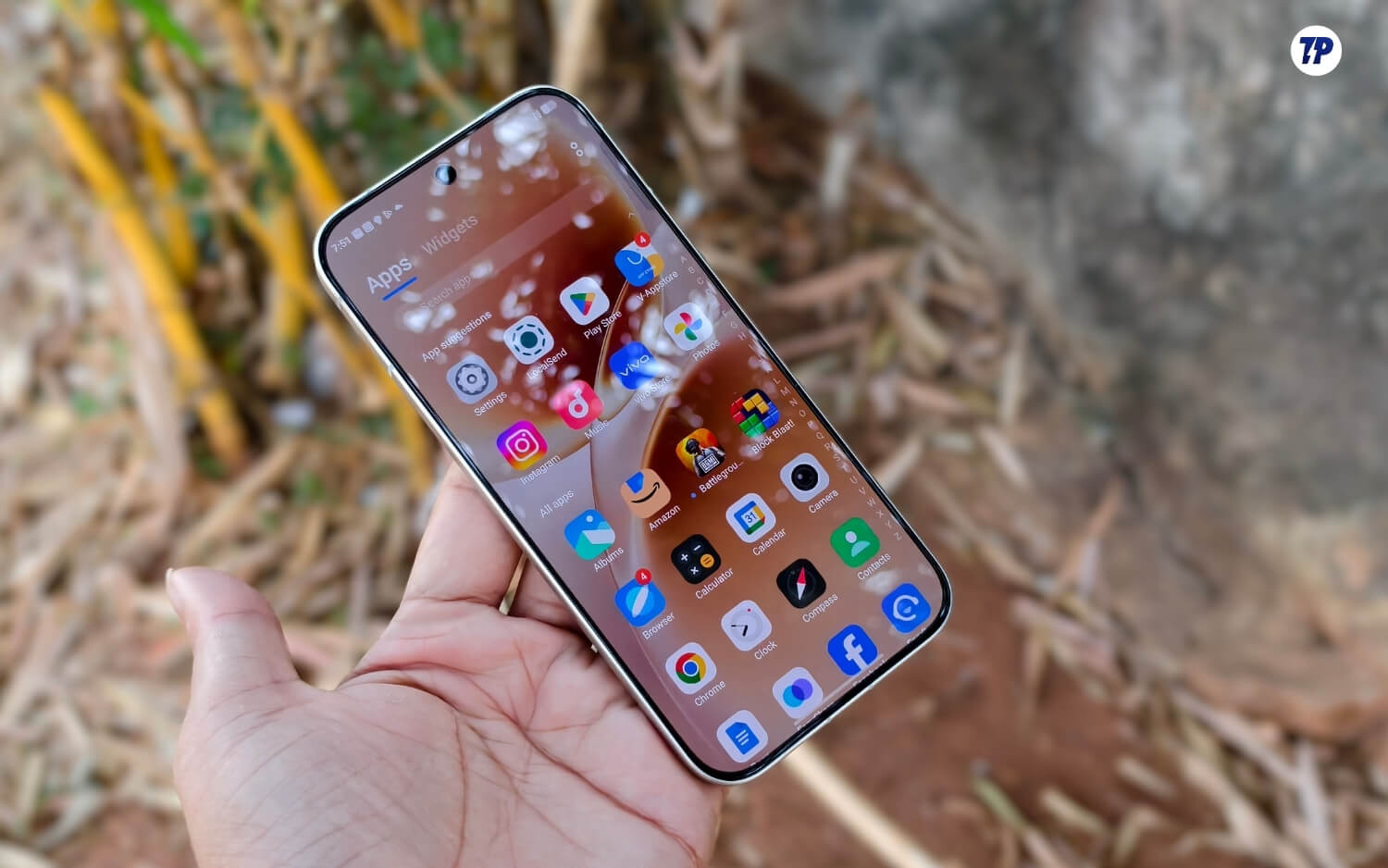
The processor on the Vivo V70 Elite isn’t good either; it uses a Snapdragon 8s Gen 3 chip, which isn’t as powerful as other phones in this price range. However, Vivo smartphones were never about the performance numbers. Like on every other Vivo phone, the day-to-day performance is smoother. For most casual camera users, you won’t find any issues unless you start using the phone for heavy tasks.
Under extensive use, especially when both bumping up the display resolution, I did notice some lag, and Origin OS 6 wasn’t helping either.
However, for the rest of the time, I have noticed no stuttering or lag while browsing, watching movies, using the camera, and a little gaming. Everything else felt instantly smoother, and it even improves if you reduce the animation scale to .5x in the developer options.
The gaming performance is smooth, but definitely not up to what other Phone like the OnePlus 15R (Our review) offers at this price range. I have installed the BGMi, which is the benchmark for testing these phones. I have also installed the Infinite Flight simulator, which I play often on my iPad.
One thing you should keep in mind: this isn’t a gaming phone, not only because of the processor but also because of the size. If you have big hands, playing on these phones is not very immersive, but very comfortable.
Battery: Big Battery, No Anxiety
Honestly, battery life isn’t going to be a deciding factor anymore. The majority of smartphones in 2026 will launch with larger battery capacities and faster charging speeds. Vivo V70 comes with a 6500 mAh battery and supports 80-watt fast charging. You get both the charger and the cable in the box.
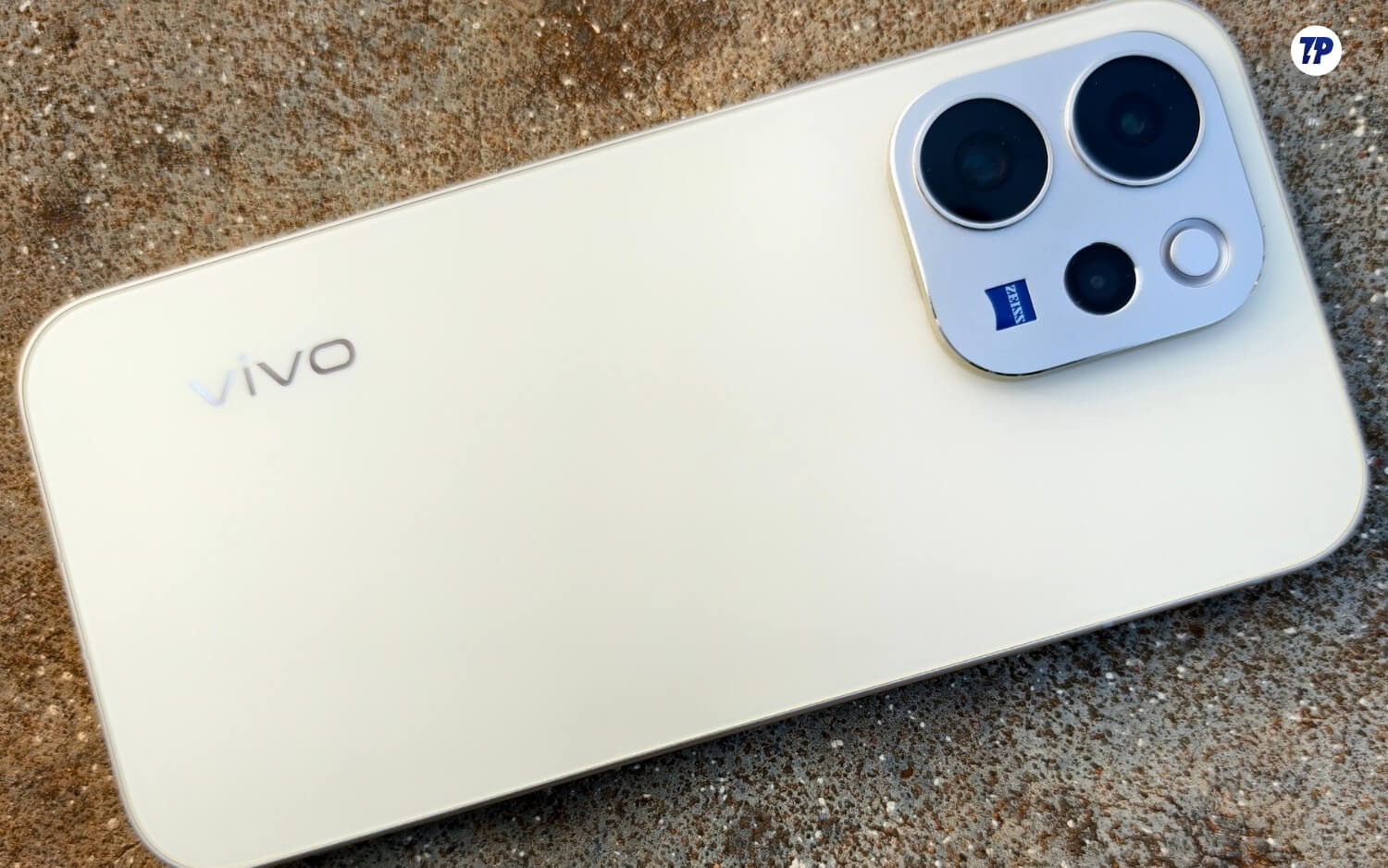
In regular use, the phone lasts more than a day. On average, I got around 6-7 hours of screen-on time, which is on par with many smartphones in that price range. The phone also fully charges in under an hour with the 80W fast charger provided in the box. Vivo includes the 80W charger in the box, along with a Type-A to Type-C cable.
Connectivity and Sound: Solid and Reliable
I also haven’t noticed any connectivity issues on this phone either. Signal reception is good; it supports Wi-Fi 6 and Bluetooth 5.4. It also comes with a handy IR blaster that lets you control home appliances on your device, such as the TV and AC.
The sound quality used to be the biggest downside of Vivo smartphones; however, Vivo has started including stereo speakers in its previous generations. The Vivo V70 also comes with stereo speakers that support Hi-Res audio, and they are very loud for its size. You can listen to it for yourself. It also comes with fast pair support, which lets you easily install, connect, and switch between your wireless earphones.
Origin OS: Big Improvement, Still Hope For the Best
I have very big expectations for the Origin OS 6. I expected it to be on par with Color OS or OnePlus Oxygen OS; however, the visuals are clean, and it’s feature-rich, but it’s still not as smooth as Oxygen OS or Color OS. Don’t get me wrong, it’s still a big leap compared to the Funtouch OS.
Vivo V70 is the first phone to come with OriginOS 6 with Android 16 out of the box. And you get all the Origin OS 6 features, including a new, visually rich UI and animations, an entirely new design, new control panels, a new settings page, new app icons, and, most importantly, new themes, new lock screen options, and much more.
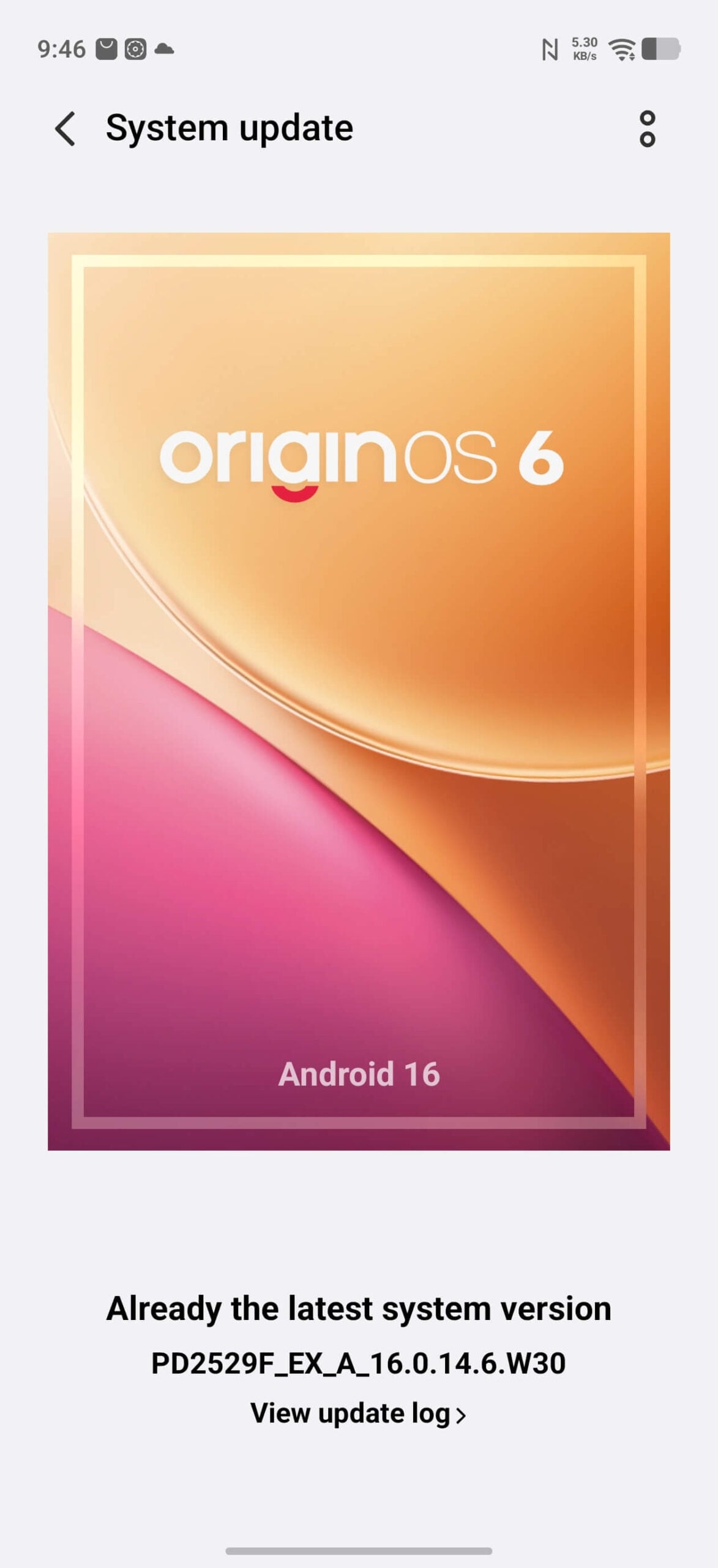
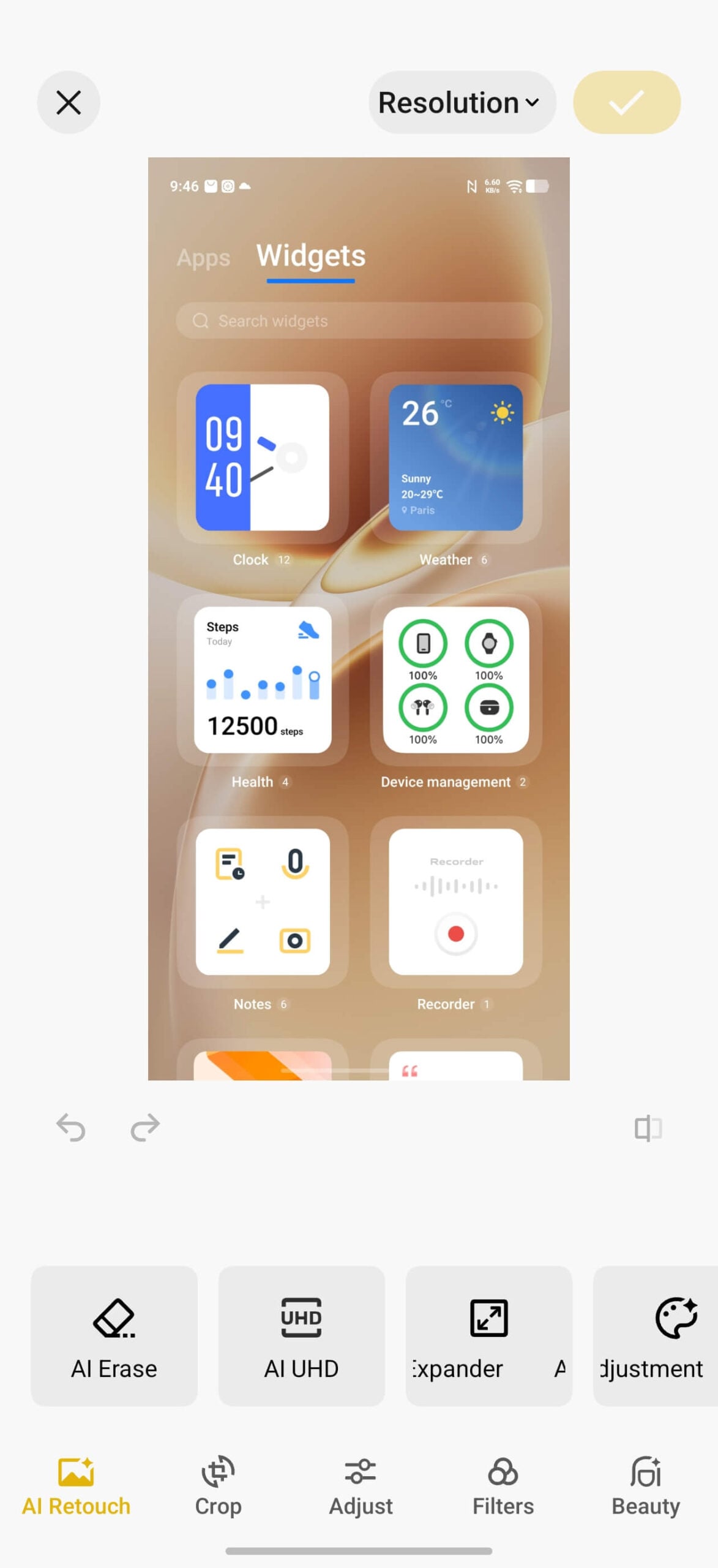
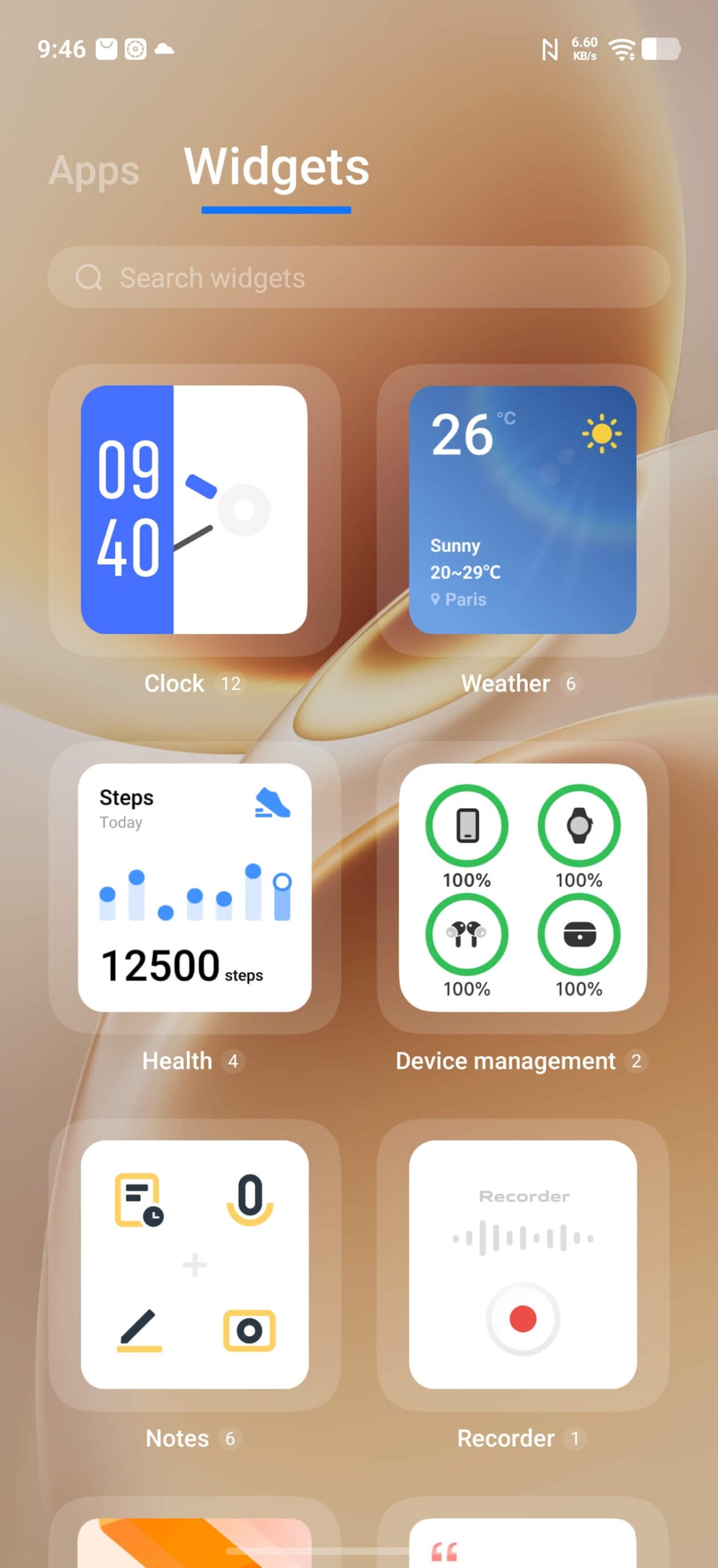

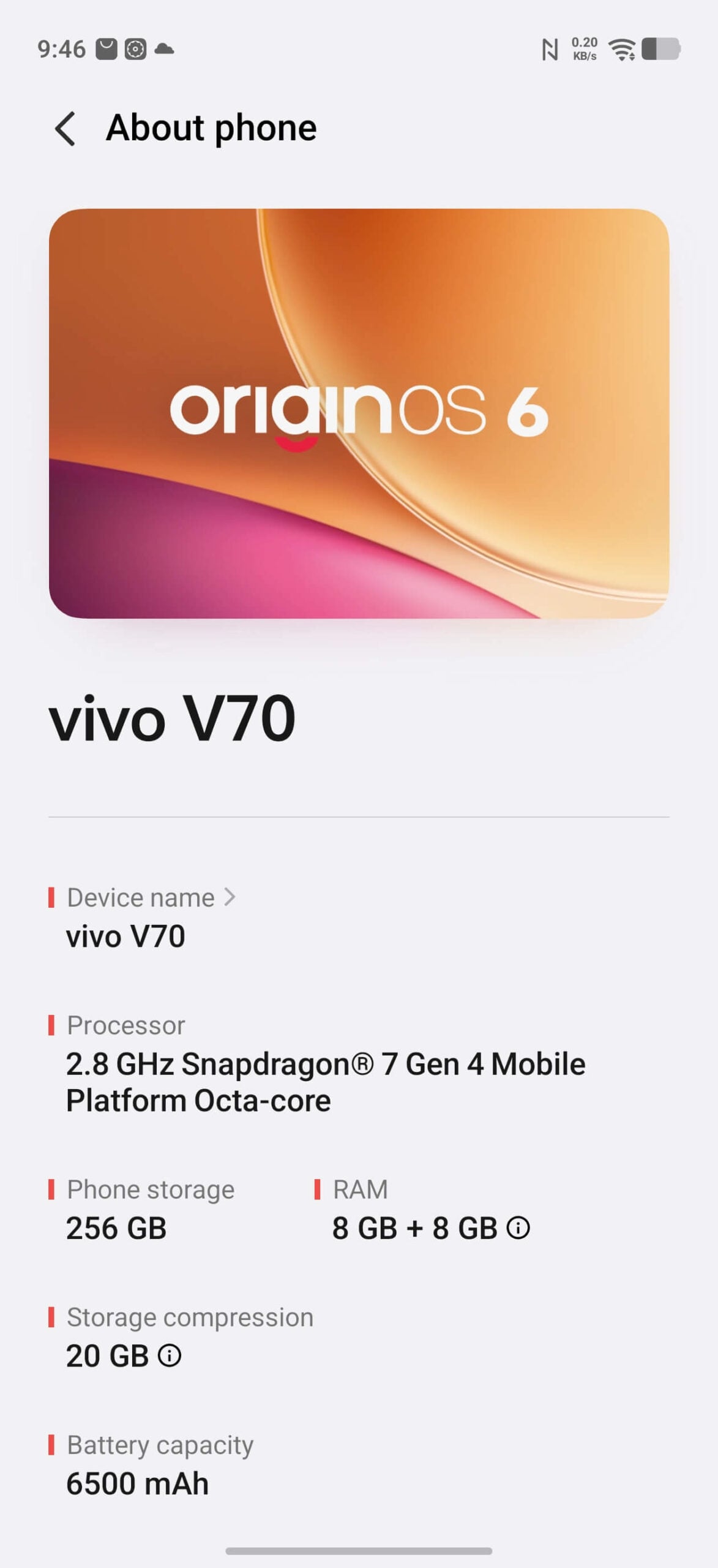
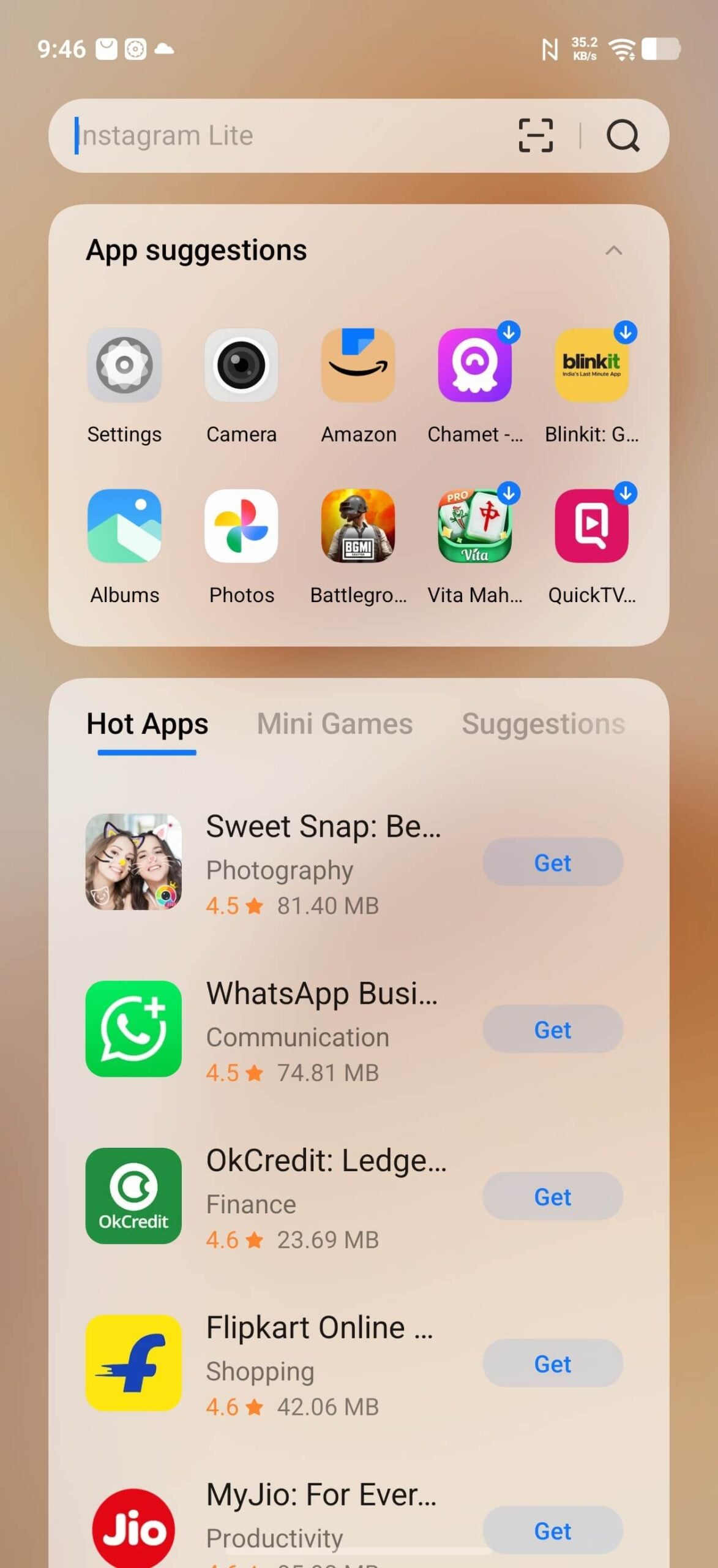
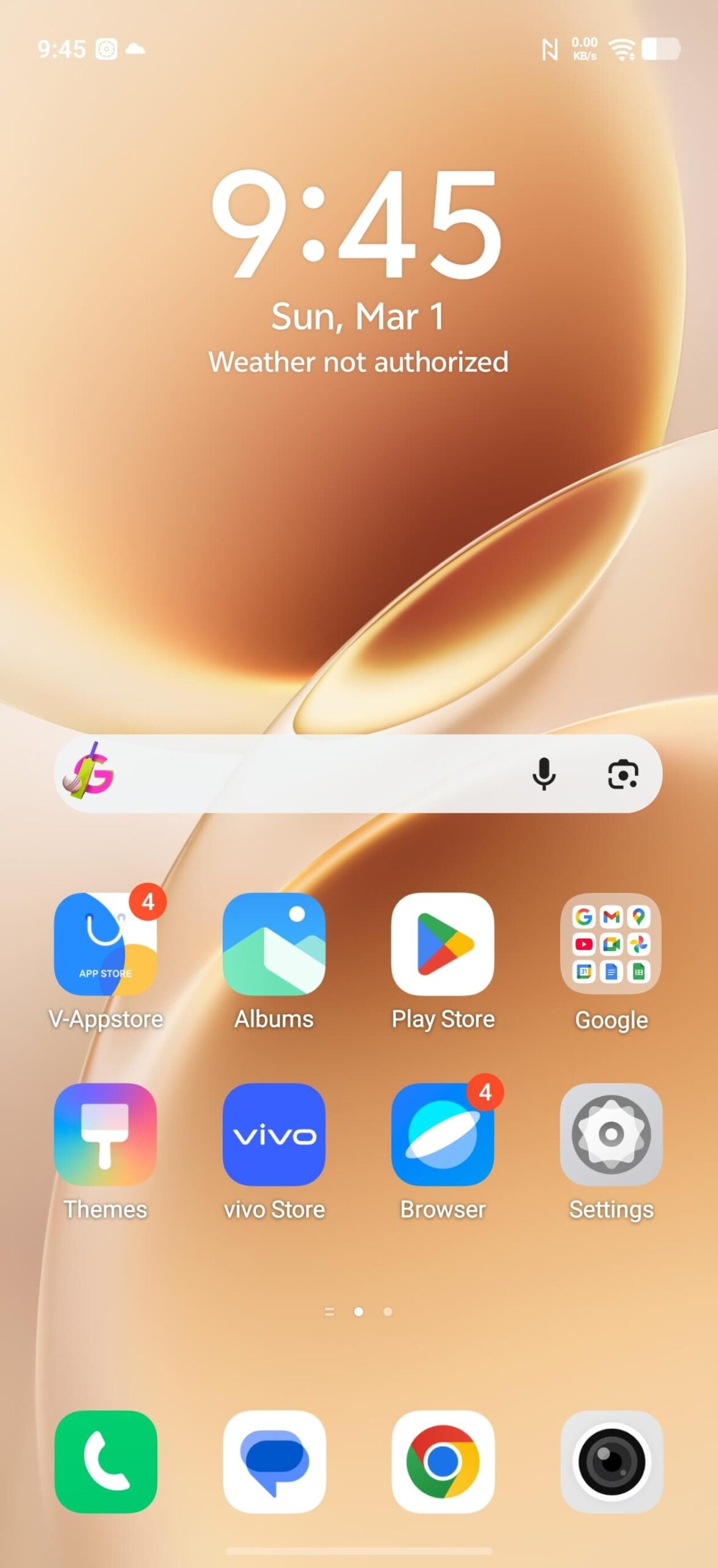
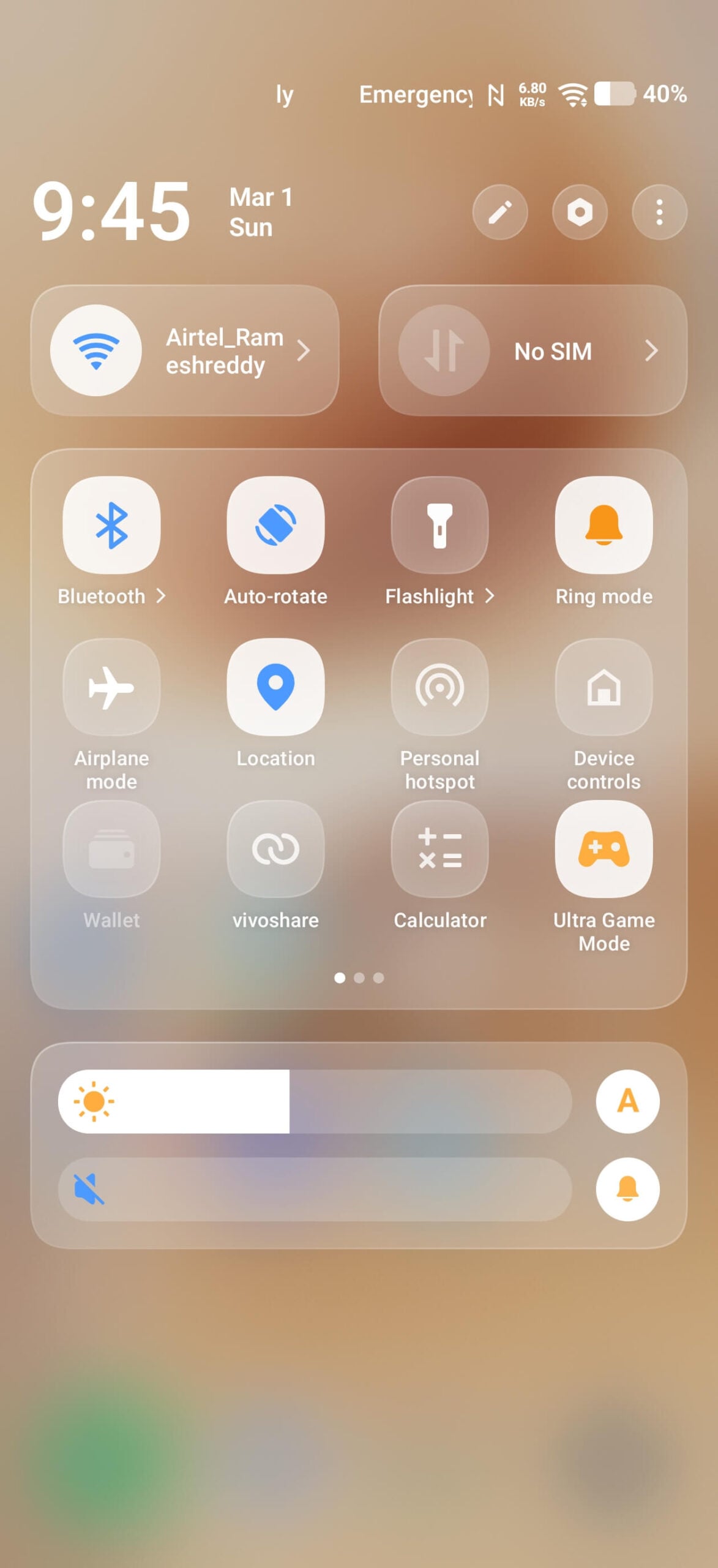
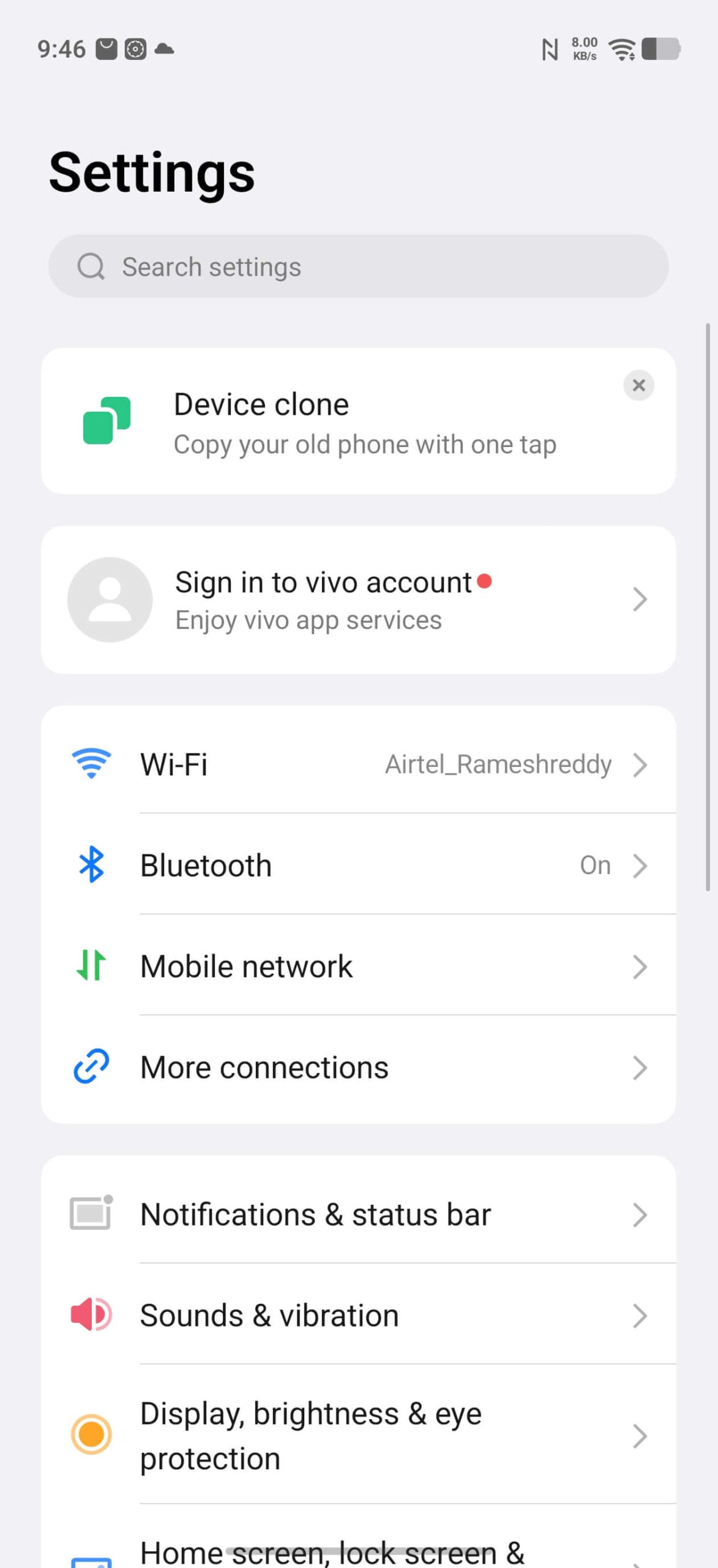
OriginOS is definitely a new and refreshing version of the vivo smartphones, and it is also coming to other vivo smartphones. We have been tracking OriginOS 6 updates for the smartphone; you can find the latest OriginOS 6 update rollouts here.
One thing that impressed me very much about the new OriginOS 6 is the animations. To get the best software, you need to match it with the best and most powerful hardware, but it is designed with a bump compared to the former OS, and you will need to install it if you move from the former OS to the new OS 6.
The biggest downside previously was that switching from OxygenOS or ColorOS to a Vivo smartphone. Many users felt it was unbelievable thanks to the funtouvb OS’s outdated UI and catchy animations. However, with the new OriginOS 6, Vivo is finally close to what other phones offer globally in terms of UI.
You also get useful AI features, such as photo editing in the Photos app, which are super handy. It also comes with AI writing tools that help you simulate text, change tone, fix grammar, and more, along with useful Google AI features such as Gemini and the Circle to search.
However, the bloatware is still there; the number of apps has significantly reduced compared to what Vivo has offered in the past. While setting up your smartphone, you need to pay attention and disallow Vivo app recommendations, and turn off app store notifications right after setting up your device. Most of the pre-installed apps are also uninstallable.
Price: Premium Feel, Premium Pricing
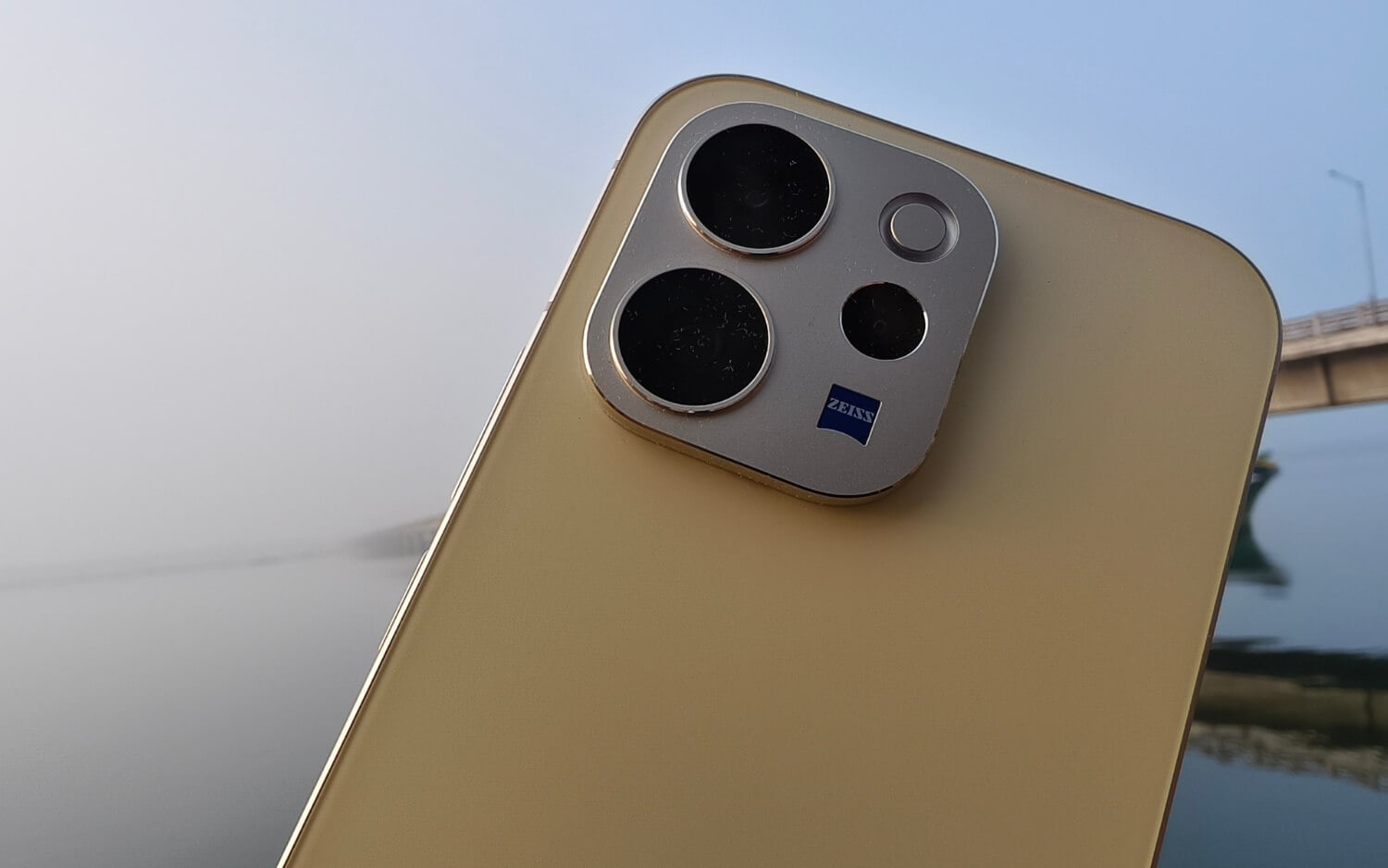
The Vivo does step up the game with its new Vivo V70 series; however, the price has also moved up. The base variant, which comes with 8 GB + 256 GB, is now priced at Rs 45,999/-, which is much higher than any previous Vivo base variant. But even with this price bump.
The biggest competitor to the Vivo V70 is the OnePlus 15R, a performance-oriented phone with cameras that aren’t as good as the Vivo V70’s. There is also a Realme 16 Pro Plus, another camera-centric phone in this price range; however, the Vivo V70 still outperforms it, and the Oppo Reno 14 is on par with the Vivo V70 in terms of camera quality.
Vivo V70 Review Verdict: Vivo’s Biggest Advantage Is Still the Same. Cameras
Overall, Vivo V70 once again stands on its core camera pillars, offering flagship-grade cameras. And now, with the new premium design, compact size, reliable day-to-day performance, and excellent battery life, and new Origin OS 6, the Vivo V70 ticks all the boxes for being a close-to-all-rounder phone with great cameras, except for people who want to trade performance for cameras.
Vivo has clearly bumped up the price largely because the V70 finally feels like a premium phone. The design now feels more flagship-like, and also comes with a glass and metal body. The base variant now starts at 256GB and more. At the same time, smartphone prices have also gone up in 2026 due to component shortages, with many brands increasing pricing across segments.
Because of that, the Vivo V series is no longer sitting safely in the mid-range zone. The smartphone now competes with the flagship killer smartphones at this price range.
However, Vivo’s biggest advantage is still the same. Cameras. Even at this new price, the Vivo V70 still offers one of the best camera experiences you can get, even beating other phones such as the OnePlus 15R.
Overall, if you want a premium-feeling phone and your number one priority is camera quality, you can get the Vivo V70. But if you care more about performance, heavy gaming, or pure flagship-level speed, you will find better alternatives at this price range.
To help you decide whether the Vivo V70 is right for you, here is the decision matrix to help you determine which option is right for you.
User type / Phone | Vivo V70 | OnePlus 15R | Oppo Reno 14 | Vivo V70 Elite | Realme 16 Pro Plus |
|---|---|---|---|---|---|
For Casual Users | 4.5 | 4.3 | 4.4 | 4.4 | 4.5 |
For Power User (performance, gaming) | 3.8 | 4.8 | 4.0 | 4.4 | 4.2 |
For Photography Enthusiast | 5.0 | 3.7 | 4.5 | 5.0 | 4.8 |
For Young Professional / Student | 4.4 | 4.5 | 4.3 | 4.4 | 4.5 |
For Parent and Elderly People | 4.2 | 4.0 | 4.1 | 4.0 | 4.2 |
For Budget‑Conscious Buyer | 3.9 | 4.2 | 3.9 | 3.4 | 4.3 |
Pros
- Compact and premium design
- Excellent main and telephoto cameras
- Very good selfie camera
- Great battery life with 6500mAh and 80W fast charging
- Stereo speakers with loud volume and Hi-Res support
- New Origin OS 6 feels fresh.
- Not the most powerful processor in this price range
- The ultrawide camera is good but not great.
- The price is higher than that of previous V-series phones
| Design & Build |
|
| Performance |
|
| Cameras |
|
| Battery & Charging |
|
| Price |
|
|
SUMMARY
Vivo’s biggest strength remains its cameras. Even at the higher price, the Vivo V70 delivers one of the best camera experiences in its segment, making it ideal for camera-focused buyers. |
4.2
|

