

In Summary
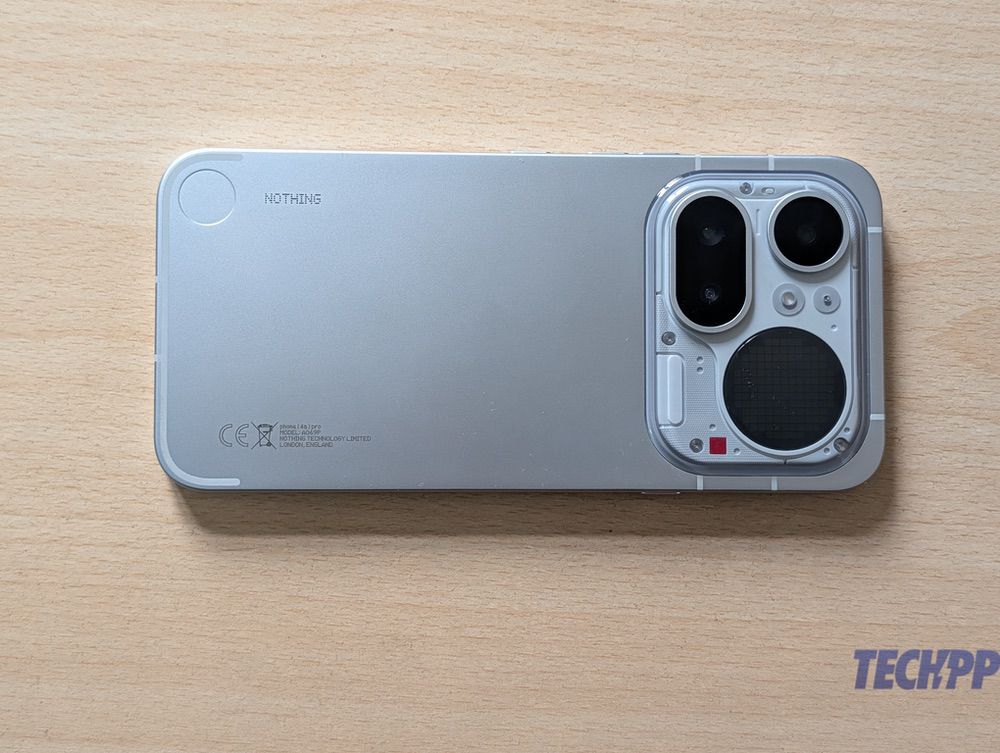
- In terms of design and appearance, the Nothing Phone (4a) Pro is one of the most distinct-looking phones in any price segment, with a metal back and a large Glyph Matrix.
- The Nothing Phone (4a) Pro is targeted at the premium mid-segment and comes with better specs than the Nothing Phone (4a), most notably a larger display with a higher refresh rate and better cameras.
- At a price of close to Rs 40,000, the Nothing Phone (4a) Pro will have to depend mainly on its radical design and clean interface to make its presence felt against much better-specced competition
It looks like nothing out there. So it seems only fair that the Phone (4a) Pro comes from Nothing, a brand that seems to have locked “normal” into some remote design dungeon and thrown away the key. But will its weird and/or wonderful looks work as an asset that adds to a solid mid-segment spec sheet, or an albatross that drags it down in a highly competitive, spec-dominated market? Well, let us find out.
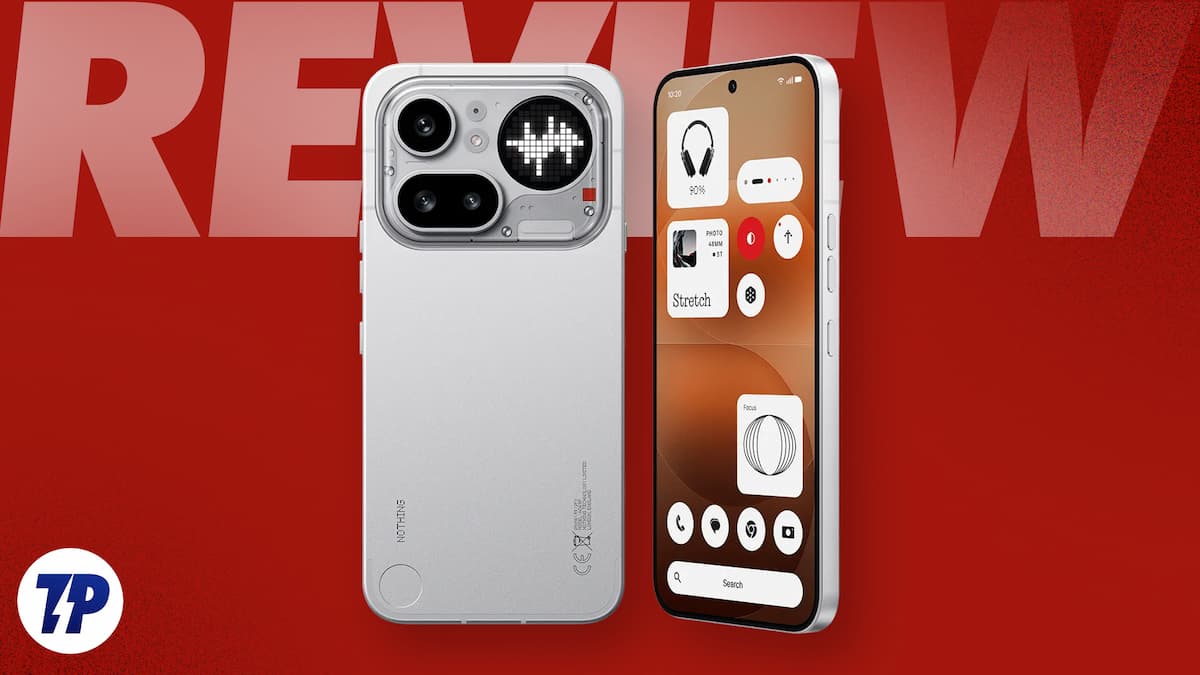
Table of Contents
Nothing Phone (4a) Pro Design and Appearance: Peak Geek that’s Weird, Wild, Wonderful, or Wizard, depending on you
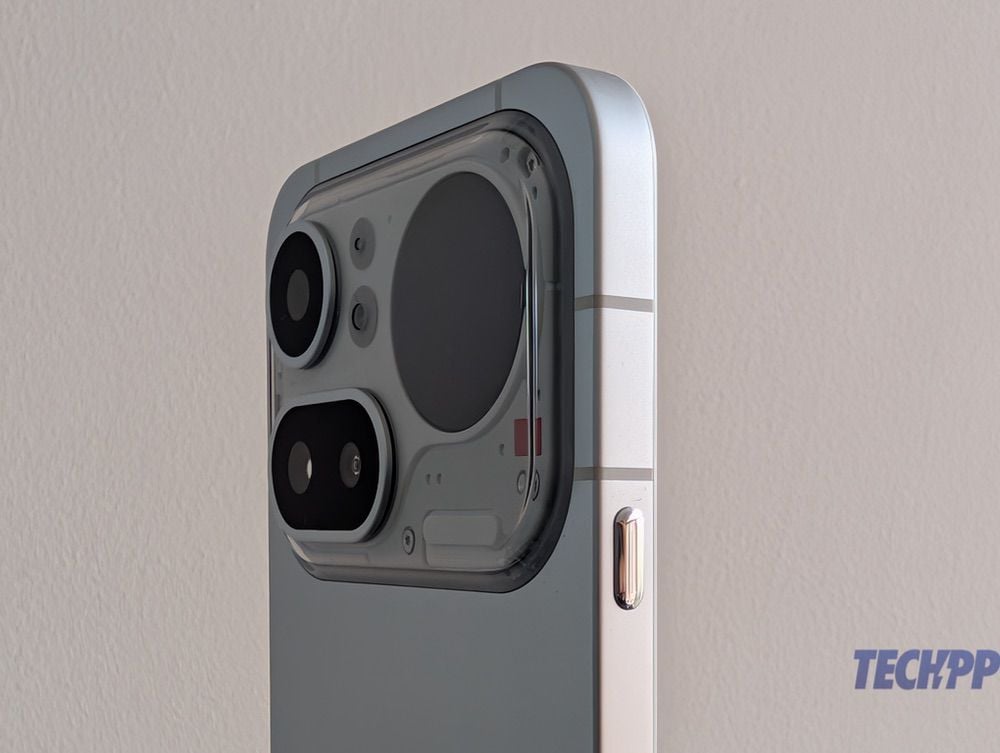
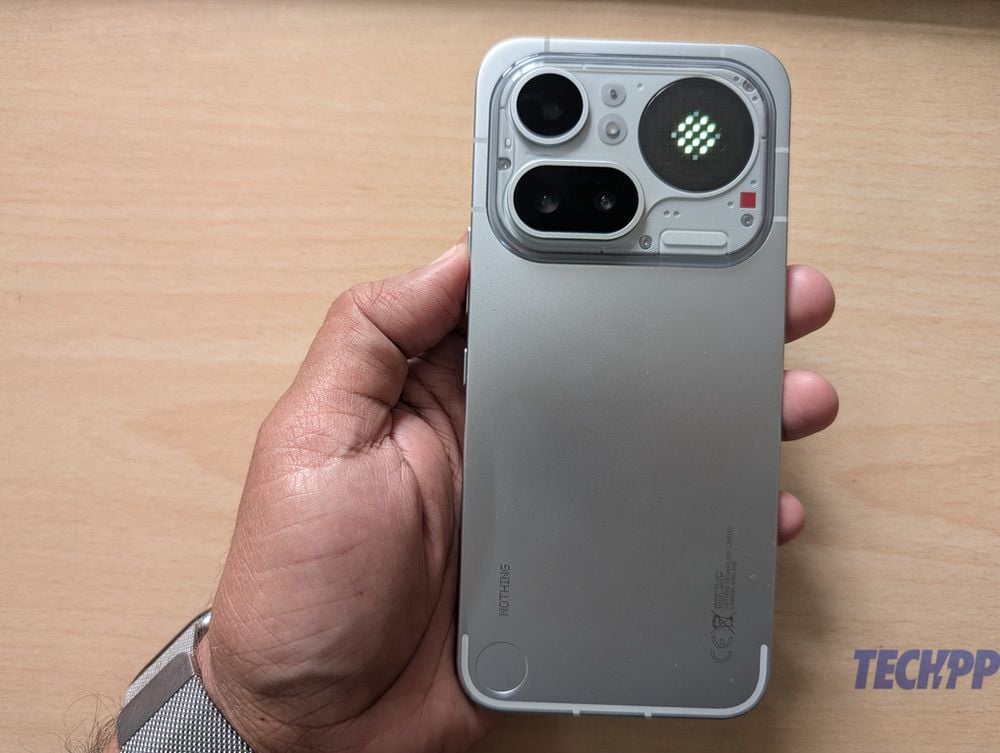
Nothing has designed some very different-looking phones, and the Phone (4a) Pro is perhaps the most different of the lot. In fact, it does not even look like any of its predecessors. The faux transparent back is gone and replaced by a sheet of metal. Perched on the upper part of the back is a camera unit that is similar to the one found on the iPhone 17 Pro Max. This “camera rectangle” has some of the transparent feel of previous Nothing phones, and comes packed with components – there are two cameras (one which stands alone, right above two that are in a horizontal pill-shaped unit), a large circular Glyph Matrix (which some have mistaken for a camera), a red indicator light, a flash, and some screws and panels and the like.
All this jammed together on the upper part of the phone makes a striking contrast with the rest of the back, which is almost totally plain, except for a slightly recessed circle. It is one of the oddest backs we have ever seen on a phone and is likely to be either hated or loved. Being ignored is not an option. Putting it on a table inevitably resulted in a number of questions, although a few of the “What on earth is THAT?” type.
The rest of the phone is relatively slim. The sides are metallic and straight and come with the new button arrangement seen on the Phone (4a) – the right side has the power/display on and off button with the volume buttons right above them, the left side has the Essential key, the base houses the Type-C port, a speaker grille and the SIM card tray and the top is totally bare. The front, of course, is all-display with very slim bezels.
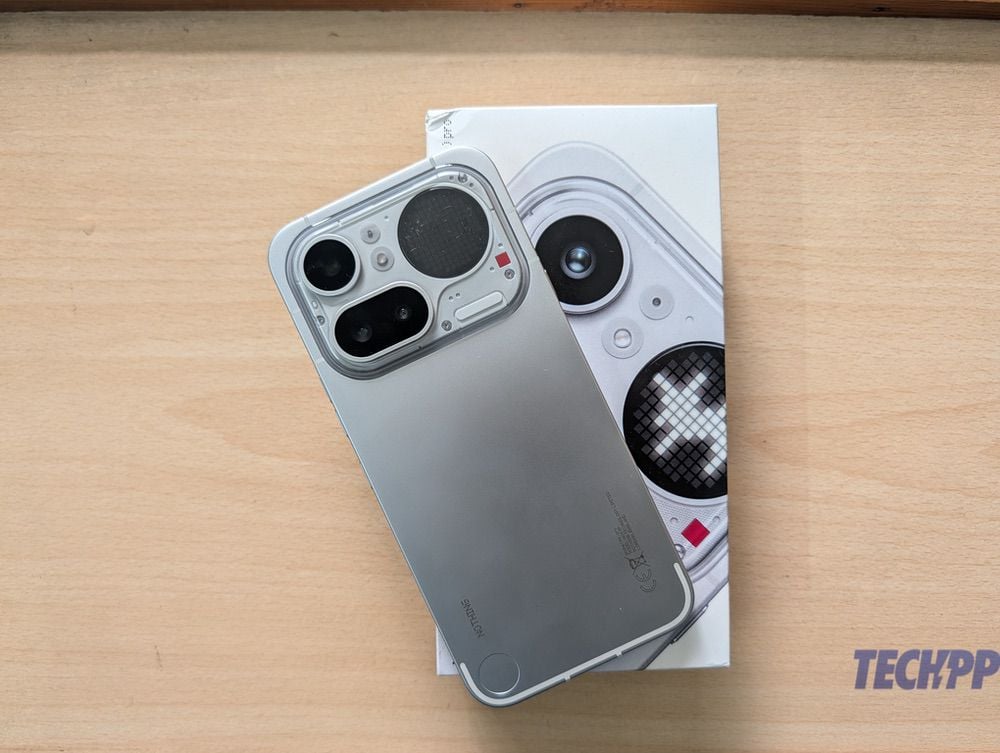
The Nothing Phone (4a) Pro is a big phone. At 163.6 mm in height, it is as tall as the Samsung Galaxy S26 Ultra and slightly taller than the iPhone 17 Pro Max (163.4 mm). It is, however, less wide than them at 76.6 mm (and is actually less wide than even the Nothing Phone (4a)), and at 7.9 mm, it is impressively slim for its size (the iPhone 17 Pro Max is 8.75 mm thin, for comparison). At 210 grams, it is relatively light for its size (the iPhone 17 Pro Max is 233 grams). The hand feel of the phone is very good, with the metal giving it a very solid and yet cool feel to it. We do hope more brands will get on the metal bandwagon.
The front is protected by Gorilla Glass 7i, and the phone comes with an IP65 rating to protect it from dust and splashes of water. Nothing claims that it can survive a fall into about 25 cm of water for up to 20 minutes. Those are handy, but not impressive figures in a zone where IP68/69 ratings are growing common.
Nothing Phone (4a) Pro Spec sheet and Hardware: Very much the better-specced Pro bro of the Phone (4a)
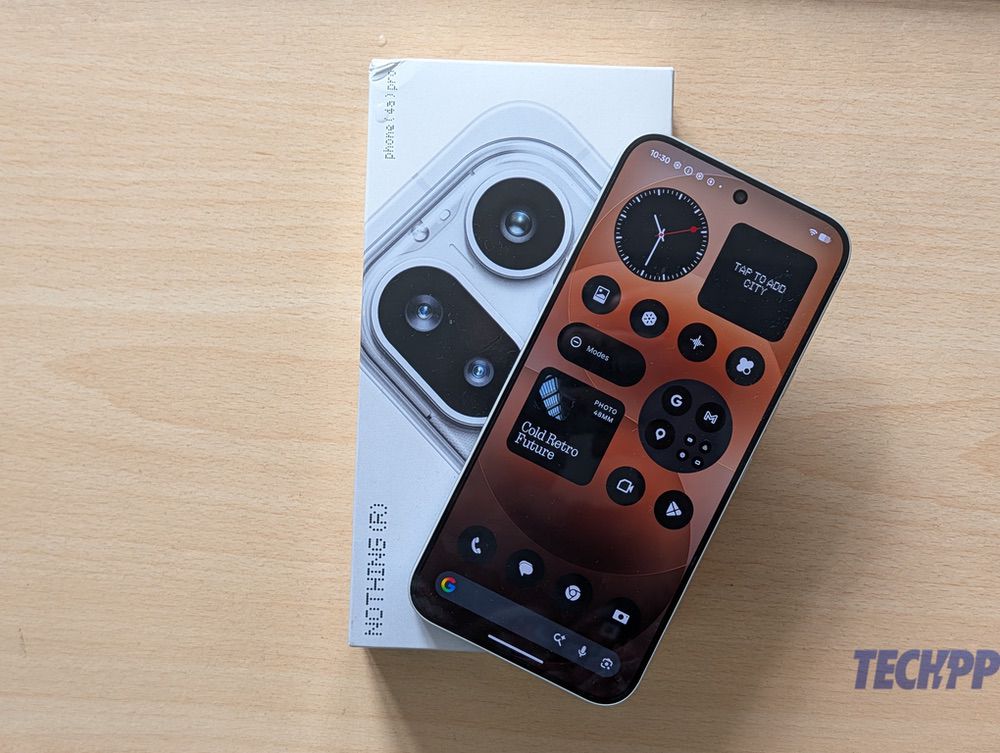
The Nothing Phone (4a) Pro comes with a spec sheet that is a level above that of the Phone (4a), justifying the Pro tag. It has a bigger 6.83-inch flexible AMOLED display with a higher resolution of 2800 x 1260 with a similar typical brightness of 800 nits but a higher peak brightness of 5000 nits, and also a higher refresh rate of 144 Hz. The processor powering the phone is also a bit more powerful – the Qualcomm Snapdragon 7 Gen 4, compared to the Snapdragon 7s Gen 4 on the Phone (4a). This is paired with RAM and storage configurations of 8 GB/ 128 GB, 8 GB/ 256 GB, and 12 GB/ 256 GB. While the storage is UFS 3.1 (same as on the Phone (4a)), the RAM is LPDDR5X, which is better than the LPDDR4X seen on the Phone (4a).
The camera configuration on the Phone (4a) Pro is similar to the Phone (4a) in terms of numbers – a 50-megapixel main camera with OIS, a 50-megapixel periscope telephoto with OIS, an 8-megapixel ultrawide, and a 32-megapixel selfie camera. While the optical zoom is 3.5x, the digital zoom is a staggering 140x, which Nothing claims is the first of its kind on a smartphone. The main sensor is also supposed to be better – a Sony LYT700C as compared to the Samsung GN9 on the Phone (4a).
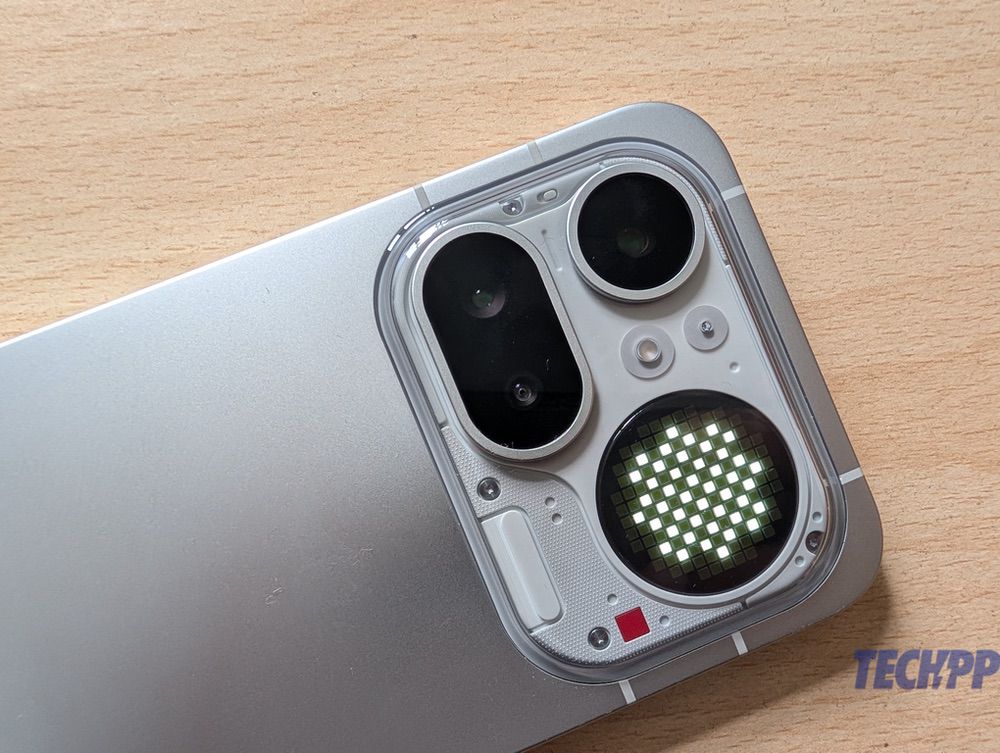
While both phones run on Nothing OS 4.1 on top of Android 16 and come with assurances of three years of major updates and six years of security patches, the Phone (4a) Pro comes with a large Glyph Matrix, as compared to the rather small Glyph Bar, giving us a much larger display to view not just notifications, but also other content and even use some Glyph toys. On the battery front, the Phone (4a) Pro is the same as the Phone (4a) – a 5400 mAh battery with support for 50W charging (which are not the biggest numbers in this segment), but with no charger in the box. There are stereo speakers for sound, and we also get NFC connectivity (something that is not present on the Phone (4a) in India). All in all, this is a spec sheet that is a step above the Phone (4a), but many users might expect a better processor at this price (there are a number of devices with Snapdragon Series 8 chips around at this price).
Nothing Phone (4a) Pro Camera and photography: Super main sensor overshadows zoom
Nothing might have hyped up the 140x zoom on the Phone (4a) Pro, but for us, the biggest photography hero of the phone is its main sensor. Some might find the colours to be slightly dull, but we loved the amount of detail we got from the main camera. Low-light photography is also surprisingly impressive for its segment, and we got some very striking colours even at night. The telephoto camera is very good for up to 3.5x zoom and delivers usable snaps even at 15x and even 20x zoom if the light is good, but the 140x zoom is more hype than actual performance. One can zoom that far on the Phone (4a) Pro, but images are low on detail and have a slightly smudge-y look about them. The telephoto also does a decent job in low-light conditions, provided we keep it stable. The processing time in the case of zoomed-in shots can be a bit irritating at times, but in most cases, it is worth it.
Portrait mode on the Phone (4a) Pro is generally very good, with well-defined subjects and creamy bokeh, with three focal length options. We just wish we could change the labels of bokeh after taking a snap, as we can on other phones. One also has the option to tweak different settings under the Expert mode, and there are a dozen presets that have different colour and tone signatures to give photographs a very unique touch. Video quality is very good from the main camera, but not quite as good from the telephoto. The ultrawide provides a different perspective, but that is really about all it does. We also found colour tones changing when we switched between the three cameras on the back, especially in low light conditions.
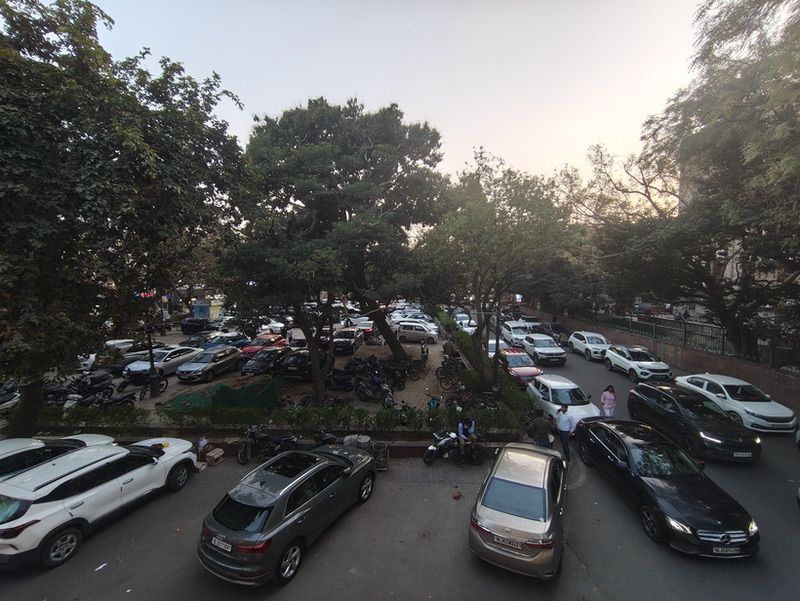

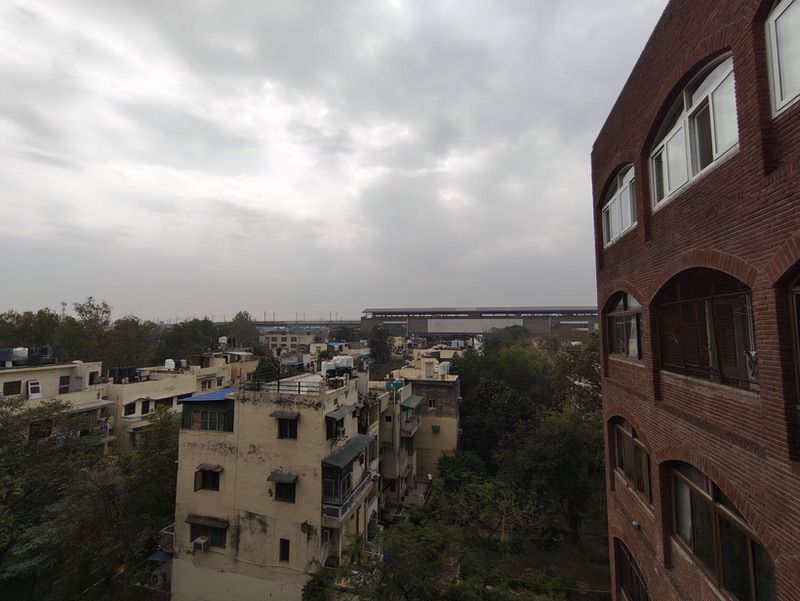


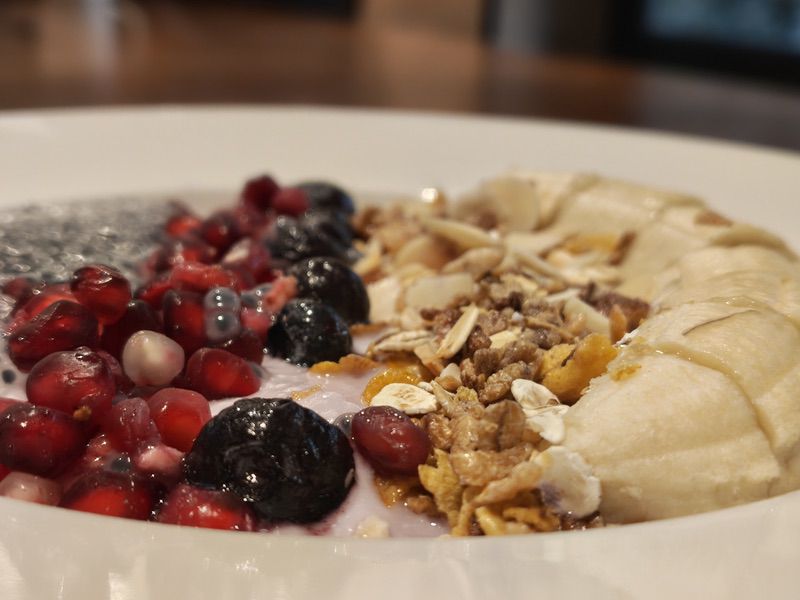
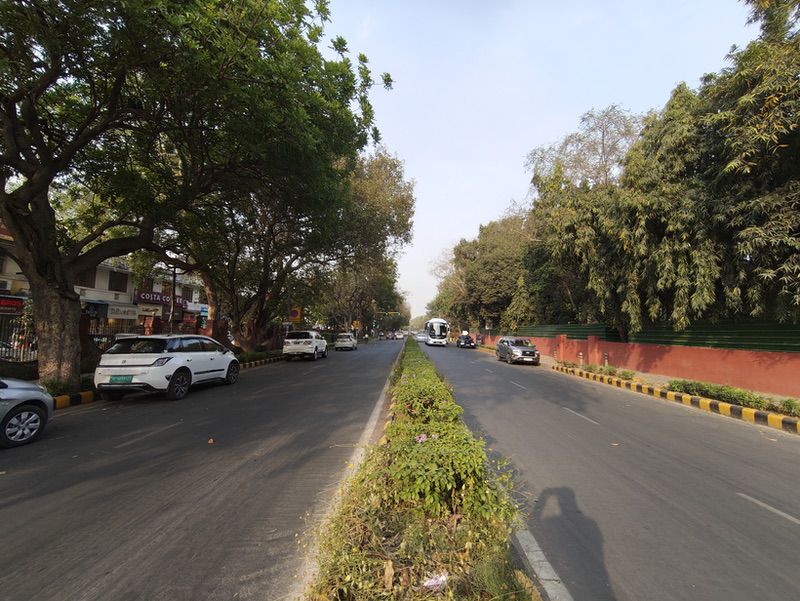




The 32-megapixel selfie camera delivers pleasant enough selfies, but is adequate rather than exceptional. There are two levels of retouching (smoothing and brightening skin, generally), and it can also be switched off totally, if needed. Details are generally good, and colours are slightly more saturated than on the rear cameras, but we do not think anyone will mind that. One can use the Glyph Matrix as a sort of mirror for taking selfies using the rear camera, but unlike on the Phone (3), one cannot see oneself very clearly, which kind of defeats the purpose. There are some AI tools to edit images, and even the Gallery has some very handy editing options, letting us do more with photographs and videos. The Phone (4a) Pro is a very good camera phone, but it does not shake up the camera scene the way its predecessor had. It seems like a much more able version of the Phone (4a) in the camera department than a massive upgrade of the Phone (3a) Pro.
Nothing Phone (4a) Pro performance: Smooth and clean, but Glyph Matrix and Essential Space are more WIP than USP
The better processor makes the Nothing Phone (4a) Pro a better performer than the Phone (4a) in the gaming zone. This is not a gaming phone, but the combination of a better display and decent stereo speakers, along with the Snapdragon 7 Gen 4, did give us a smoother experience with Call of Duty and Asphalt Racing than the Phone (4a) did, though we did need to turn graphics down. The phone also seemed to respond better to onscreen controls, and in spite of the metal back, it stayed relatively cool even during intense gaming sessions. That combination of display and speakers also makes the Phone (4a) Pro great for watching videos and shows.
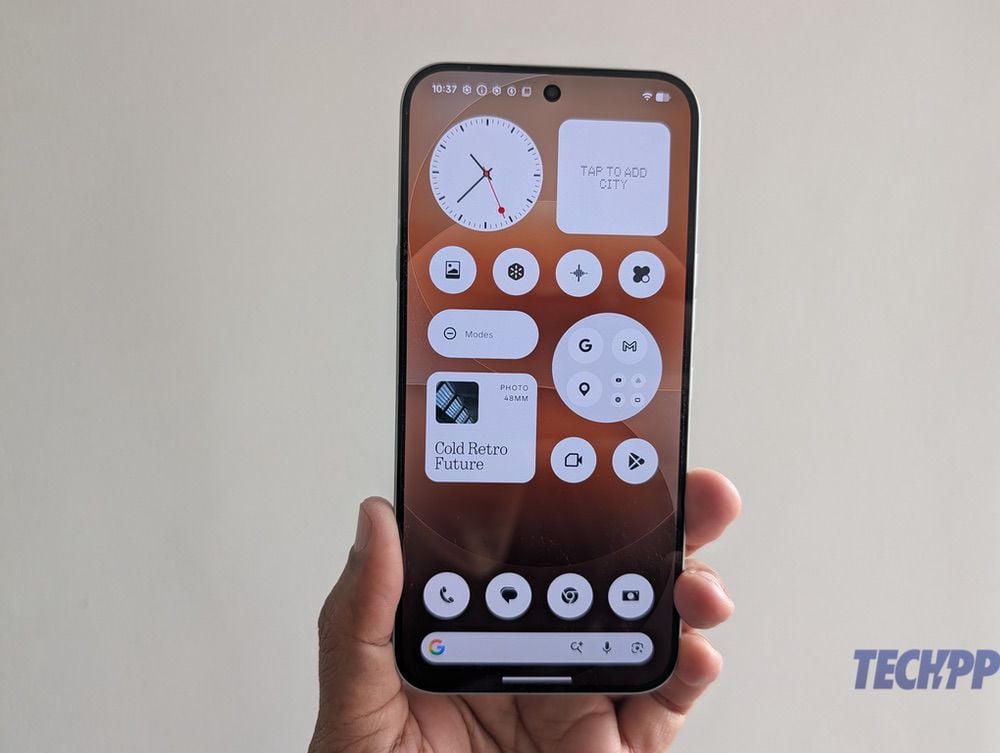
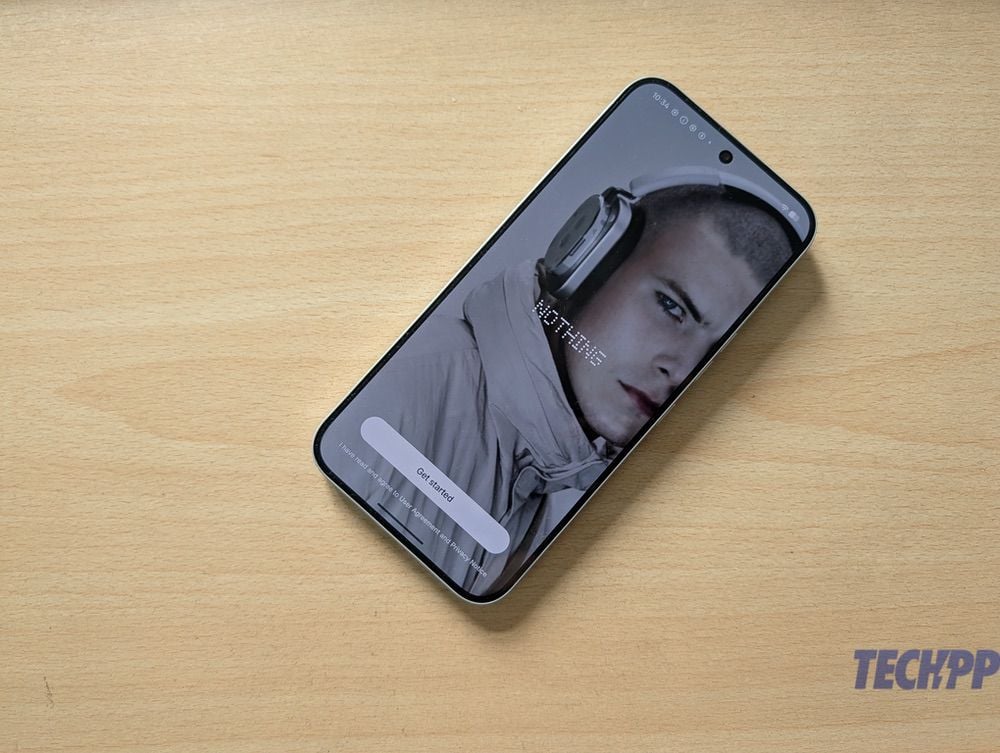
The Snapdragon 7 Gen 4 is great at handling everyday tasks like browsing the Web, doomscrolling social media, and keeping tabs on messages and emails. There is plenty of AI on board as well – Gemini and Circle to Search are there, as are most Google tools. There is also Nothing’s own take on AI in the form of Essential. The Essential key on the left lets us capture a screenshot, take a picture, or save a voice note. These are analysed and saved in the Essential Space. Also onboard is Essential Search, an AI-driven search tool for more concise answers, and Nothing even has its own Essential Apps space where you can make your own basic apps online. AI tools work well, although Essential Space and Search have a learning curve and, as of now, limited utility. Nothing OS remains one of the cleanest and uncluttered interfaces one can find. This phone is a very smooth operator, although its size can be a little difficult to manage.
The one part of the phone that we found a little underwhelming was the Glyph Matrix at the back of the phone. It is larger than the one on the Phone (3) but is much more limited, and has no dedicated button to control it. As a result, tweaking it meant going all the way into Settings or swiping down and going to the Glyph Interface shortcut. One can see the path of the sun, the time, incoming calls, and view changes in volume, and also progress on apps like Uber and Zomato, but there are very few glyph toys, and as we pointed out in the camera section, it is of limited use as a viewfinder for selfies with the rear camera. Even looking at the time is not a very slick experience as the clock looks a little large, and the progress of a courier looks like a cigarette burning down. This being Nothing, we are pretty confident that the Glyph Matrix will improve with software updates in the coming days and become more useful, but as of now, it is more of a quirk than a USP.
Call quality on the phone is excellent, and the fingerprint sensor works efficiently. It is not a speed demon or designed for heavy-duty tasks, but in everyday life, the Phone (4a) Pro provides one of the smoothest and most uncluttered experiences one can get in the segment.
Nothing Phone (4a) Pro Battery life and charging: Gets through a day…just about

The Phone (4a) Pro comes with a similarly sized battery as the Phone (4a) – 5400 mAh. However, while the Phone (4a) got through a day of normal to heavy use, we had to be a little more careful with the Phone (4a) Pro, which would start running low towards the end of the day. We guess the bigger, higher resolution display and higher refresh rate, as well as Glyph Matrix, do drain resources a little. Slightly more careful use, however, got us through a day of use. While this is more than adequate for most users who anyway charge their phones at the end of the day, it is well below what other brands are offering at this price point.
In terms of charging speed, too, the Nothing Phone (4a) Pro is decent rather than exceptional. It charges at 50W, but has no charger in the box itself. A 67W charger got it from zero to full in about 65-70 minutes, which is very similar to the Phone (4a). However, charging it for about half an hour got us about 55-60 per cent, which, if handled carefully, can see one through a decent portion of the day.
Nothing Phone (4a) Pro pricing: More expensive than before
The Nothing Phone (4a) Pro comes in the following RAM and storage options at these prices:
- 8 GB/ 128 GB: Rs 39,999
- 8 GB/ 256 GB: Rs 42,999
- 12 GB/ 256 GB: Rs 45,999
This is significantly more than the Phone (3a) Pro, which started at Rs 29,999. The phone does come with better hardware, but the price hike puts it in direct competition with much better-specced devices, especially in terms of processor, battery, and charging speeds (and with chargers in the box too). In fact, it is now much closer to the budget flagship segment.
Nothing Phone (4a) Pro Competition and challengers: Poco, Pixel, Vivo…and even a non-Pro bro
Poco X8 Pro Max: Spec monster
Rs 42,999 onwards
Bigger display, (much) bigger battery, (much) faster processor, and a base model that comes with 12 GB RAM and 256 GB storage make this the spec monster in the zone.
Pixel 9a: Clean Android, compact phone, and a great main camera
Rs 39,999 onwards
Those who love clean Android and timely updates will love this compact smartphone. The main camera is great, and you get a truckload of Google AI smarts too.
Vivo V70: Camera boss for a little more
Rs 45,999 onwards
Easily the best camera phone below Rs 50,000, with a very good main and telephoto, and even a super selfie snapper. It might come with a higher price tag, but then it begins with twice the storage of the base Phone (4a) Pro.
Nothing Phone (4a): For a more transparent feel
Rs 31,999 onwards
A super option for those who want the “classic” Nothing Phone look and UI, and find the Phone (4a) Pro a little overwhelming in terms of design and/or budget. Very good cameras and super smooth performance.
OnePlus Nord 6: Waiting in the wings
TBA
We normally do not mention forthcoming devices in this category, but it is hard to ignore the Nord 6, which is expected to be priced in the same zone as the Nothing Phone (4a) Pro and is expected to come with very good specs.
Nothing Phone (4a) Pro Review Verdict: This Nothing is Something for the “different” user
We are going to keep it very simple – the Nothing Phone (4a) Pro is for those who want a very good mid-segment phone that looks and feels different and works differently too. As the list of its challengers shows, there are phones with comparable and better specs, especially in the processor and battery department (the absence of a charger in this segment remains odd), but its design and interface make this the phone for those who value a different experience rather than benchmarks. Most important of all, beneath that radical exterior and innovative touches (Glyph Matrix, Essential AI) is a phone that goes through everyday life without any hitches.
The Nothing Phone (4a) Pro is actually an excellent mainstream mid-segment performer that looks anything but mainstream. For many users on a mid-segment budget in the vicinity of Rs 40,000, that could make this Nothing just the something they were looking for. Yes, it does come with a slightly premium pricing in terms of specs, but then the Phone (4a) Pro is not a spec specialist, but a pirate in a sea of smartphone sameness.
- Very different design with a metal build
- Very good display
- Clean interface
- Smooth performance
- Innovative Glyph Matrix
- Very good main and telephoto cameras
- Glyph matrix is limited
- No charger in the box
- Battery life and processor are not as good as the competition
| Design & Appearance |
|
| Software |
|
| Cameras |
|
| Performance |
|
| Price |
|
|
SUMMARY
The Nothing Phone (4a) Pro is for those who want a very good mid-segment phone that stands out, feels different, and works smoothly, not one chasing specs. |
4.1
|

