

Macro is one of the most exciting photography modes, allowing you to get extreme close-up shots of beings and objects. However, it can also be extremely challenging, as one has to get very close to the subject (often to within a few centimeters of it) to get a clear shot with a lot of details, giving one a whole new perspective of the world around us by letting us see things that are otherwise not visible to the naked eye – the patterns on the wings of a dragonfly, the pollen on the feet of a bee, the threads that make up a fabric, an ant balancing a tiny cube of sugar, and so on. Professional photographers generally have dedicated lenses for the purpose, called (duh!) macro lenses.

Macro on mobile phones – possible, but living on hope
As in all things photographic, macro photography has made its way to mobile phones too. But as there is very little scope for attaching lenses to phones (options exist, but are not easy to use), phone cameras generally give the task of macro photography to one of the (three or four) cameras on their backs. Budget and mid-segment devices often have a dedicated macro camera.
Still, as this is generally of inferior quality and comes with a low megapixel count (often 2 or 5 megapixels), image quality is not the greatest. When it comes to flagships like the iPhone, Galaxy S series, and the Pixel series of phones, macro photography is generally entrusted to the ultrawide camera as this is the camera with the shortest focal length and, therefore, lets you get very close to the subject you wish to capture. In fact, many flagship phones automatically switch to the ultrawide sensor when they sense you are getting very close to your subject – what some refer to as an auto macro mode.
While smartphones can and have produced some wonderful macro snaps, they tend to be rather limited in this regard. Dedicated but low-quality sensors do not deliver great images. Although most ultrawide sensors can deliver good images, they involve getting very close to the subject and often do not have good autofocus (many ultrawide sensors are actually fixed focus as their primary objective is to capture a large landscape) and have very little in terms of innovative use.
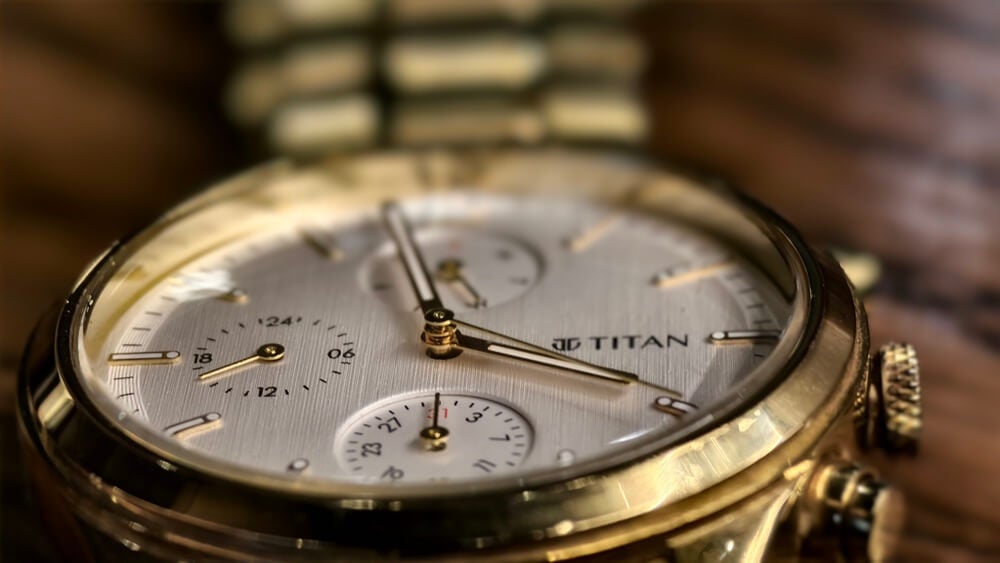
Macro photography in phones is literally a journey of hope: the hope of getting very close to a subject without its moving or noticing, hoping that the phone itself does not cast a shadow on the image, hoping that the phone stays steady enough (again a big challenge) for a clear shot, and hoping for the best as you hit the shutter or capture button. There is a lot of trial and error involved, and you have as much chance of taking a great close-up shot as of ending up with a blurry mess.
Telephoto macro – Vivo’s take on close-ups from a distance
The Vivo X100 Pro is looking to change this with a very different approach to macro photography. As we pointed out in our review, the phone, which comes with cameras with Zeiss optics, has three 50 megapixel cameras on the back – a one-inch main sensor, a telephoto sensor and an ultrawide. While the phone does come with a regular auto macro (close-up), which senses when the phone is very close to an object and generally switches over to the ultrawide (you can see the subtle switch happening) in this mode, it also has a new macro mode which we have not seen before – the telephoto macro.

In the simplest terms, without getting too techy, the telephoto camera in the Vivo X100 Pro can also double up as a macro camera. It gives you a close-up snap of your subject by zooming into it from a distance. As the phone comes with a very good 4.3x optical zoom telephoto, this means you can actually get macro-like shots of objects without having to get too close to it. But then, surely you should be able to do so with any telephoto/zoom lens, shouldn’t you? Well, not as well as this. The telephoto sensor on the Vivo X100 Pro is what the brand calls a “floating telephoto” sensor, which has been marketed for its ability to let you shoot portraits at different focal lengths, a feature we also saw in the Xiaomi 13 Pro. However, where Vivo has pulled a rabbit out of the hat is in tweaking the lens for macro-like shots as well.
The feature is called ‘super macro’ and is available in the camera app. Switch it on, and the camera switches straight away to a 4.3x zoom and starts identifying focus points. The camera might ask you to step a little further back to be able to focus better. It generally takes a few seconds to get everything right, but once it has, you get some astonishing closeup snaps of your subject. In some cases, you can even move the zoom to 8.6x without any noticeable loss of detail.
The Vivo X100 Pro is the Macro Master, but will others follow suit?

The results are images that seem to have been almost taken from a very close range, with a lot of detail and very rich bokeh. All this while keeping the cameras about 12-20 cm away from the subject. In fact, with 8.6x zoom, you can even get a macro-like snap from a couple of feet away if the light is right. Also, these images are quite different from the ones you would get using the ‘regular’ 4.3x or larger zoom. Vivo has tweaked things to ensure you get slightly sharper focus and more bokeh than from conventional zoom shots. What’s more, the ‘super macro’ mode seems slightly more zoomed in than normal telephoto, although the difference is very small. You can also actually even opt to shoot in manual focus mode if you wish, altering the levels of bokeh. This is almost DSLR-like sorcery. It does have its share of issues – images can sometimes seem a little too dark, and on some occasions, the camera simply refuses to focus, but these are rare occurrences. For the most part, the Vivo X100 Pro’s super macro made the phone a macro master!
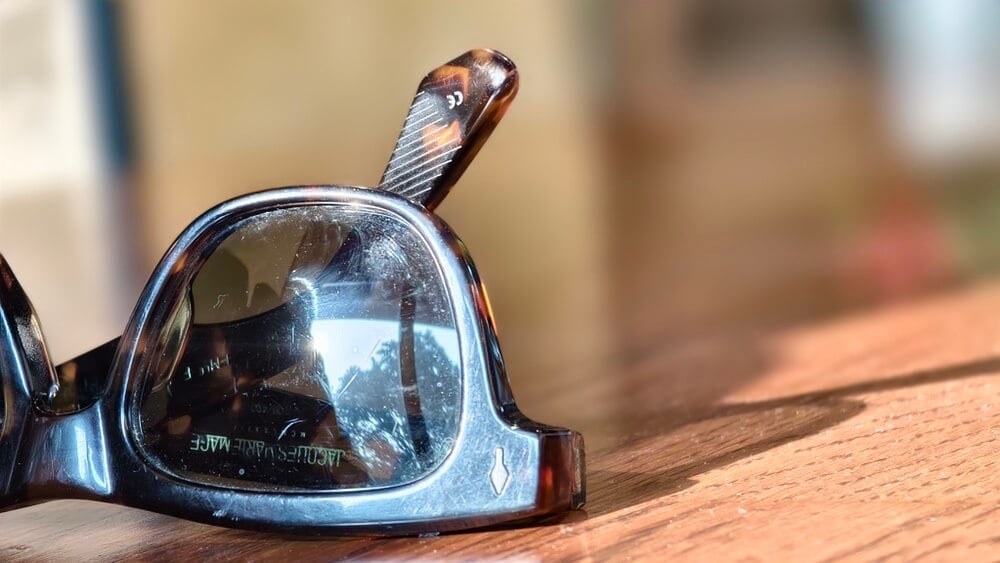
Purists might say that this is not classic macro photography as the camera is not actually close to the subject and that there is some computational wizardry involved, but the fact is that Vivo’s twist on macro photography removes a lot of the uncertainty associated with macro photography on the phone. As you can be at a distance from your subject, you have lesser chances of disturbing it. There is no chance of the camera’s shadow falling on the subject, and keeping the camera stable is easier. Most important of all – and we think this is what really counts – you end up getting fantastic results. We have been reviewing camera phones for a while and have never been this comfortable and relaxed while taking macro shots. We also have never got macro pictures of such consistently high quality from a phone camera.
This leads us to think that it is perhaps time that other brands too moved from ultrawide to telephoto cameras when it comes to macro photography. Our sources tell us that the floating telephoto lenses needed for this are expensive, and the software involved is complex, but costs could come down if more brands adopt this path. Periscope Zoom at one time, was a flagship preserve. Today, it is visible even at lower price points. Even multiple cameras and OLED displays were a rarity about a decade ago, and today, they are fairly mainstream. It would be awesome if the same happened to telephoto macro, as most of us do love close encounters of the macro kind!

