

In Summary
- Mark Zuckerberg took the stage recently to showcase the new Ray-Ban Meta Glasses as well as the Meta Ray-Ban Display.
- Both products, especially the Display, are very futuristic and yet, thanks to Meta’s social media muscle, could easily slot into our daily tech lives.
- If handled properly, Meta’s smart glass play could provide Mark Zuckerberg with his second huge success after Facebook, and even change the way we communicate, reminding us that behind that billionaire deal maker, there lies a (still) radical innovator.
In 2003, Harvard shut down a problematic platform called Facemash. A 19-year-old Sophomore then coded something in his dorm that reshaped how we socialize. Mark Zuckerberg can claim to have changed the world when he founded Facebook in 2004. Of course, at that time, even Zuckerberg did not know that this one platform would revolutionize how we connect with the world around us. He only created it for Harvard students as a private network to allow students to get to know each other better. But the potential of the platform could not be limited to just Harvard, and it began to gain popularity and momentum. Facebook (which was TheFacebook back then) attracted a number of investors, and finally, in 2006, the social media platform announced that it would be open to all – anyone with a valid email address and who was at least 13 years old could sign up. The rest, as they like to say, is history.
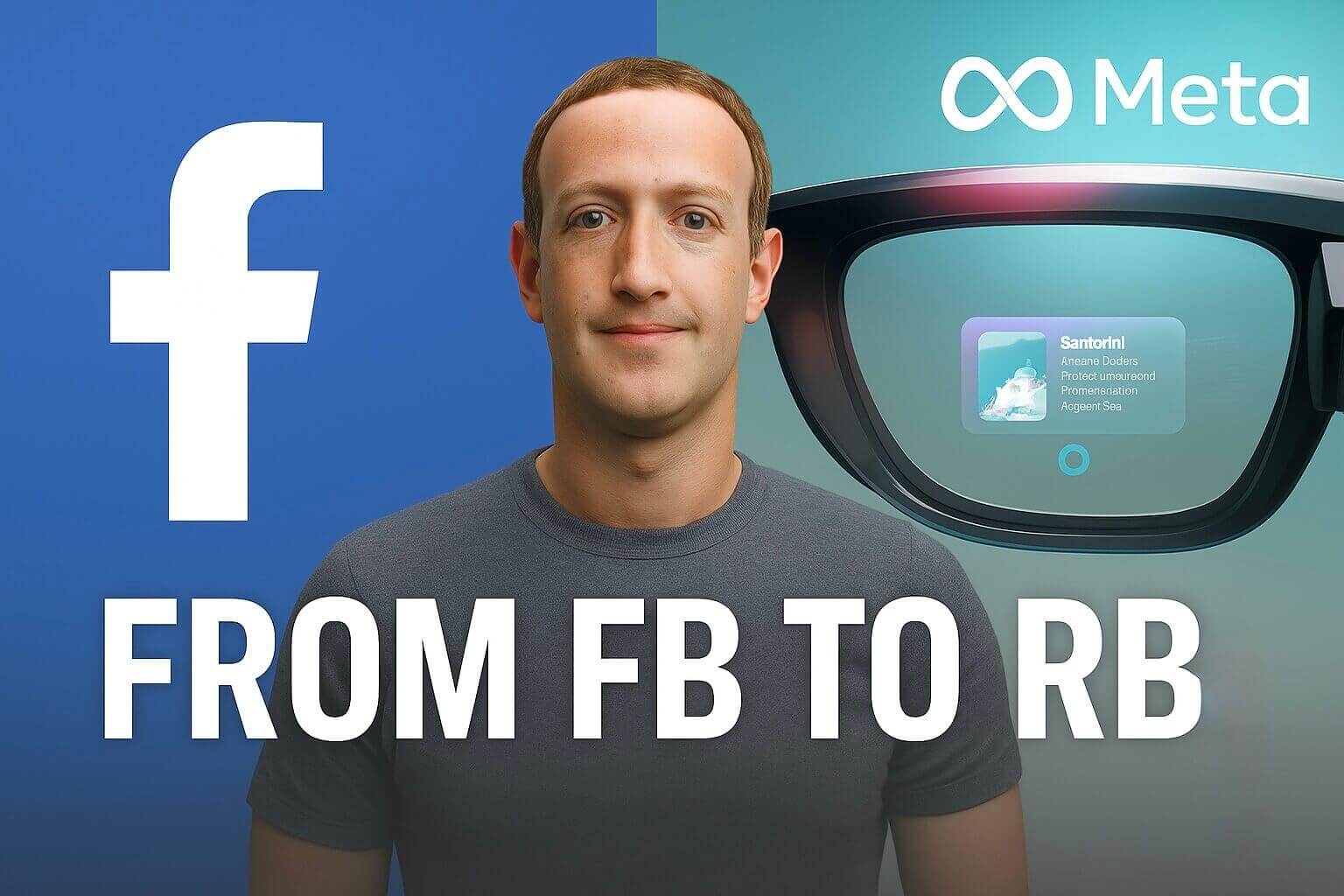
See you later, innovator?
At that time, Zuckerberg was seen as a wunderkind, someone with exceptional talent who changed the social media space completely. But the years that have passed since the launch of Facebook have seen Zuckerberg being seen as more of a better investor/businessman than a revolutionary inventor. Facebook (now Meta) grew manifold and became the largest social media platform in the world, and still holds the title with over 3 billion monthly active users, but is largely known for buying other platforms and copying features from others. Meta acquired WhatsApp and Instagram in what were considered huge takeovers at the time, and also tried to buy Snapchat and put a bid on X (formerly Twitter) as well. It also introduced Snapchat-like features called Instagram stories, copied TikTok’s video format called Reels, and went on to create a whole new social media platform to tackle X’s popularity by launching Threads.
While most of these acquisitions have yielded and continue to bring incredible business and also play a crucial role in keeping Meta relevant (even as many think Facebook has lost its original attraction), none of these moves have put Zuckerberg in the same light as creating Facebook did. Like Bill Gates, he seemed to have moved from being an innovator to a corporate hotshot who negotiated deals and hobnobbed with heads of state. But that could change.
Seeing a new Meta story through Ray-Ban?
Zuckerberg recently launched new smart glasses in collaboration with Ray-Ban. Called the Ray-Ban Meta Glasses, their first iteration was launched back in 2021 when Meta collaborated with EssilorLuxottica, the parent company of Ray-Ban, and created Ray-Ban Stories. That version was relatively basic– it had dual 5 megapixel cameras, speakers, and mics that let you record and share photos and videos.
Then, in 2023, Meta took these relatively basic camera sunglasses to another level when it launched the first-gen Ray-Ban Meta smart glasses. These had an improved 12 megapixel ultrawide camera, were powered by Qualcomm Snapdragon AR1 Gen1 chipset, came with an IPX4 rating, were lighter and with a better charging case, and also came with improved audio and microphones, with some AI powers to round it all off.
This was Meta’s first significant step towards creating a product that could get it back into the same innovation zone as Facebook did.
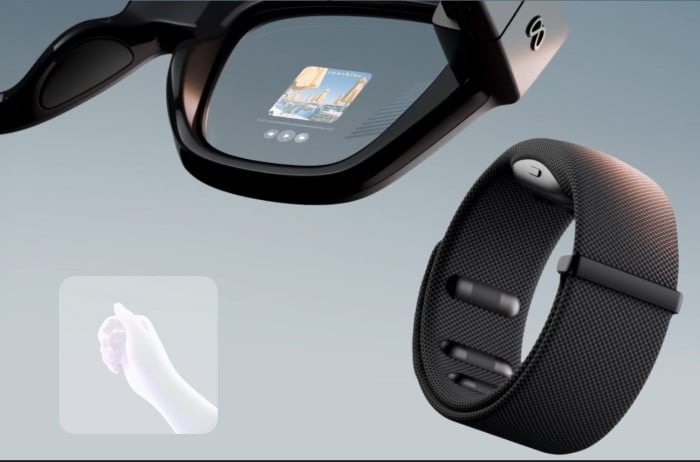
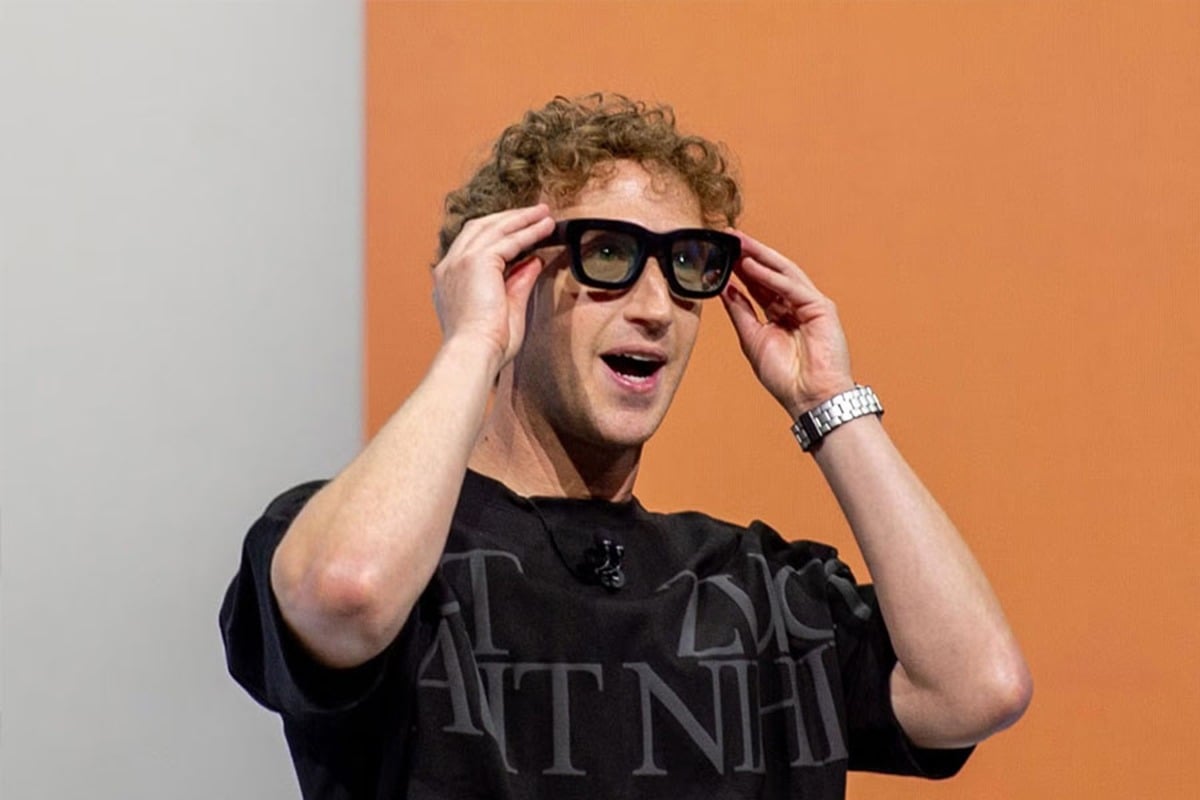
Zuckerberg took to the stage again at the annual Meta Connect event to launch the second-generation Ray-Ban Meta glasses and to unveil a Meta Ray-Ban Display, which came with a display and neural wristband. And both of these products are not just potentially a massive leap forward in the world of wearables, especially sunglasses, but could also get back to Meta and its founder’s innovative sparkle.
Glasses get better, Display gets magical!
That’s because the second-generation Ray-Ban Meta glasses come with a number of upgrades, which take them out of the “curiosity” zone and could potentially make them real-world stars, notwithstanding a premium price tag. Video resolution of the camera goes up to 3K at 30 fps, while the older model was capped at 1080p, and now there’s ultrawide HDR video recording at 60 fps. Meta has also significantly improved the battery life – the new Ray-Ban Meta glasses offer up to 8 hours of battery life, almost double the battery life of their predecessors.
There is fast charging too – the glasses can get up to 50 per cent charged in about 20 minutes, and the case’s battery life has also gone up to 48 hours from the last generation’s 32 hours. AI tools have also been taken a notch up with features like Live Translation and Conversation Focus. Top that off with seamless connectivity with Meta’s platforms that enable features like WhatsApp calling and the ability to post a video on Instagram, and you have a device that is handy for a “normal” person and not just a geek gadget.
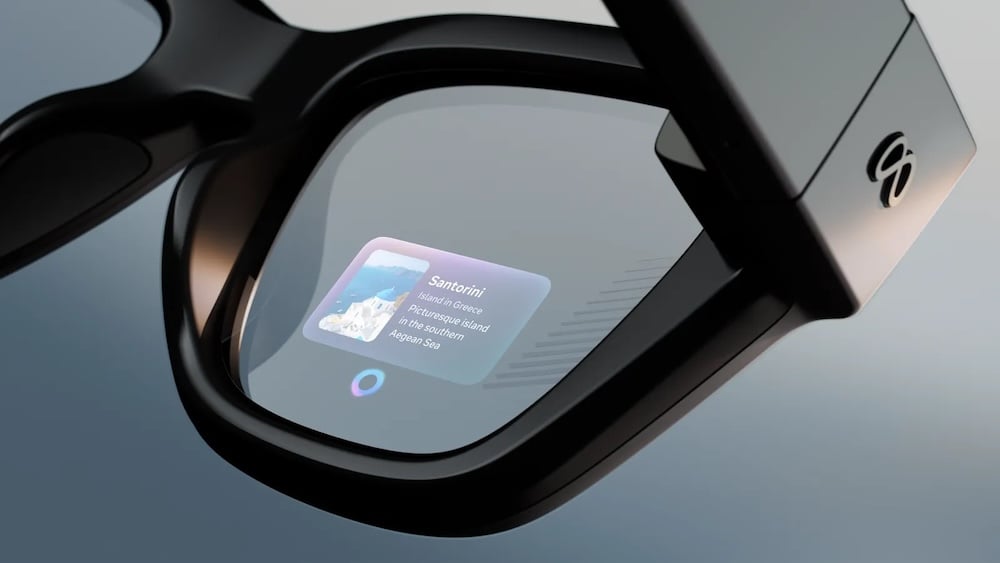
If the second-gen Meta Ray-Ban display glasses are impressive and more useful than their predecessors in the present day and age, the Meta Ray-Ban Display is futuristic and potentially revolutionary. This is because, along with the 12 megapixel camera, Meta built an actual display within the glasses. And not just any display, it is a 600x600px hi-res full-color display built into the bottom of the right lens – a single lens display. It appears and disappears on command, almost magically. There are also 6 mics on board. You can use Meta AI to ask about the weather and get a visual update on the glasses, and get captions of the conversations happening live in front of you.
There is more: you can use the glasses to discreetly send messages on WhatsApp, Instagram, Facebook Messenger, or through your network. You can also use Meta AI to get suggestions on what is around you, make two-way video calls, manage your day, and compose and capture photos. The neural band, coupled with the glasses, makes your experience more intuitive by learning your muscle activity. It is not perfect (battery life is lower than the glasses), but the Meta Ray-Ban Display is like nothing we have seen or heard of, and it seems like something right out of the future. Just like Facebook did – there was nothing quite like it.
The Glass Road Less Traveled: Is this Zuckerberg’s second “Facebook moment”?
Just as there were no social media platforms before or during Facebook’s time, there have been smart glasses from other brands, most notably Google and Snap. But none of the efforts made in the field have ever seemed as substantial and futuristic while still seeming to fit into our already tech-heavy lives like Meta’s latest Ray-Ban products. They have a lot going for them – two great brand names, lots of AI, some terrific tech, and last but not least, access to Meta’s network of social media platforms and WhatsApp. All those investments and acquisitions made by Zuck the businessman might bring back Zuck the Innovator.
It is not going to be smooth sailing, because while smart glasses have been around in conceptual terms for a while, they remain completely new territory for the vast majority of consumers, and also come with a steep learning curve. And even if they do manage to go mainstream, there will be several issues, most notably those related to privacy and security. People are already voicing concern about how these glasses could be used to film or take pictures of people and documents without permission.
That said, if there is a brand and a person that has the resources to put all this together and tackle the issues that come with it, it is Meta and its master, Mark Zuckerberg. He remains one of the wealthiest people in the world (number 3 in the Forbes list at the time of writing), and Meta is in the top 25 of the Fortune 500. Whatever problems Meta’s glass-ic future might face, resources are unlikely to be one of them, as it seems like all that man-and-mind power that Zuckerberg has been hoarding and building up could finally be put to some original, innovative use. It all really depends on how far the man who made Facebook wants to go on the glassy road less traveled. With Facebook, Zuckerberg changed the way we connected to each other. The new Meta Ray-Ban devices have the potential to do the same, literally placing a computer on our eyes, and could potentially even replace mobile phones.
Mark Zuckerberg needs to get out of the corporate office and into Harvard dorm mode again. For, if handled well, this could be his second “Facebook Moment.”

