

In Summary
- Xiaomi is planning to launch its flagship Xiaomi 15 series of phones in the Indian market soon.
- The launch is the latest step in Xiaomi’s “premiumization” initiative, as it moves up the price ladder with more premium offerings.
- While Xiaomi’s premium products have been generally well-received, the brand is still largely perceived as a “value for money” lower and mid-segment brand, mainly due to its bestselling Redmi series of phones.
- As Xiaomi gets set for the launch of another premium range of devices, we ask whether the time has come for Xiaomi and Redmi to perhaps part ways for a while.
In popular Hindi cinema (“Bollywood” as some like to term it), there is a plot line so popular that it has got cliched: two siblings who love each other dearly go with their parents to a mela or a festival (often a Kumbh Mela, which is the biggest of them all). Just when they are having an absolutely wonderful time (and have sung songs of love so brotherly that they are almost motherly), disaster strikes in the form of a riot, dacoits, earthquakes, or whatever the screenplay writer(s) have up their creative sleeves. The siblings get separated from each other. They grow up, leading different lives, become successful in their own right, and then fate (read ‘screenplay writer’) brings them together (often with some help from the same motherly brotherly song) for a happy ending.
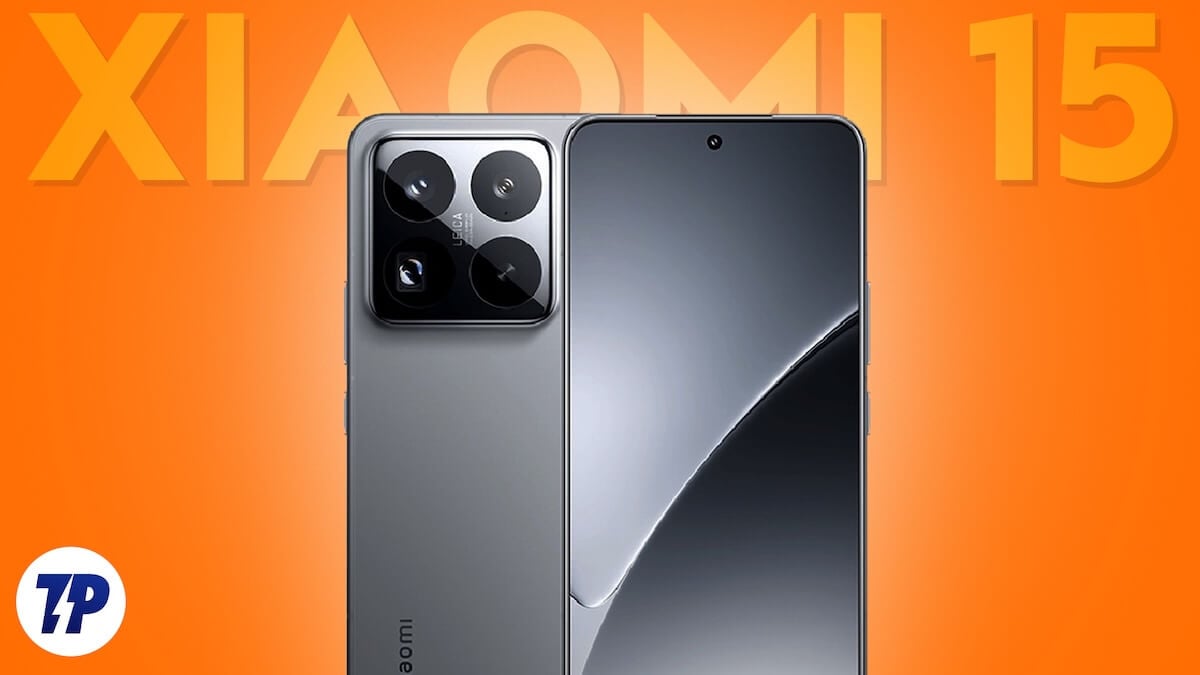
Why are we starting a tech feature with Bollywood plot outlines? Well, we just heard that Xiaomi is planning to launch its Xiaomi 15 series of premium flagship phones in India in a few days, which is in line with its global launch. This is great news and another step forward for the brand in its quest for “premiumization” in India, but also makes us realize that it is time that the brand got a life and identity of its own in the country, where it is largely known for its Redmi range of products.
Now, Xiaomi and Redmi have been wonderful siblings, but as Xiaomi proceeds on a more premium path, perhaps it is time they went to the tech equivalent of a Kumbh Mela and got separated. They do not need to sing brotherly songs or anything, but just need to lead separate lives. Well, for a while at least. They can always get back together after a while, thanks to tech fate (no songs needed this time either).
No, we are not being heartless and/or trying to destroy a happy home. The simple fact is that Xiaomi in India at least, definitely seems to need a break from Redmi, because like so many relationships these days, this one is getting a little toxic. Sounds hard to believe? Well, allow us to explain using another standard Bollywood feature: the flashback.
Starting out as the “Chinese Apple”
When Xiaomi arrived in India, it was nicknamed the ‘Chinese Apple’ because many considered its designs and interface to be largely inspired by the legendary Cupertino company. Although it began its India journey by offering its Mi 3 flagship at a staggeringly low price (Rs 13,999 for a phone with a flagship-level processor was an unbelievable deal in 2014, even though the phone was almost a year old), but then moved up the price ladder, following a trajectory similar to OnePlus. However, around 2017, the brand seemed to rethink its India strategy, putting its premium flagships on the back burner and instead focusing on its more affordable and value-for-money Redmi range.
The move paid rich dividends, as Xiaomi went from being a relatively small, mainly online player to the country’s number one smartphone brand. However, this silver cloud of victory had a dark lining – its almost total reliance on the Redmi brand gave many the perception (justifiably) that Xiaomi was mainly a lower and mid-segment player that fought mainly on price. It was not as if Redmi phones were not well-designed. Many of their devices, like the Redmi K20 series and the Redmi Note 7 series were very eye-catching, but their biggest USP remained their price.
The fact that Xiaomi largely stopped releasing its premium-priced devices under the Xiaomi brand, and even released lower-priced devices like the Android One A series under Xiaomi branding further reinforced the impression that in India. Xiaomi was mainly a price warrior, delivering impressive specs at remarkably affordable prices.
Ending up as the Tech McDonald’s

That perception has become an Arctic iceberg to Xiaomi’s Titanic-sized premium segment aspirations in India. While the brand’s premium offerings ranging from the Mi 10 to last year’s Xiaomi 14 series have generally received very favorable reviews and are believed to have done reasonably well in sales terms, they have not yet enabled Xiaomi to shrug off its “great specs at bargain prices” Redmi reputation. This might be the reason why the brand has been unable to dent the dominance of Apple and Samsung in the premium smartphone segment in India. “If we launch anything priced above Rs 25,000, it is considered overpriced,” a Xiaomi executive remarked bitterly after a Xiaomi flagship launch a few years ago.
The brand that had started out as the Chinese Apple is pretty much the equivalent of a tech McDonald’s right now – mainstream, tasty, affordable, and loved by many, but not exactly the place you would head to for a really special occasion. Or as one executive from a rival brand put it, “They are massy, not classy.”
Time to lead somewhat separate lives (go loco like Poco)?

This is why even as Xiaomi gets ready to roll the premium phone dice in India one more time, we think that it needs to start shedding its Redmi baggage. That does not mean getting rid of the Redmi brand (a move that is as unrealistic as it is suicidal), but distancing the Xiaomi brand from it. At the time of writing, both Xiaomi and Redmi are seen as siblings, brothers from the same Mi mother, with similar teams, spokespersons, messaging, and even presentation styles. That is great for uniformity and consistency but becomes a bit of a two-edged sword when you are trying to sell two product series that make chalk and cheese seem like identical twins.
Of course, all this is easier said than done. But to its credit, it is something that Xiaomi has done before – it not only relaunched Poco as a totally separate brand with a very distinct team from Redmi and Xiaomi but also made it one of the fastest growing in the nation and one of the top ten smartphone brands in India in its own right. In fact, the relatively standalone success of Poco is believed to have inspired Vivo to take a similar path with iQOO – the brands share the same UI and in many cases, even similar specs and design, but come with totally different messaging and positioning and representatives.
Perhaps that’s what Xiaomi and Redmi need. Well, Xiaomi certainly does. The brand has been on a “premiumization” drive in India and has been launching its more expensive flagships in the country over the past few years. And at every step, it has had to deal with the shadow of its mainstream brother from the same mother. A spell away from Redmi would not harm Xiaomi, as it looks to emerge as a full-fledged player in the fast-growing premium segment of the Indian smartphone market.

