

In Summary
- The Xiaomi Pad 8 is the latest flagship tablet from Xiaomi and is the successor of last year’s Xiaomi Pad 7.
- The Xiaomi Pad 8 comes with a slightly slimmer design, a bigger battery, and most importantly, a Qualcomm Snapdragon Series 8 chip, which makes it capable of high-end performance.
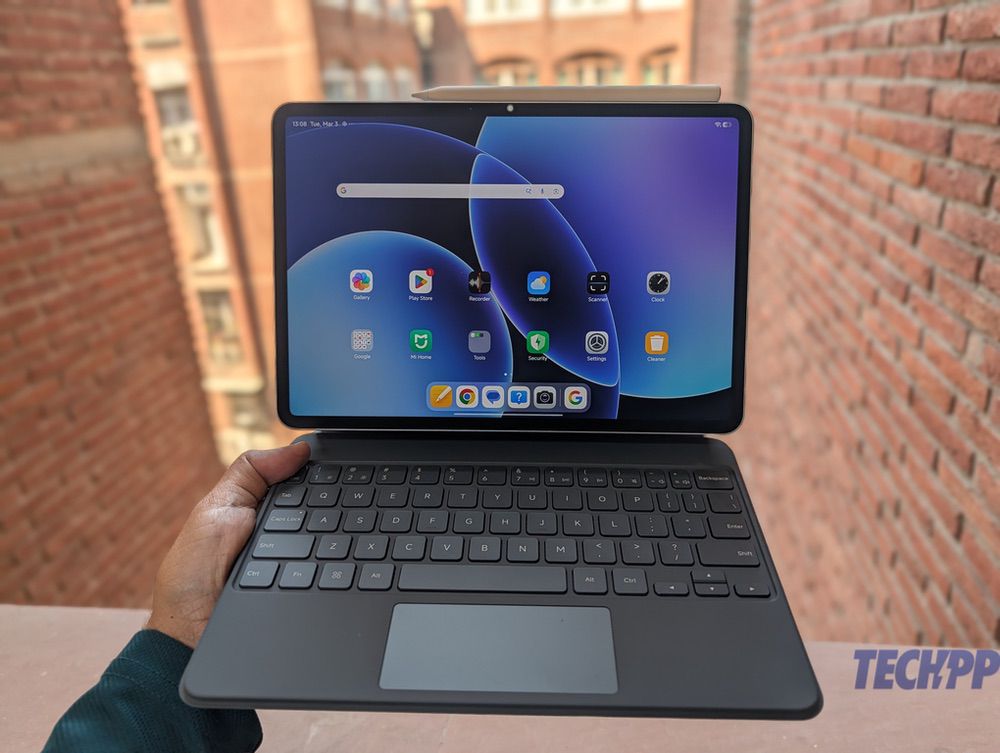
- Like the Pad 7, the Pad 8 also comes with keyboard cases, including a Magic Keyboard-like Focus Keyboard and a Focus Pen Pro stylus.
- Xiaomi claims that its accessories and versatility make the Pad 8 not just a great tablet, but actually a notebook alternative, and even the “future of computing.” That’s some hefty hype right there.
The Xiaomi Pad 8 is by definition a tablet. Xiaomi, however, says it is actually the future of computing and has compared it with notebooks, when paired with a keyboard and stylus accessory. Which means that the latest flagship tablet from Xiaomi has to not only deal with the ever-present challenge from the iPad, but also take on notebooks in its price range. Does it have what it takes to fight on these two fronts? Let’s find out.
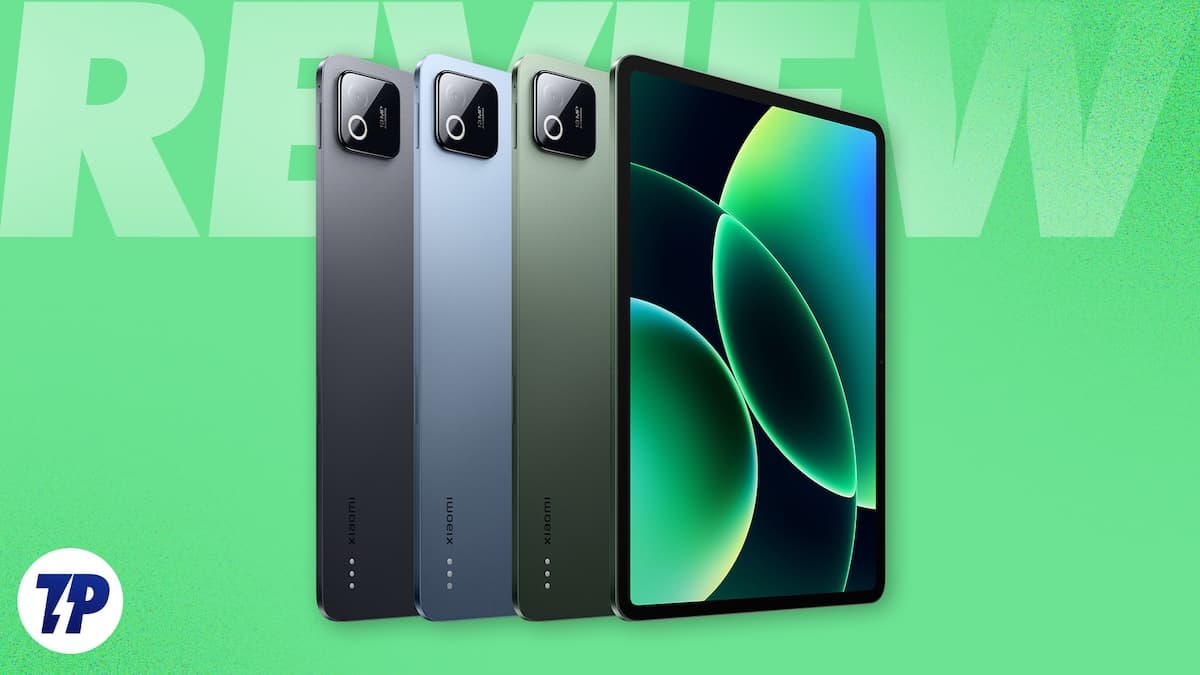
Table of Contents
Xiaomi Pad 8 Design and appearance: Similar, but sleeker than the Pad 7
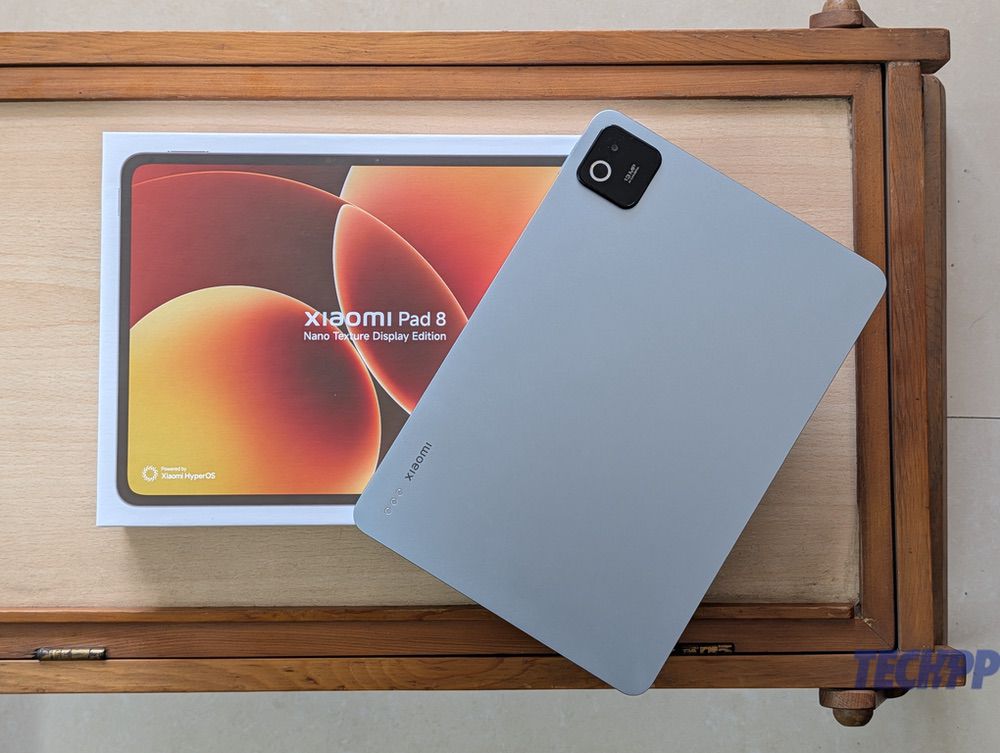
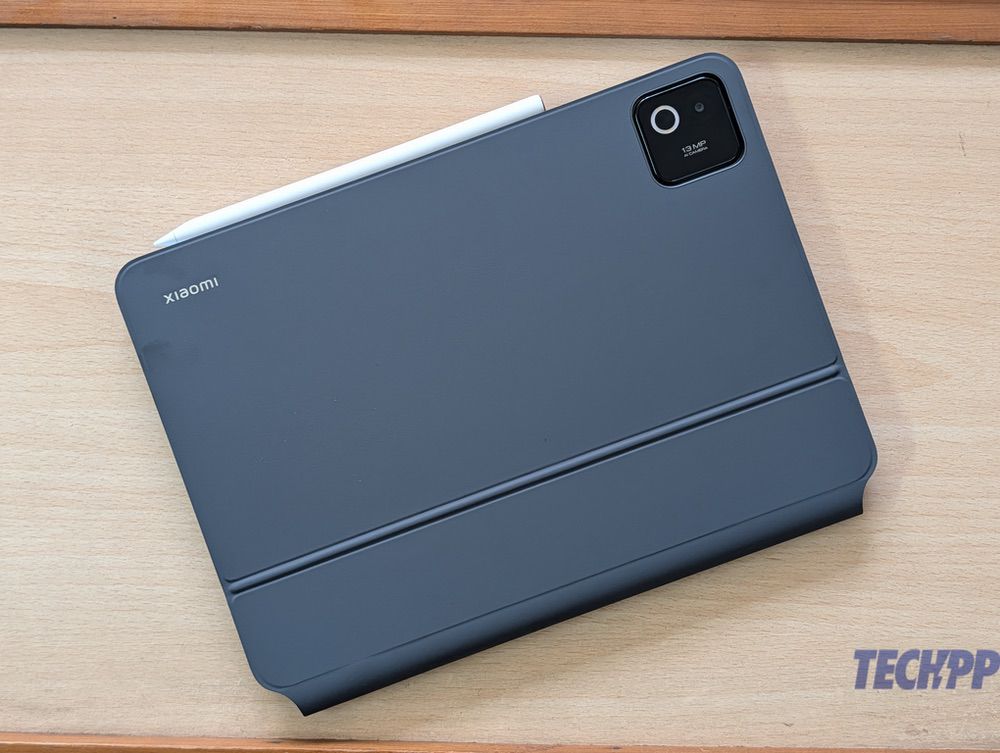
The Xiaomi Pad 8 is very similar in design to the Pad 7, and that is not a bad thing at all, as the Pad 7 was a very smart-looking tablet. There is the same glass front, fashionably straight aluminium sides, and the aluminium back. The only visible difference between the two tablets is actually in the camera unit, which remains square-shaped, but now has a flash in the shape of a white circle and a dark centre, instead of the white dot on the Pad 7. The Pad 8 is the same height (251.2 mm) and width (173.4 mm) as the Pad 7, but is slightly slimmer (5.75 mm as compared to 6.2 mm) and also slightly lighter at around 490 grams. It is slightly larger than an iPad (2025), but is significantly more compact and lighter than the OnePlus Pad Go 2 (266 mm tall). The tablet is available in two shades, Graphite Grey and Titanium Blue. We got the Graphite Grey variant, and it looked very smart, with the silver grey contrasting with the deep black of the camera unit.
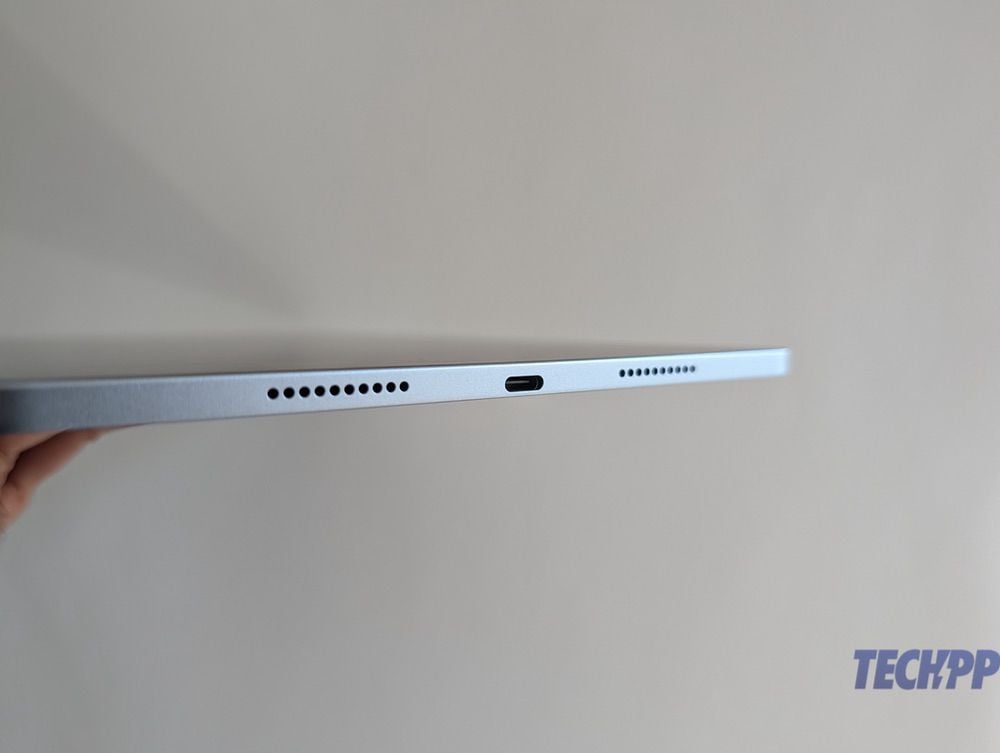
The front of the tablet is the display with thin bezels (by tablet standards), and a camera on the centre of the bezel on the right. We got the Nano Texture variant of the Pad 8, and the display has a very matte texture-like finish on it, which is different from the smooth glossy one that is quite common on other tablets. The right side contains the volume rocker and the charging area for the Xiaomi Focus Pen Pro. The base has the Type C port flanked by two speakers, while on top are two more speakers with Dolby Atmos branding, and also the power/display button. The left side is blank.
The Xiaomi Pad 8 is a very cleanly designed, elegant-looking tablet that is very easy to carry. The metal frame and back give it a premium feel. It is very smart, but it won’t turn heads, but then again, tablets rarely do (even iPads).
Xiaomi Pad 8 hardware and specs: Getting into the flagship zone
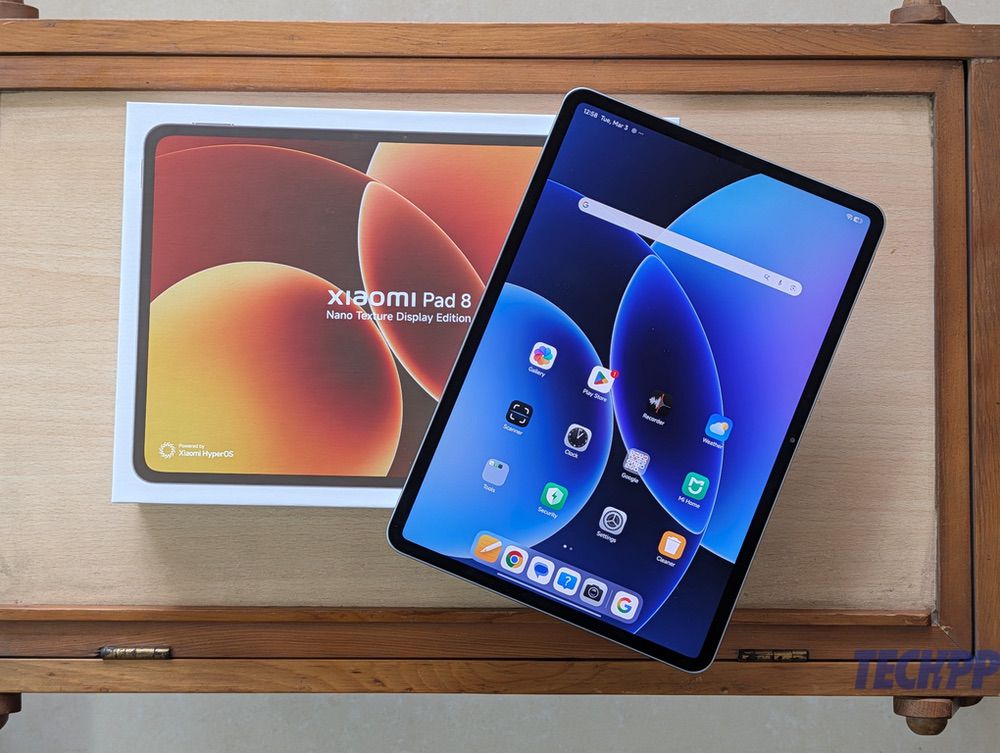
The biggest difference between the Xiaomi Pad 8 and the Pad 7 is in terms of hardware. While the Pad 7 was essentially a premium mid-segment tablet, the Pad 8 gets right into the flagship zone. The display remains an 11.2-inch one with a resolution of 3200 x 2136 (a 3.2K resolution) and a refresh rate of 144 Hz, as well as peak brightness of 800 nits. It is a 12-bit display with support for 68.7 billion colors as well as support for HDR10 and Dolby Vision. Our Nano Texture unit was designed to be very visible even in bright sunlight.
The big change, however, is in terms of processor – while the Pad 7 had been powered by the very good but still mid-segment Snapdragon 7+ Gen 3 chip, the Pad 8 runs on the much more powerful Snapdragon 8s Gen 4 chip. It is not the latest and greatest, but definitely a flagship-level chip. This is paired with RAM and storage variants of 8 GB/ 128 GB, 8 GB/ 256 GB, and 12 GB/ 256 GB. In what seems to be a cost-saving measure, the 8 GB/ 128 GB variant comes with LPDDR5X RAM and UFS 3.1 storage, while the others come with speedier LPDDR5T RAM and UFS 4.1 storage. The difference in performance between them is unlikely to be noticeable for most users.
The tablet comes with four speakers and support for Dolby Atmos. The rear camera is a 13 megapixel one, and the front-facing one is 8 megapixels. Connectivity options include Bluetooth 6.0 and Wi-Fi, but there is no 5G or 4G support. Even though it is slimmer and lighter, the Pad 8 remarkably packs in a bigger battery than the Pad 7 – a 9200 mAh one as compared to the 8850 mAh one on the Pad 7 – and comes with support for 45W charging and a 67W charger in the box. Running all this is Android 16 with HyperOS 3, with an assurance of four years of major OS updates and six years of security updates.
Like its predecessor, the Xiaomi Pad 8 comes with keyboard and stylus accessories, though these have to be purchased separately. All said and done, the Pad 8’s spec sheet might seem very similar to the Pad 7’s, but the processor puts it in a totally different category.
Xiaomi Pad 8 performance: Terrific as a tab, handy as a notebook
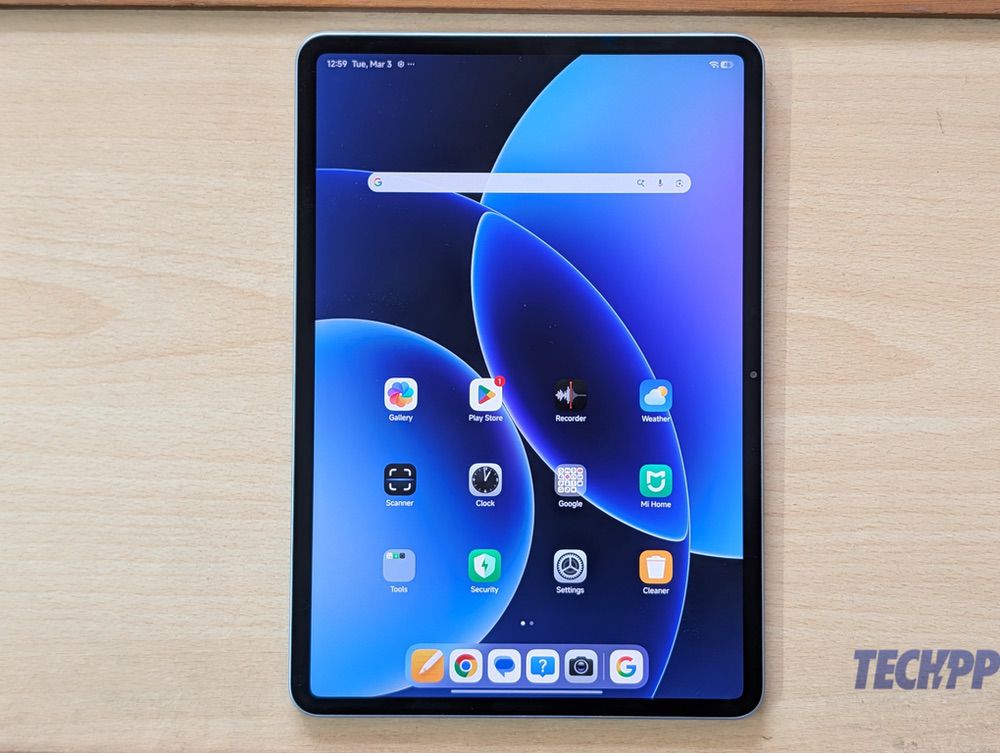
The more powerful processor takes Xiaomi right into close to flagship tablet territory in terms of performance. The Pad 7 had seemed like a premium device with a mid-segment soul. The Pad 8, however, is way more capable. The display is easily one of the best in the segment and is great for reading text as well as viewing videos and series. The speakers are exceptional and are perhaps the best we have heard apart from the iPad Air and iPad Pro, which make this the perfect tablet for those who want to view content on the move. Be it web browsing, social media doomscrolling (that 144 Hz refresh rate helps), or just reading books and reports, the Pad 8 rocks. We were also able to switch between apps easily and run more than half a dozen apps at the same time without any lag or slowdowns. The Nano Texture display is particularly good for viewing content even in bright sunlight – we could easily use the tablet even while sitting in the local park in the afternoon without needing to fiddle with brightness settings.
The display and speaker combination, along with the Snapdragon 8s Gen 4 chip, also makes the Pad 8 a very good budget gaming tablet. We had the 12 GB/ 256 GB variant and enjoyed some very good sessions of Asphalt and Call of Duty. Genshin Impact played smoothly after a few graphics tweaks and looked gorgeous. Some might find the display to be a little small compared to the likes of the OnePlus Pad Go 2 and Xiaomi’s own Redmi Pad 2 Pro, but on the flip side, it makes the tablet easier to carry and use. This is easily the best tablet you can get for multimedia and gaming on the move for its price.
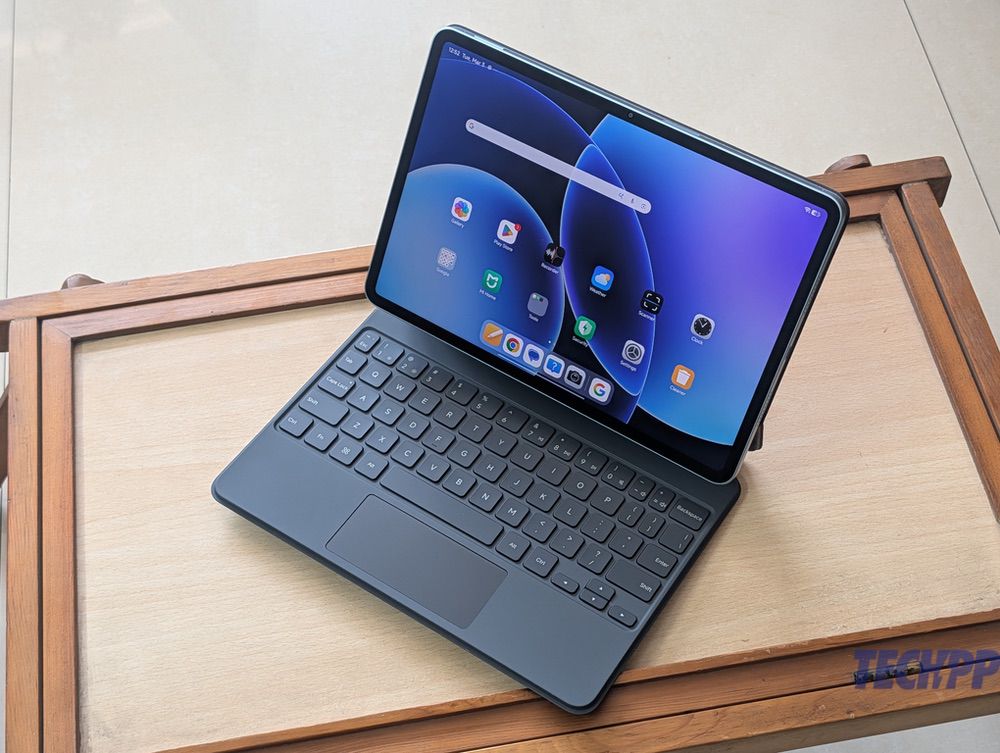
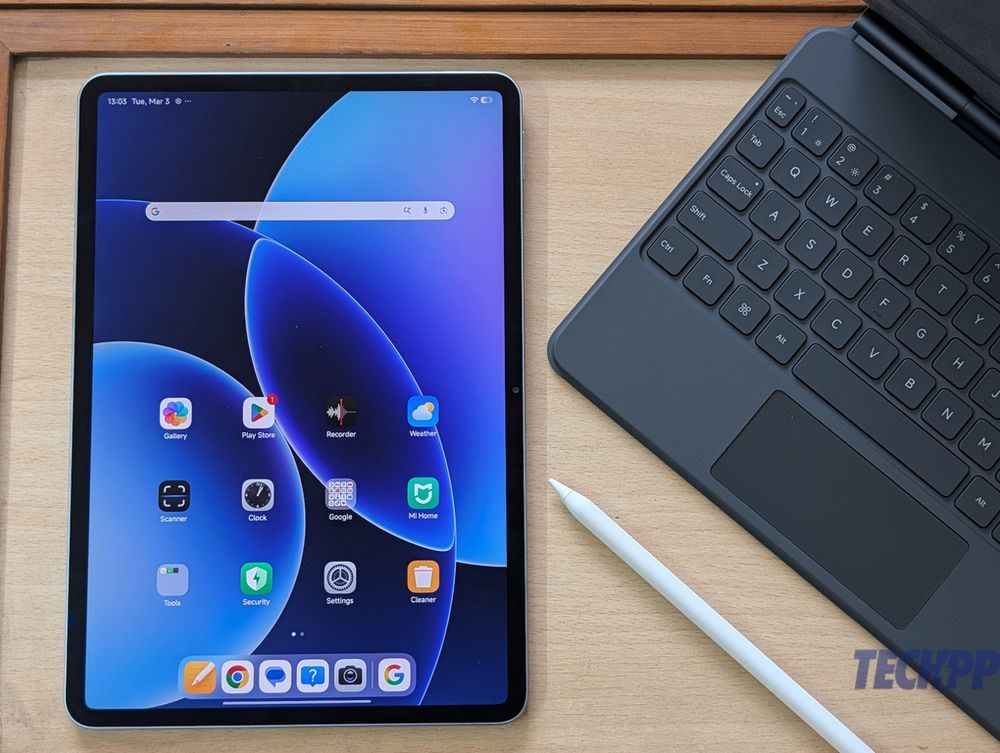
That display, however, also stops it from achieving its full potential as a notebook killer. The 11.2-inch display gets a little cramped when you use the Desktop Mode to view multiple apps or use split screen to view apps side by side. The Focus Keyboard’s keys and trackpad remain a little on the small side, but it still is one of the best Android tablet keyboards out there, simply because it allows us to type away while keeping the tablet on our lap and even adjust viewing angles – we could actually use it without needing a table! The Focus Pen Pro seems more sensitive than its predecessor, and is now buttonless – we could switch tasks and brushes with taps. It takes some getting used to, and we still wish it would stick more solidly to the side of the Pad 8, but like the Focus Keyboard, it too is among the best in its segment in terms of performance.
HyperOS 3 runs very smoothly on the Pad 8, and if one has a supported Xiaomi phone, one can connect it seamlessly with the tablet and move content to and from it. One can also connect the Pad 8 to a Mac or Windows device and extend your notebook or PC’s display. There are stacks of AI tools onboard, apart from Gemini and Circle to Search. We could easily compose documents, edit images, and videos on the tablet. Yes, this review was written on it.
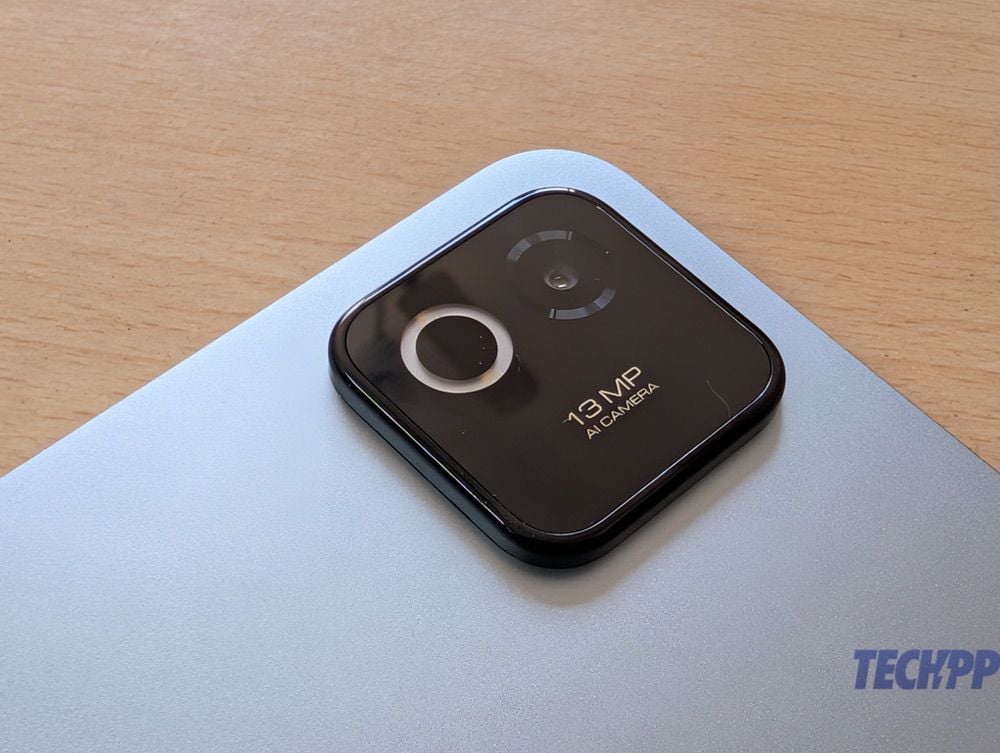
The rear camera is good enough for the odd snap and scan, while the front-facing camera is super for video calls. We did miss a fingerprint scanner, which we really think should be as regular a feature on tablets as it is on phones – face unlock does exist but is not very secure.
In tablet terms, the Pad 8 is a superb option and among the best in its segment. But as a notebook, well, that is another story, and we will be writing it shortly. As of now, we would say it is a handy, short-term alternative rather than a replacement.
Xiaomi Pad 8 Battery life and charging: Comfortably more than a day
The battery life on the Xiaomi Pad 8 is very impressive. We used the tablet as a notebook replacement for a few days, and found that the tablet easily got us through a dozen hours of regular usage, which generally involved writing, web and social media browsing, and 2-3 hours of videos. The 67W charger in the box (the tablet charges at 45W but Xiaomi has given us a larger charger, bless their generous souls) charges the tablet to about 50 per cent in half an hour, with a full charge taking about an hour and 15 minutes. Quite remarkably, the Focus Keyboard and Focus Pen Pro do not seem to drain the battery too much, even though both use the Pad 8’s battery! This is very good battery life, right in iPad territory.
Xiaomi Pad 8 Pricing: Extremely competitive with multiple variants
The Xiaomi Pad 8 is available in the following RAM and storage configurations at these prices:
- 8 GB/ 128 GB: Rs 33, 999
- 12 GB/ 256 GB: Rs 36,999
There is also a Nano Texture version,which is available only in a 12 GB/ 256 GB configuration for Rs 38,999.
The Focus Keyboard is priced at Rs 8,999, while a regular keyboard cover is available for Rs 4,999. The Focus Pen Pro retails at Rs 5,999.
Xiaomi has also launched a Special Creator’s Edition in which the 12 GB/ 256 GB Pad 8 is bundled with the Focus Pen Pro. This is available for Rs 41,999 for the regular Pad 8, and Rs 43,999 for the Nano Texture Pad 8.
In pure price terms, the Xiaomi Pad 8 is clearly more expensive than the Pad 7, which was available at Rs 27,999, but when one factors in the better processor, bigger battery, and of course, the rising prices of components, then the increase in price does not seem quite as steep, although it puts it right in the iPad zone. Thankfully, the prices of the keyboard and stylus have remained the same.
Xiaomi Pad 8 competition and Challengers: Of course, the iPad…and a few others
iPad (11th Gen): for the diehards
Rs 32,900 onwards
This remains the gold standard for many, mainly because of how smoothly iPadOS works. That said, its ecosystem is far more expensive, and the gap between it and its rivals is narrowing.
OnePlus Pad Go 2: for those wanting a bigger display
Rs 26,999 onwards
The 12.1-inch display of the OnePlus Pad Go 2 makes it a superb option for those who want a bigger display. There is a handy stylus too, but no keyboard, and well, the Dimensity 7300 Ultra driving the tablet is not in the same league as the Snapdragon 8s Gen 4.
Redmi Pad 2 Pro: for budget notebookish tablet seekers
Rs 24,999 onwards
Xiaomi’s recently released tablet is a great alternative for those on a tight budget and who just want a tablet for viewing and basic work. It has a super keyboard and a handy stylus too, but it has a slower chip and storage.
Xiaomi Pad 7: predator predecessor, if you don’t want high-end work and gaming
Rs 27,999 onwards
Love the Pad 8’s size and premium build, but finding it out of your budget? Its predecessor, the Pad 7, is still very good and has very similar accessories, although not in the same gaming and high-end work class.
Xiaomi Pad 8 review verdict: The flagship killer tablet
If what you are looking for is a terrific and not too big tablet, then the Xiaomi Pad 8 is perhaps your best option, especially if you can get the Nano Texture variant. It is elegantly designed, works smoothly, and can pretty much go toe to toe with the iPad. We loved the Pad 7, and the Pad 8 retains all that’s good in it, while adding a decent dollop of power to the mix. Its accessories are very good too, and make it a productivity powerhouse at its price. It can also step into notebook shoes and be an able sketching canvas and notepad, for not too much extra.
All of which make it a classic flagship killer. It delivers the sort of performance and accessories that one generally gets at a much higher price in other tablets. We would say it is the perfect tablet for those who want a flagship tablet experience, but do not want to go too far north of Rs 35,000.
Is it the future of computing? It doesn’t need to be. Because it sure is the present of ‘tablet-ing’ in its segment.
- Very good display
- Smooth operation.
- Superb multimedia and decent gaming
- Very good keyboard and pen
- Good battery life
- Display is a little small for a notebook
- Base variant has slightly slower RAM and storage
- No 5G variant
- No fingerprint scanner
| Looks & Appearance |
|
| Software |
|
| Performance |
|
| Accessories |
|
| Price |
|
|
SUMMARY
If you want a terrific, not-too-big tablet, the Xiaomi Pad 8 is a top pick, especially the Nano Texture variant. Smooth, elegant, powerful, with great accessories. A true flagship killer delivering near-flagship tablet experience around ₹35,000. |
4.1
|

