

In Summary
- Apple has surprised us with a new product category. Initially, we thought all the rumours and leaks were pointing to the new design of the iPhone SE 4. However, Apple announced the iPhone 16e, a new member of the iPhone 16 family.
- We still think it’s a new Apple product lineup rather than replacing the iPhone SE 4.
- If you are considering buying one, this guide will help you decide whether you should pick the iPhone 16e or its closest sibling, the iPhone 15, or get the iPhone 16 instead.
- We got our hands on the iPhone 16e, and here is everything that you need to know about the iPhone 16e and which is the best option for you.
We all thought the Apple iPhone SE 4 would be the next iPhone from Apple. However, at the last moment, Apple surprised us with the iPhone 16e, a more affordable option, a new member to the existing iPhone 16 series that may or may not be refreshed yearly.

Apple has introduced a new affordable option by discontinuing the iPhone SE2, catering to users seeking a budget-friendly iPhone without spending too much money. However, unlike the iPhone SE, which is an easy choice for someone looking to buy a compact and affordable iPhone, The iPhone 16e sits right below the iPhone 16 and its closest sibling, the iPhone 15.
Many users are confused about whether to purchase the new iPhone 16e, opt for an older iPhone model, stick with the iPhone 16e, or invest more in the standard iPhone 16.
We recently went hands-on with the latest iPhone 16e at the Mumbai event, and we spent a little time testing and comparing it against the iPhone 15 and putting it against the entire iPhone 16 lineup. We also answered many questions from users, including whether this smartphone is good enough for everyday use, how it differs from the iPhone 16, and whether the iPhone 16e feels like a budget iPhone or just a toned-down iPhone 16. You can check the guide for complete information about the iPhone 16e.
In this guide, let’s compare the iPhone 16e with its closest siblings, the iPhone 16 and iPhone 15, and decide which one you should choose. If you have been asking this question for yourself, spend some time, and you will be able to get this answer at the end of the post. So, without wasting your time, let’s get started.
Table of Contents
iPhone 16 vs. iPhone 16e vs. iPhone 15
Feature | iPhone 16 | iPhone 16e | iPhone 15 |
|---|---|---|---|
Dynamic Island | Yes | Notch | Yes |
Display | 6.1” OLED, 60Hz | 6.1” OLED, 60Hz | 6.1” OLED, 60Hz |
Resolution | 2556x1179 | 2532x1170 | 2556x1179 |
Brightness | 2000 nits peak | Lower brightness (not specified) | 2000 nits peak |
Chipset | with 5 GPU cores | A18 Bionic with 4 GPU Cores | A16 Bionic |
RAM | 6GB | 6GB | 6GB |
Cameras | 48MP + 12MP Ultra-Wide | 48MP (2x zoom) | 48MP + 12MP Ultra-Wide |
Front Camera | 12MP | 12MP | 12MP |
Battery Life | Up to 22 hours video | Up to 26 hours video | Up to 20 hours video |
Charging | USB-C, MagSafe | USB-C, No MagSafe | USB-C, MagSafe |
Wi-Fi & Connectivity | Wi-Fi 7 + C1 modem | Wi-Fi 6 + C1 modem | Wi-Fi 6 |
AI Features (Apple Intelligence) | Yes | Yes | No |
Charging Speeds | 30W (Wired) + 15W Wireless | 20W (Wired) + 7.5W Wireless | 20W (Wired) + 15W Wireless |
Water Resistance | IP68 | IP68 | IP68 |
Price (India/US) | ₹89,900+ ($799) | ₹69,900+ ($599) | ₹79,900+ ($699) |
Design and Build: iPhone 16e is Behind
All three iPhones can be easily distinguishable by looks from both the front and rear. While the iPhone 15 and iPhone 16 have a modern dynamic island on the front, the iPhone 16e comes with a Notch design with a full-screen design similar to other Apple iPhones without a home button. From the first impression, the iPhone 16e looks very similar to the iPhone 14; Apple used the same chassis to build this smartphone, so the bezels are noticeably thicker than the modern iPhone 16 family.

When you turn back on the rear, the iPhone 15 and 16 have a dual camera but a different camera module design. The iPhone 15 has a square bump, which features a dual lens and a flash inside the bump. The iPhone 16 has a vertical dual-lens camera setup similar to the iPhone X and a flash outside the camera bump. It looks more minimal and modern, in my opinion. However, on the other side, the iPhone 16e comes with a single-lens primary camera without any camera bumps.
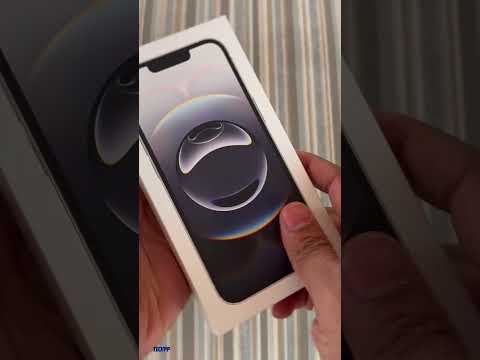
All three smartphones have similar dimensions, including height, length, and width. However, in terms of weight, the iPhone 16e is slightly lighter at 167g compared to 170g on the iPhone 16 and 171g on the iPhone 15. All the smartphones are IP68 protected.
The iPhone 15 features a traditional ring and silent switch found on older iPhones, which lets you toggle between the silent, sound, and vibrate modes using a clicky slider. The iPhone 16 and 16e replace the traditional silent switch with the action button, which you can remap to any function you want. Apple offers a whole set of functions specially designed for the action button, which lets you customize it to trigger shortcuts. The iPhone 16 also has extra camera control, which enables you to control the camera using the touch button in the right-hand corner.

In terms of quality and in-hand feel, since all these smartphones have similar dimensions and a glass back design and are protected with glass on the front and rear, all of them have a similar 6.1-inch display, making them compact to hold in hand.
The most significant drawback of the iPhone 16e is its lack of MagSafe support, which prevents the use of MagSafe accessories like battery packs for extended power, magnetic cases, or pouches designed for convenient card storage. Additionally, this omission leads to slower wireless charging speeds compared to other iPhone models that support MagSafe technology. However, you can use any third-party cases to get MagSafe support, which is good.
So overall, if you want a modern design, the best durability, a premium feel, MagSafe, and the Action Button, go for the iPhone 16. If you want good durability and MagSafe but no Action Button and a traditional silent switch, go for the iPhone 15. And finally, if you want an affordable option with no MagSafe support, go for the iPhone 16e. Here is the decision matrix, which considers various factors and which is best for design and build.
Display: Dynamic Island vs Notch Experience
The iPhone 16 and 15 lead in display quality and, in most cases, for outdoor usage, design, gaming, or even media consumption. First, the Dynamic Island looks modern on the iPhone 15 and 16. Apple smartly uses it to display live activities on Dynamic Island. I found it very useful for quickly accessing app functions and live data such as food delivery status, view timer, etc.

As expected, Apple has compromised with the iPhone 16e to cut costs. First, the iPhone 16e features a notch that feels outdated and serves no purpose beyond housing the Face ID sensor, closely resembling the design found on the iPhone 14 series.
Additionally, while the iPhone 16 and iPhone 15 boast a peak brightness of 2000 nits, the iPhone 16e is limited to 1600 nits. This reduced brightness could make the display less visible than the iPhone 16 and 15 under direct sunlight, potentially posing an issue for frequent outdoor use.
For media consumption, such as watching movies and HDR content, the iPhone 16 and iPhone 15 support a brightness of up to 1600 nits, while the iPhone 16e is capped at 1200 nits. Although this difference isn’t drastic, it becomes slightly noticeable when viewing peak HDR content, potentially impacting the overall experience.
Despite its launch in 2025, the iPhone 16e retains a 60Hz refresh rate, identical to the iPhone 16 and iPhone 15. As a result, users won’t notice any difference in smoothness while scrolling across these displays.
Apart from these differences, all three iPhones have a similar Super Retina XDR display, the same 6.1-inch compact OLED screen with flat sides, and True Tone technology. However, the iPhone 16 can also go as low as one unit in minimum brightness, which can be helpful for eye comfort during the night. We found no difference in display quality while using them in real life.
Performance: A18 Takes the Crown
The latest Apple A18 Bionic chip powers the iPhone 16 and 16e, whereas the three-year-old Apple A16 processor powers the iPhone 15.
The Apple A18 on the iPhone 16 and 16e significantly outperforms the A16 for full multitasking or gaming. The A18 beats the A16 in all major categories. Most importantly, the Apple A18 also supports Apple Intelligence features, bringing on-device AI capabilities for iPhone 16 and iPhone 16e. For comparison, here is the Nano review comparing both of these processors.
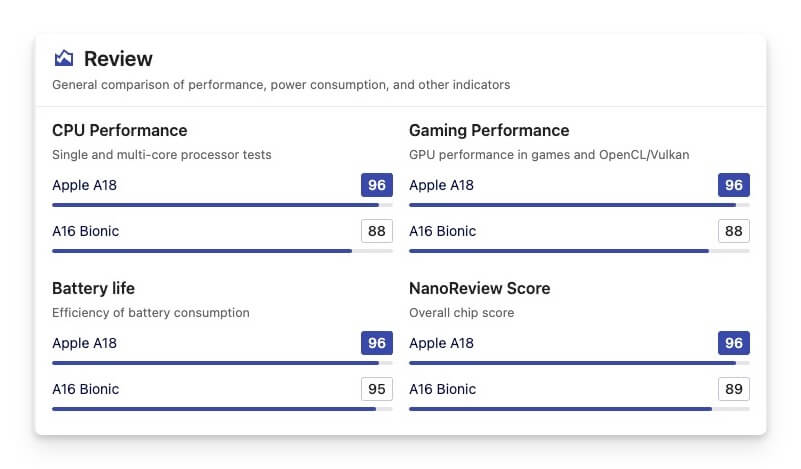
For everyday use, most users won’t notice a significant difference. However, A18 has its advances as faster processing and support for more software updates and Apple intelligence.
To reduce costs effectively, Apple equipped the iPhone 16e’s A18 chip with a 4-core GPU, compared to the 5-core GPU found in the iPhone 16. This difference results in slightly improved performance for GPU-intensive tasks and faster parallel processing on the iPhone 16, making it more capable for gaming. However, this resulted in better battery life on the iPhone 16e.
The iPhone 15 has 6GB of RAM in the base variant, whereas the iPhone 16 and iPhone 16 have 8GB of RAM to support Apple Intelligence. However, regarding the storage option, all three phones are available in three storage variants, starting from 128 GB in the base variant, 256 GB, and higher 512 GB.
The A16 on the iPhone 15 isn’t a bad processor; it has a similar architecture as the A18, but overall, it can handle daily tasks and supports AAA games such as PUBG, COD Mobile, or Genshin Impact. With the A18 processor, the Apple iPhone 16 and 16e are better picks for lasting longer with better software update support.
Overall, regarding performance, all three smartphones perform very similarly in real life; here are the benchmark scores of the iPhone 16 and iPhone 15. Surprisingly, the iPhone 16e beats the iPhone 16 in geek bench single-core performance.
| Device | Single-Core Score | Multi-Core Score | GPU (Metal) Score |
| iPhone 15 | 2,542 | 6,320 | 22,770 |
| iPhone 16 | 3,317 | 8,165 | 27,671 |
| iPhone 16e | 3,325 | 8,135 | Upcoming |
iPhone 16e vs. 16 vs. 15 Camera Comparison
We don’t have real-world camera results for the iPhone 16e yet. However, we have detailed camera comparisons of the iPhone 15 and 16 and the 16e in the dedicated environment during the event. iPhone 16e has a similar Fusion Primary camera with a smaller sensor and A18 processor as the iPhone 16, so we can expect a similar camera quality. Fusion camera is a fancy name Apple uses for pixel-binning image technology, which made this camera work as a telephoto lens since it was all done digitally. However, the photos look good but not on par with the iPhone 16.
Here are some samples taken from this smartphone, and as you can see, you won’t find any difference in the first look unless you look more closely and notice minute details in the processes.
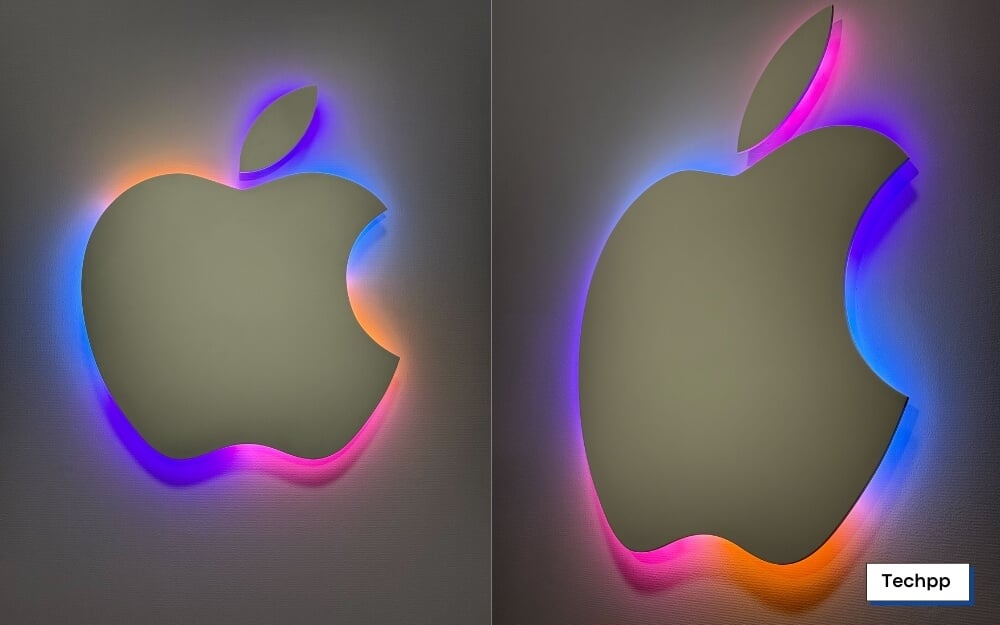


The front camera is very similar to all these smartphones with 12MP. In terms of performance, the front camera is very similar to the iPhone 15 and 16, and the same goes for the main camera.
iPhone 16 and 15 have an ultra-wide camera, which can be very useful for shooting landscape photos. You can also do macro-level photography using the ultra-wide camera, which you can miss if you purchase the iPhone 16e.
The iPhone 15 and 16e don’t come with a new camera control button found on the iPhone 16, which lets you switch to the different modes and adjust different parameters of the camera settings using scroll and controlling it with a capacitive touch screen.
In terms of video recording, all three iPhones can record in 4K Dolby Vision video recording at 24 fps using the primary camera and support up to 1080p Dolby Vision video recording at 25 fps, 30 fps, or 60 fps. However, due to the single-lens camera on the rear, the iPhone 16e doesn’t support the cinematic mode for recording videos.
Also, spatial and macro video recordings are only available on the iPhone 16. Thanks to the AI on-device intelligence, the wind noise reduction feature helps remove background noise in the video, and an audio mix lets you customize audio in the video directly from the Photos app, which is only available on the iPhone 16 and 16e.
Apart from these differences, all three iPhone’s camera and video recording capabilities are very similar, with good captures in daylight. iPhone 16 also has sensor-shift technology for better stabilization, whereas the iPhone 16e is limited to OIS. You will miss the ultra-wide video angle captured on the iPhone 16e. On the front, all three cameras can record up to 4K Dolby Vision video recording at 24 fps with limitations on Cinematic mode on the iPhone 16e.
Overall, if you want good daylight photos using the main camera and you don’t often use ultra-wide angle and macro camera, the iPhone 16e is a better option. However, the iPhone 15 and 16 have a better camera setup with an ultra-wide camera lens and include a telephoto lens.
iPhone 16 vs. iPhone 16e vs. iPhone 15 Software
In terms of software, all these smartphones run on the latest iOS 18. However, the iPhone 15, since it runs on a three-year-old processor, does not come with the Apple Intelligence features, meaning all of Apple’s most hyped AI features will not be available if you purchase the iPhone 15, even in the future.
Should you be worried? No, not at all. You can now get similar Apple Intelligence features, which are better than Apple Intelligence features using third-party apps. However, they are not as easy to access as Apple Intelligence, but they work if you want more. Moreover, Apple Intelligence is still in its early stages, and many features don’t meet our expectations, at least for now.
Another major drawback of the iPhone 15 compared to the iPhone 16 and 16e is that it may receive fewer software updates than the other two iPhones due to its older A16 processor. Apple iPhone 16 and 16e might support three years more software updates than the iPhone 15; three years is a massive number if you consider using the smartphone longer. If you purchase an iPhone 15, you won’t find any major difference for a few years. However, in the long run, Apple iPhone 16 and 16e are better choices.
Battery Life
Apple generally doesn’t disclose exact battery capacities of iPhones.. According to the data shared by Apple, the iPhone 16e lasts longer in video playback with 26 hours of video playback, followed by the iPhone 16 with 22 hours, and then the Apple iPhone 15 with 20 hours. This is due to the low-performance GPU and custom-built C1 modem on the iPhone 16e, which resulted in battery life.
However, there is a significant difference in the hardware of Apple iPhone 16e. It doesn’t support Apple’s popular wireless charging technology, MagSafe, which also results in slower wireless charging. It prevents you from using Apple wireless MagSafe accessories, such as MagSafe battery packs and other Apple accessories, to help you expand your capabilities. Since it doesn’t have MagSafe, the iPhone 16e only supports 7.5W wireless charging, whereas the iPhone 16 and 15 can support up to 15W wireless charging.
The iPhone 15 and 16e support up to 20W wired charging, while the iPhone 16 supports up to 30W for faster charging. All three smartphones will have a USB-C connector, so you don’t need a separate cable to charge your iPhone.
The iPhone 16e Misses Out on Apple Ultra Wide Band Support
Apple’s cost-cutting measures for the iPhone 16e notably exclude ultra-wideband (UWB) chip support. The iPhone 16 and 15 are equipped with a second-generation Ultra Wideband chip; the iPhone 16e lacks this feature entirely. Since the iPhone 11, Apple has included dedicated U-series processors for precision tracking using the Find My feature and AirTags. It also supports Apple Car Key, which allows you to unlock compatible vehicles that support UWB.
Apple C1 Is Not As Powerful as the Qualcomm X5G Modem
After years of dealing with issues, Apple has finally entered its custom-built C1 network chip, a 5G modem for iPhones. iPhone 16e is the first iPhone to feature the Apple C1 processor. However, it comes with limitations. Unlike Qualcomm, the Apple C1 only supports sub-6 GHz, but not the faster mmWave, which can be handy in heavily crowded areas such as concerts and stadiums. Also, the iPhone 16e only supports the Wi-Fi 6 protocol instead of the latest model on the Wi-Fi 7 or even 6E.
So overall, those are the biggest differences between the iPhone 16, iPhone 16e, and the iPhone 15. If you are confused about which one to pick, the iPhone 16 is a better choice if you want an overall decent smartphone. If you don’t care about the cameras and don’t want MagSafe support, the iPhone 16e is the best option. If you want MagSafe and dual cameras at an affordable price, then the iPhone 15 is the best option. However, we recommend the iPhone 16 if you want to use the smartphone in the long run. So overall, our pick is iPhone 16>iPhone 16e> iPhone 15.
So, if you are getting the iPhone 16e, you will miss
- Modern dynamic island design.
- You are limited to black and white color variants. Apple may introduce new color options in the future.
- The camera control button is found on the iPhone 16.
- Fun color options on the iPhone 16.
- There is no ultra-wide camera and macro photography.
- Cinematic and Action video shooting modes in the video recording
- You will miss the latest portrait modes and different photographic styles.
- Although you can get it with an external case, MagSafe has slower wired and wireless charging speeds than the iPhone 16.
- WiFi 7 and mmWave support for faster downloading in crowded areas.
- U2 chip for precision tracking if you use AirTag and Apple Car Key.
- No support for mmWave yet.
- The iPhone 16e starts at $599 in the US and 69,900 in India
If you are getting an iPhone 15, you will miss
- Powerful A18 processor.
- No Apple intelligence support.
- Fewer software updates compared to iPhone 16e.
- There is no camera control or action button.
- The overall performance is slower compared to the iPhone 16, which significantly impacts if you want to use this device for longer.
- You have to spend $699 or Rs 79,900/-.
So, finally, here is the decision matrix to help you decide which one is right for you
Who You Are | iPhone 16 | iPhone 16E | iPhone 15 |
|---|---|---|---|
If you want the fastest iPhone with AI features | Best choice with latest A18 processor | Offer similar performance with less GPU | older chip, still usable but not as powerful as A18 |
If use phone for calls, social media, and battery life | Good but costs more | Best choice, longest battery, lowest price | Good but older chip, weaker battery |
If you want best camera for photos and video | Best camera, ultra-wide, Cinematic mode | No ultra-wide, no Cinematic mode | Good camera, has ultra-wide |
If you P\play games and multitask a lot | Fastest graphics, best for gaming | Alos great for gaming | Decent |
If you travel often and need a good battery | New modem, bright display, good battery | Best battery | Older modem, stable signal, MagSafe for attaching accessories |
If you want an affordable iPhone | Expensive of all three | Best budget choice | Decent price, better than 16E in some areas |
If you use MagSafe accessories | Full MagSafe support | No MagSafe | Full MagSafe support |
If you want a phone that lasts for years | Best for long-term use | Decent but you will miss few modern features such as Magsafe, dual cameras and more | Older chip, not ideal pick for long run |

